
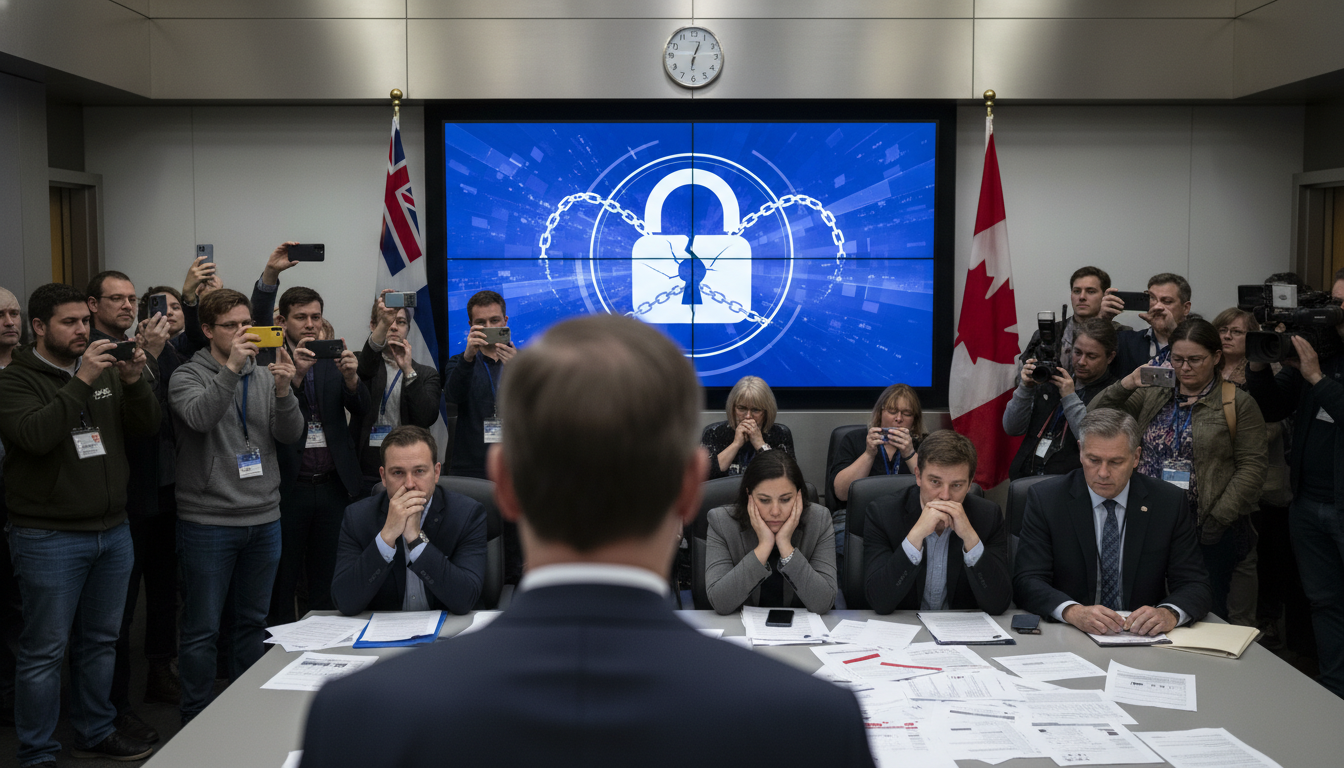
Centurion Project voter list leak sparks safety fears among Albertans
Alberta residents contacted offices after a Centurion Project voter list leak exposed names, addresses and elector numbers, raising concerns about doxxing and intimidation.
A surge of more than 400 emails and phone calls reached McLeod’s constituency office after a version of a voter list linked to the Centurion Project was made public. The Centurion Project, led by Take Back Alberta founder David Parker, published a dataset that mirrored material reportedly shared with the Republican Party of Alberta. Residents who contacted the office described feeling unsafe and uncertain about how their personal information might be used.
Alberta office logs waves of public concern
McLeod told reporters that her staff logged over 400 contacts from constituents worried about their safety and privacy following the publication of the list. Many callers and emailers urged immediate action and asked what protections were available to those whose information had been exposed.
Staff described a mix of fear and anger among residents, with several requesting guidance on whether to change phone numbers or report threats to police. The volume of correspondence prompted the office to compile concerns and seek clarity on how the information was obtained and shared.
Details of the exposed data
The published list included full names, mailing addresses, postal codes, telephone numbers and unique elector-identified numbers. Those elector-identified numbers are assigned to individuals on voter registers and can be used to reference electoral records.
Observers noted that combining contact details with elector identifiers increases the sensitivity of the disclosure. The presence of phone numbers and residential addresses raised immediate concerns about potential harassment, targeted intimidation or identity misuse.
Groups connected to the distribution
The list was reportedly provided to the Republican Party of Alberta before a version was published by the Centurion Project. The Centurion Project is a separatist group led by David Parker, who is also known as the founder of Take Back Alberta. The apparent chain of custody and motives for disclosure remain questions authorities and political actors may examine.
Both the Republican Party of Alberta and the Centurion Project have faced scrutiny in recent months over their public activities, although neither group has been formally charged in relation to this publication. Officials and party representatives have yet to outline a full accounting of how the dataset circulated between organizations.
Privacy and security risks identified
Privacy advocates say that pairing personally identifiable information with elector identifiers amplifies the danger of misuse. Published contact details can enable doxxing, targeted threats or scams that exploit the trust placed in electoral systems.
Security specialists caution that even absent direct criminal intent, broad dissemination of such data can have chilling effects on civic participation. Individuals who feel threatened may withdraw from public life or hesitate to engage in political processes, undermining democratic participation.
Possible investigations and oversight paths
The leak could prompt reviews by provincial privacy authorities, Elections Alberta, and law enforcement depending on the outcome of preliminary inquiries. Privacy commissioners typically examine whether organizations or individuals breached provincial privacy laws or mishandled personal data.
Elections Alberta enforces rules around electoral records and their use, and the province’s privacy regulator oversees the protection of personal information held by public bodies and private actors. Any formal complaint or referral would set in motion processes to determine responsibility and potential sanctions.
Political fallout and election implications
The revelation adds a new fault line to debates over political organizing and transparency ahead of future electoral events in Alberta. Parties and civic groups may confront increased pressure to demonstrate secure handling of voter information and to clarify protocols for sharing data among affiliates.
Campaigns that rely on voter lists for outreach will face heightened scrutiny over consent practices and data security. The episode may also prompt lawmakers to consider stricter controls on the circulation of elector identifiers and other sensitive data.
The publication and subsequent public alarm underscore a broader tension between political mobilization and the need to protect personal data. As authorities and affected residents seek clarity, the immediate priority for many is straightforward: reassurance that steps will be taken to investigate the leak and to prevent further dissemination of identifying information.
