
CAQ school investments targeted to party ridings, Québec Solidaire report alleges
Québec Solidaire report says CAQ school investments skewed toward party-held ridings since 2018, sparking denials from government and calls from the opposition.
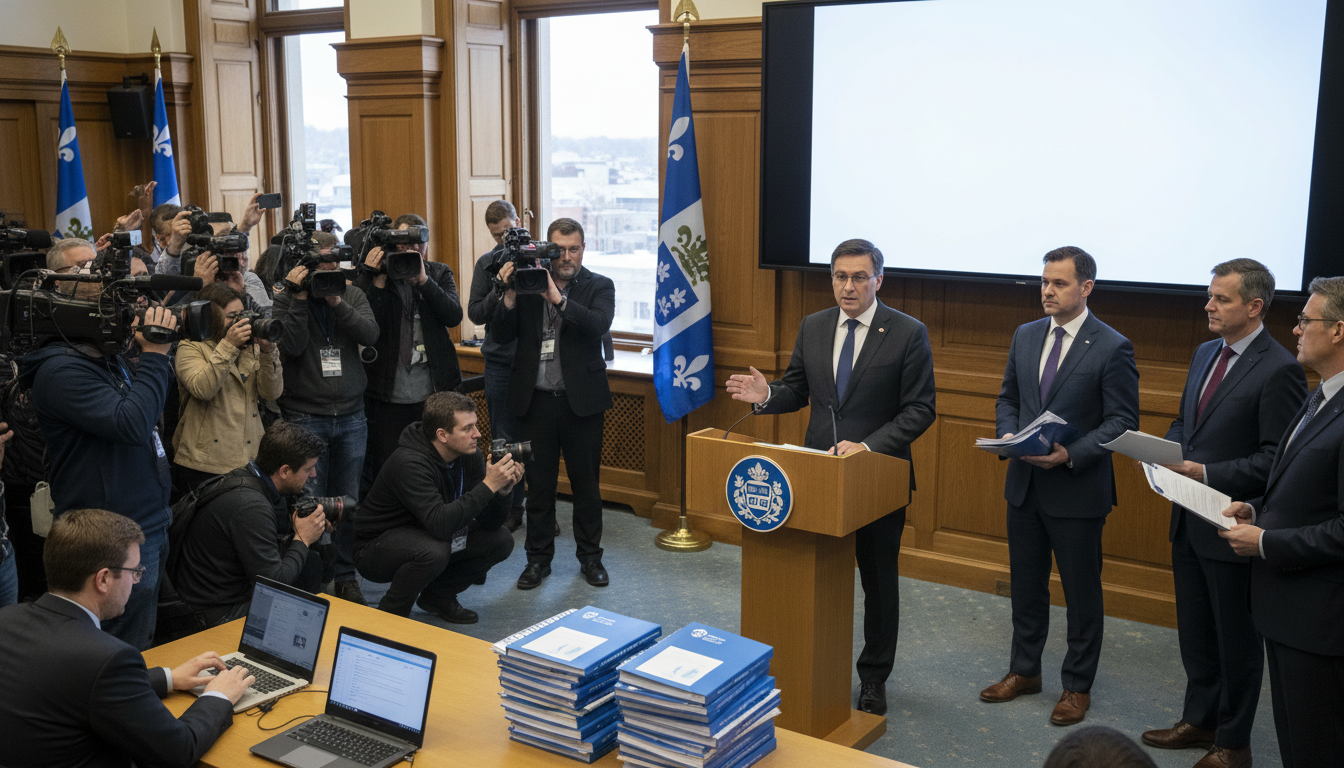
A 24-page report by Québec Solidaire argues that CAQ school investments have disproportionately favoured constituencies held by the governing Coalition Avenir Québec since 2018. The study, presented at the National Assembly by education critic Gabriel Nadeau-Dubois, examined projects and spending recorded in the provincial Plan québécois des infrastructures. The report finds an early surge in capital commitments during the CAQ’s first mandate and concludes the pattern reflects a political, not purely needs-based, distribution of funds.
Report’s central finding and scope
The report, titled Le bon parti, les belles écoles?, aggregates school construction and renovation projects listed in the PQI and other public records between 2018 and the present. Its central claim is that, on a per-constituency basis, CAQ-held ridings received more projects and larger shares of spending than their share of the provincial electorate would suggest. The analysis highlights that roughly three-quarters of recorded education investments in the PQI were announced in 2019 and 2020, early in the CAQ’s first mandate.
Statistical patterns and methodology
Authors of the study compared the number and value of projects across electoral districts and adjusted for factors such as enrolment growth and facility age. They report that schools in CAQ constituencies tend to be newer and in better condition on average, yet these same constituencies received a higher concentration of projects. The report asserts that the distribution of projects is not proportionate to indicators of need and that timing appears linked to electoral cycles.
Montreal and regions with unmet needs
The report draws particular attention to Montréal, where the CAQ has fewer seats, and where it says many schools remain in poor condition with delayed repairs. Québec Solidaire argues that calls for investment from Montreal boards and community groups have not translated into the same level of capital projects as in CAQ-held regions. The study frames this as an equity gap between urban centres with entrenched infrastructure deficits and suburban or regional ridings that received early investment.
Government response and defence
The cabinet of Education Minister Sonia LeBel rejected the implication that project selection was partisan, saying infrastructure decisions are made on the basis of student needs and objective criteria. The ministry pointed to demographic pressures — including an estimated 100,000 additional students since 2018 — and noted that the PQI was expanded from $9 billion to $23.5 billion to address rising demand. Officials also stressed fiscal constraints and the need to balance new builds with asset maintenance and repairs.
Political timing and ‘ribbon-cutting’ concerns
Gabriel Nadeau-Dubois framed the pattern as consistent with what he called “ribbon-cutting politics,” an approach where governments front-load high-visibility investment announcements to create opportunities for inaugurations later in the mandate. The report suggests the bulk of announced education investments in 2019–2020 served that political objective rather than reflecting a steady, needs-driven capital plan. Analysts quoted in the report warn that front-loaded cycles can leave gaps later in mandates and distort long-term planning for school boards.
Implications for accountability and oversight
Québec Solidaire is calling for greater transparency in how school infrastructure projects are prioritized and for clearer criteria linking investments to independent assessments of need. The party argues that Ottawa-style or provincial audit oversight could help ensure that infrastructure dollars follow deficits in building condition and enrolment pressures rather than electoral geography. Opposition members say enhanced reporting, real-time project tracking and independent audits would restore public confidence in the PQI process.
Québec’s education sector faces competing pressures: rapidly rising student populations, aging facilities in some urban centres, and renewed capital commitments announced early in the current decade. The controversy over CAQ school investments is likely to intensify scrutiny of provincial infrastructure governance and could become a focal point in constituency-level debates ahead of future elections.
Gabriel Nadeau-Dubois, who served as Québec Solidaire’s male spokesperson on education from 2017 to 2025 and who stepped down from party leadership roles last year, remains the party’s education critic for the remainder of his legislative term. He told reporters the report is intended to prompt a public conversation about fairness in the allocation of school funding and to press the government for enforceable, transparent prioritization rules.
The government maintains that investment choices respond to objective criteria and fiscal realities, while Québec Solidaire urges independent review and a rebalancing of projects toward regions and schools with the most acute needs. The debate underscores the challenges of aligning political timetables with long-term infrastructure planning for Québec’s public school system.
