
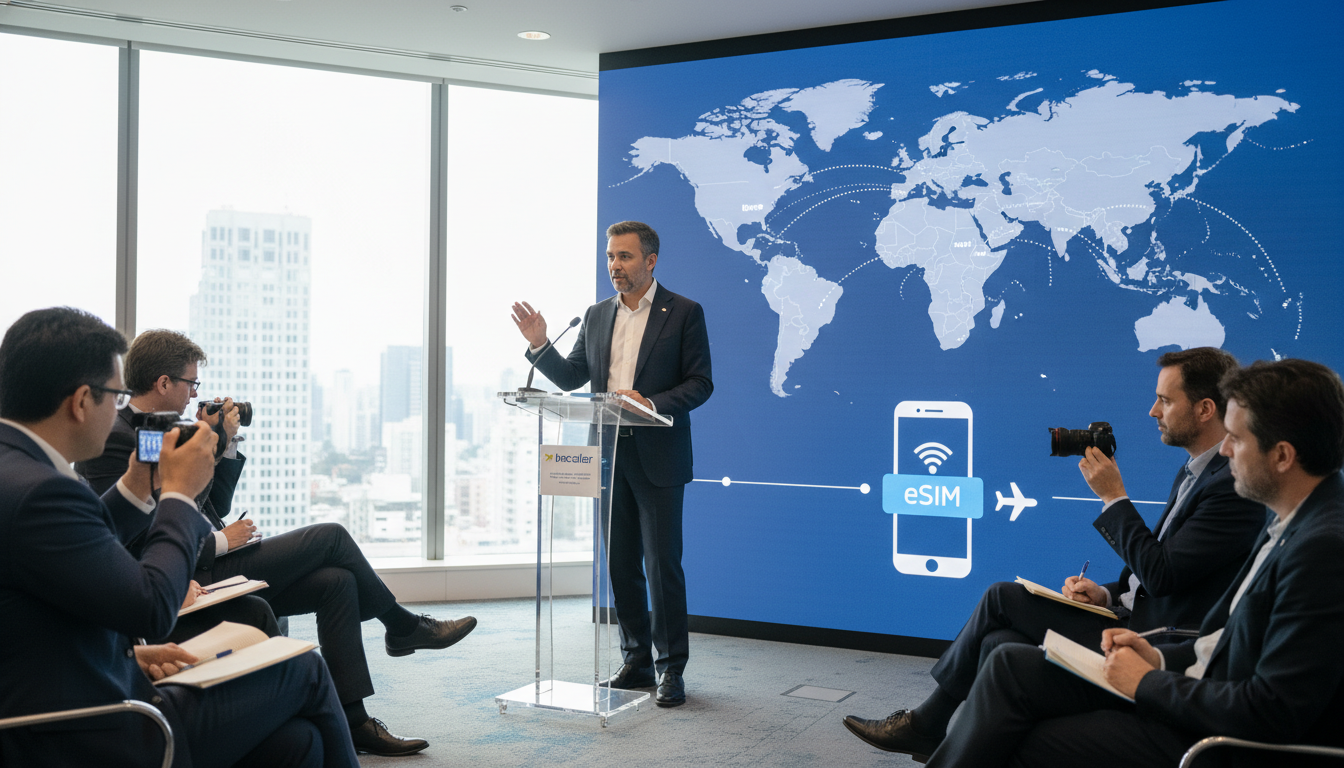
Truecaller launches travel eSIM in 29 countries as it pivots from ad revenue
Truecaller launches travel eSIM in 29 countries, with 1 GB/7-day to 20 GB/30-day plans as it pivots toward subscription revenue amid falling global ad sales.
Truecaller has begun offering a travel eSIM product inside its app, marking a significant move into connectivity services as the company seeks new revenue streams. The Truecaller eSIM rollout introduces short-term data packs aimed at travelers, with plans designed to suit brief trips and longer stays. The launch is part of a broader strategy to diversify beyond advertising as the firm shifts emphasis to subscription-based offerings.
Service packages and pricing range
Truecaller’s eSIM offering starts with entry-level plans and scales up to higher data allotments tailored to different trip lengths. The company said packages will range from a minimal 1 GB over seven days to a larger 20 GB valid for 30 days. Pricing details vary by market and will be available inside the Truecaller app at the time of purchase.
Truecaller positions these bundles to appeal to tourists, business travelers, and users who prefer buying local or short-term data without swapping physical SIMs. The app-based purchase model removes the need for carrier visits and aims to speed up connectivity for visitors on arrival.
Available markets and India’s exclusion
The initial rollout will cover 29 countries across Europe, North America, Oceania, Africa, Asia and South America. Markets named by the company include major European destinations such as Italy, France, Germany, Spain and the Netherlands, together with the United States, the United Kingdom, Canada, Australia, New Zealand, Switzerland and a selection of emerging markets. The broad geographic spread is intended to capture peak travel corridors.
Notably absent from the launch list is India, Truecaller’s largest market by users. Regulatory constraints in India have previously led authorities to restrict some eSIM apps over concerns about misuse, and those policy hurdles appear to have influenced Truecaller’s decision to delay entry there for the initial phase.
Technical partners and platform operations
Truecaller said it will operate the eSIM service in partnership with established connectivity providers rather than building a network from scratch. The company named global cellular connectivity operator Telna and telecom software provider Telness Tech as technical partners to run the eSIM platform and backend. Those collaborations are designed to provide roaming agreements and provisioning capabilities that allow users to download and activate eSIM profiles remotely.
By relying on third-party infrastructure, Truecaller can focus on distribution, pricing and customer experience inside its app while delegating network management and regulatory compliance to specialist vendors. The approach follows industry practice among consumer-facing eSIM resellers.
Distribution edge from existing user base
A central argument behind Truecaller’s push into eSIM is distribution: the app claims more than 500 million monthly users, a scale the company says will accelerate customer acquisition. Truecaller executives emphasized that offering eSIM through an app people already use for caller identification and spam blocking changes the calculus compared with newer entrants that must build audiences from zero.
That reach could allow bundled offers, cross-promotions and simpler checkout flows that reduce acquisition costs. Analysts see the move as an attempt to monetize established user relationships by converting free app usage into paid subscriptions and one-time purchases.
Financial backdrop and strategic pivot
The eSIM launch arrives at a sensitive moment for Truecaller, which has reported declining ad revenue and taken steps to tighten costs. In recent quarterly results the company recorded a double-digit drop in net sales and steeper declines in advertising receipts, and it announced staff reductions across teams. Management has signaled a shift toward growing subscription and services revenue, rolling out features such as AI-driven call assistance and family protection tools in recent months.
Executives say new services like eSIM sales can create diversified income that is less volatile than advertising. The timing suggests Truecaller is aiming to accelerate monetization of its installed base while investors and markets continue to watch revenue mix and margins.
Market context and investor interest in eSIMs
The eSIM market has drawn growing attention from both startups and investors as device support and travel demand rise. Several specialist eSIM providers have expanded or raised capital in the past year, underscoring investor appetite for travel-focused connectivity. Competition in the reseller space includes established apps that sell regional and global data bundles, meaning Truecaller will face pricing and product choices that shape consumer uptake.
Industry observers say scale and customer trust are major differentiators, and that entrants with broad distribution can move quickly if they pair competitive pricing with reliable network partners. For Truecaller, the success of the eSIM push will hinge on conversion rates, pricing strategy and the company’s ability to integrate the service smoothly into its existing user flows.
Truecaller’s eSIM debut marks a notable extension of the app’s product set and a clearer turn toward revenue diversity, with short-term data plans now an option for travelers in nearly 30 countries. The coming months will test whether the company can translate reach into recurring revenue while navigating regulatory and competitive challenges in the global eSIM market.
