
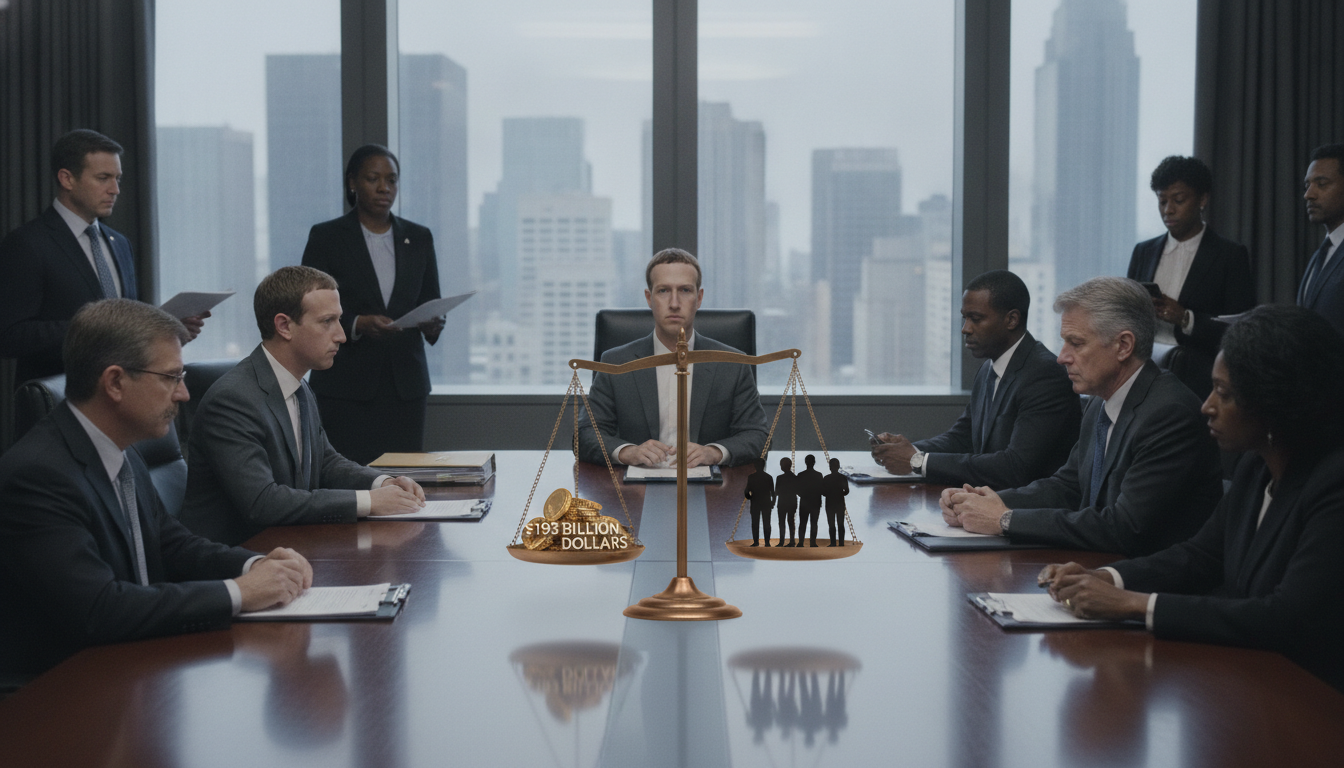
Meta lawsuit: States seek about $193 billion, accusing Facebook and Instagram of addicting minors
U.S. states have filed a Meta lawsuit seeking roughly $193 billion, alleging Facebook and Instagram were engineered to addict minors and harm their privacy and safety.
Opening summary
The Meta lawsuit filed by a coalition of states will go before a federal jury in Oakland, with opening arguments scheduled for August 18, 2026.
Prosecutors say the social network’s products intentionally encouraged addictive use by children and violated state protections for minors, while Meta rejects those claims and says its platforms promote safety.
The monetary demand has been a focal point of pretrial disputes after Meta highlighted a theoretical $1.4 trillion figure based on statutory multipliers.
States outline financial claim
Prosecutors have signalled they will seek about $193 billion in penalties rather than the extreme $1.4 trillion total that Meta raised in court filings.
Meta’s $1.4 trillion figure was calculated by multiplying per-user statutory ceilings across all alleged violations, a method the company argued could produce an unprecedented judgment.
State attorneys counter that the $193 billion estimate better reflects their assessment of harm and the scale of alleged violations, though they have not finalized their precise damages theory publicly.
Allegations of product design targeting minors
The lawsuit contends Facebook and Instagram incorporated features intended to increase time spent on the platforms among underage users.
Plaintiffs say algorithmic recommendations, notification mechanics and other design choices amplified engagement in ways that disproportionately affected children’s well‑being.
Those assertions form the core of the states’ claims under consumer protection and child-safety statutes dating back to a 2023 complaint filed by roughly 30 states.
Whistleblower testimony cleared to proceed
A former Meta engineer who has testified previously before Congress and in other cases will appear as a witness despite the company’s request to bar him.
Judge Yvonne Gonzalez Rogers ruled the whistleblower may testify, rejecting Meta’s bid to exclude him from the proceedings.
Prosecutors said they will question the engineer for about three hours about internal practices related to youth safety and user growth, and that his testimony is central to establishing company intent.
Trial logistics and jury process
A small advisory panel of citizens has been selected in the courtroom as part of jury preparations, and a six‑week trial schedule has been set in federal court in Oakland.
Opening statements are expected to start August 18, with testimony and evidence presentations continuing through late September 2026.
The judge will preside over evidentiary rulings, with a jury ultimately deciding liability and damages under the states’ legal theories.
Meta’s response and corporate stakes
Meta has denied the allegations and said it will present evidence of ongoing efforts to protect younger users and limit harmful experiences.
Beyond potential monetary penalties, the company faces the prospect of court orders that could force changes to Facebook and Instagram’s features and business practices if the states prevail.
Mark Zuckerberg is expected to appear as a witness, underscoring the high-profile nature of the case and the potential operational consequences for Meta’s global platforms.
Scale of the company and broader implications
Meta operates a suite of services used by approximately 3.6 billion people worldwide, a scale prosecutors say magnifies the public‑policy stakes of the trial.
A decisive ruling for the states could influence how social platforms design algorithms and safety measures, while a verdict for Meta could constrain aggressive regulatory remedies.
Legal experts note the case is likely to be appealed regardless of outcome, meaning any final resolution could take years to reach judicial closure.
The Meta lawsuit in Oakland will test competing views about technology, youth safety and corporate responsibility, and its outcome could shape policy and product decisions across the social media industry in the years ahead.
