
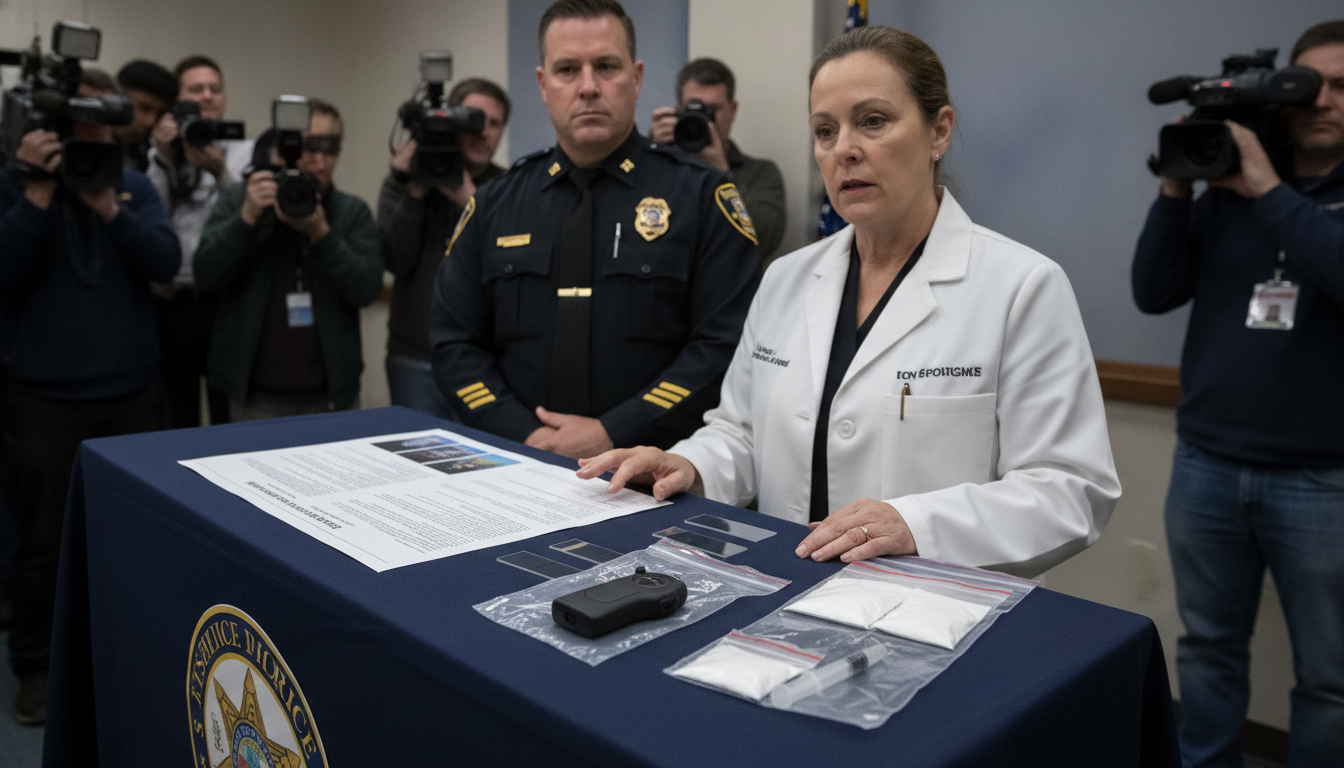
Pathologist: Cause of death ruled cardiorespiratory arrest from hyperactive delirium and cocaine; CEW and handcuffing not contributing
Pathologist report finds cause of death was cardiorespiratory arrest due to hyperactive delirium and cocaine; CEW and handcuffing were not factors, report says.
The pathologist concluded the cause of death was cardiorespiratory arrest attributed to hyperactive delirium and the physiological effects of cocaine, according to a written report. The report specifically examined whether a controlled energy weapon and the application of handcuffs by officers contributed to the death and found they did not.
Pathologist’s determination
The medical examiner identified an agitated, hyperactive delirium as a central factor in the sequence leading to cardiorespiratory arrest. Toxicological findings pointing to recent cocaine use were cited as worsening the delirious state and placing extreme strain on heart and lung function.
The report noted investigators looked closely at elements of restraint and use-of-force as potential contributors. The pathologist’s analysis concluded those restraint measures did not play a causal role in the fatal outcome.
Controlled energy weapon and restraints examined
An explicit portion of the report addressed the presence and potential effects of a controlled energy weapon, commonly known as a CEW, and of handcuffing. The pathologist evaluated whether electrical discharge or positional restraint could have precipitated the arrest.
After reviewing the medical and scene evidence, the examiner determined neither the CEW deployment nor the application of handcuffs materially contributed to the cause of death. The report framed those findings within the broader physiological disturbances identified at autopsy.
Toxicology and hyperactive delirium
Medical examiners say stimulant intoxication can trigger hyperactive delirium, a severe psychiatric and physiological state marked by extreme agitation and disorientation. In such states, elevated heart rate, blood pressure and metabolic demand increase the risk of cardiac events.
The pathologist linked cocaine’s stimulant effects to the agitation observed and to the cascade of changes that culminated in cardiorespiratory failure. While toxicology does not always indicate intent or timing, the presence of cocaine was presented as a significant factor in the death determination.
Medical mechanism of cardiorespiratory arrest
Cardiorespiratory arrest describes the simultaneous failure of heart and lung function, and can result from a combination of cardiac arrhythmia and respiratory compromise. The report describes how severe agitation and stimulant-induced physiological stress can precipitate that outcome.
The examiner’s findings emphasized medical causation over procedural factors, indicating the internal responses associated with hyperactive delirium and stimulant exposure were sufficient to explain the fatal collapse. This medical framing guided the ultimate classification of the cause of death.
Implications for ongoing reviews and public concern
Findings that exclude restraint methods as causal factors may shape subsequent investigative and legal processes, including criminal inquiries and civil litigation. The pathologist’s determination will likely be a key piece of evidence for oversight bodies and prosecutors reviewing the incident.
At the same time, such conclusions often prompt calls for transparency from community groups and affected family members seeking fuller context on events leading to a death in custody or during police contact. Medical findings answer some questions while leaving others — about timing, conduct and circumstances — to investigatory bodies.
Context for medical and law enforcement practice
Experts say pathologists routinely consider external and internal contributors to sudden deaths, weighing toxicology, medical history and scene evidence together. The determination that restraint and CEW use did not contribute does not preclude further administrative or policy reviews of how force and restraint were applied.
Law enforcement agencies typically await formal release of the full coroner or medical examiner report before taking administrative action or updating protocols. Independent oversight offices may also factor the medical findings into their assessments of officer conduct.
The pathologist’s report narrows the immediate medical explanation to cardiorespiratory arrest tied to hyperactive delirium and the effects of cocaine, while noting that use-of-force tools examined in the case were not causative. Further investigative and administrative steps will determine what, if any, additional actions are taken in response to the death.
