
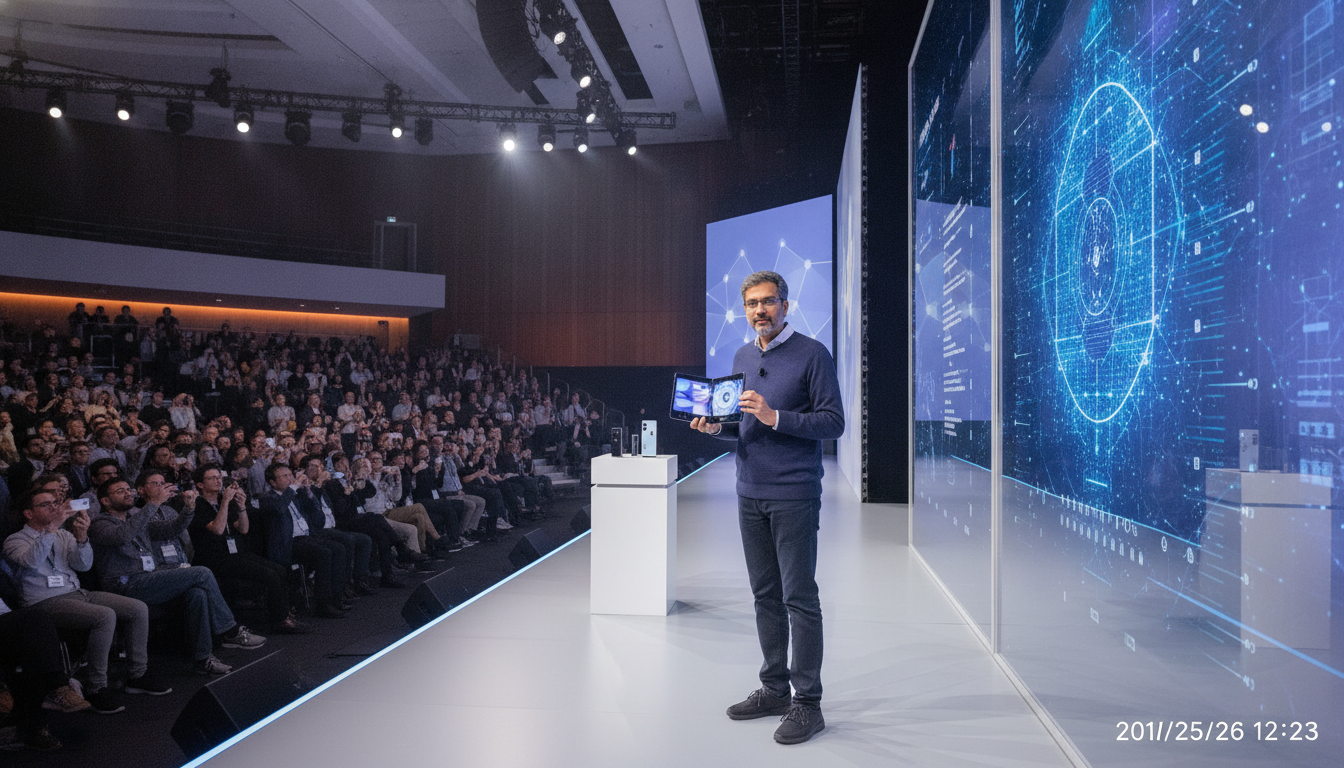
Google unveils Google Pixel 11 lineup in New York, including foldable and AI-driven features
Google unveils Pixel 11 lineup in New York: base and Pro models, a new foldable, updated Pixel Watch and Pixel Tag, all built around advanced AI features.
The Google Pixel 11 family was unveiled Wednesday evening in New York, with the company presenting a refreshed base model, two sizes of a Pixel 11 Pro, a new foldable device and an updated Pixel Watch. Google positioned the Pixel 11 launch around a suite of artificial intelligence enhancements that the company said will reshape photography, voice tools and on-device assistance. The presentation also introduced the Pixel Tag tracker, a new consumer accessory aimed at competing in the item-tracking market.
Product lineup revealed at Manhattan event
The event in Midtown showcased a broad hardware push from Google, spanning smartphones, wearables and accessories. The Pixel 11 series anchors the rollout, supplemented by a larger Pro model and a smaller Pro option to cover different buyer preferences. Executives emphasized a unified software experience across devices, centered on the company’s latest Gemini-derived models and improved on-device processing.
Google presented the Pixel Fold as a premium option within the new family, aiming to compete with rival foldables on durability and camera performance. The Pixel Watch received incremental upgrades focused on health tracking and tighter integration with the Pixel phones. The Pixel Tag was introduced as a compact tracker for keys, bags and other everyday items, rounding out the expanded ecosystem.
Pixel 11 and Pixel 11 Pro hardware upgrades
The Pixel 11 base model keeps the series’ emphasis on computational photography while bringing a refreshed design and faster internals. Google highlighted improved imaging sensors and new software features that promise better low-light performance and more consistent HDR results. The company also stressed battery life optimizations and faster charging as part of the core upgrade package.
The Pixel 11 Pro arrives in two sizes and targets users who want top-tier display and camera capabilities. Pro models include higher-refresh OLED panels, expanded telephoto options and additional processing overhead for AI-driven image enhancements. Google said these cameras will rely heavily on real-time machine learning to adjust exposure, color and subject segmentation without user intervention.
Pixel Fold aims to address durability and software continuity
The new Pixel Fold positions Google as a more serious contender in the foldable category, with a focus on hinge engineering and long-term reliability. Google told reporters the device was engineered to withstand frequent folding while maintaining a seamless app continuity experience between the outer and inner displays. The company also emphasized improvements to crease visibility and tactile finish compared with earlier prototypes.
On the software side, the Fold benefits from adaptive UI elements that resize and reposition content when the device transitions between folded and unfolded modes. Google demonstrated multitasking scenarios that route apps across screens and allow drag-and-drop between windows. The company framed these updates as part of a broader push to make foldables practical for everyday productivity and media consumption.
Watch update and Pixel Tag for everyday tracking
Google updated the Pixel Watch with new sensors and software features designed to improve sleep and activity monitoring. The watch continues to integrate Fitbit-derived metrics while adding smarter alerts and watch-face customization tied to the Pixel phone. Battery longevity and a slimmer profile were among the design goals highlighted by Google for the refreshed wearable.
The Pixel Tag is Google’s entry into the crowded Bluetooth tracker field and supports location finding through nearby Pixel and Android devices. Google positioned the Tag as a secure, privacy-focused option with user controls for sharing and tracking. The accessory is intended to complement the Pixel 11 family, particularly for users who rely on hardware ecosystems for daily convenience.
Artificial intelligence framed as the centerpiece
AI was the dominant theme throughout the presentation, and Google said the Pixel 11 lineup will showcase new generative and assistive features. The company emphasized on-device models to handle voice transcription, image editing and search tasks with reduced latency and enhanced privacy. Several demonstrations showed Pixel phones using AI to generate image edits, summarize conversations and produce contextual suggestions during calls.
Google also tied many camera and communication features directly to AI capabilities, saying the Pixel 11 series will apply machine learning to remove distractions from photos, adjust lighting automatically and translate speech in near real time. Officials reiterated that these capabilities are designed to run efficiently on-device, reducing the need to send sensitive data to the cloud.
Availability, pricing and competitive context
Google announced staggered availability windows for the Pixel 11 family, the Pixel Fold and the Pixel Tag, with preorders opening soon and retail shipments to follow in selected markets. Pricing details were presented for each model tier, and Google framed the lineup as a long-term strategy to grow Pixel market share against established smartphone makers. The company said carrier partnerships and trade-in offers will be part of the initial launch incentives.
Industry analysts expect Google to lean into its software strengths to differentiate the Pixel 11 series, especially where AI-driven features can be showcased. The company’s broader hardware strategy — linking phones, watches, tablets and accessories — aims to create a cohesive user experience similar to global competitors. How consumers respond to the Pixel 11 family will be clarified over the coming quarters as reviews and sales figures become available.
The Pixel 11 launch marks another step in Google’s effort to fuse advanced AI with mainstream hardware, offering a complete ecosystem that pairs smartphones with wearables and accessories. As units reach reviewers and retail channels, attention will turn to real-world battery life, camera performance and whether the promised AI features deliver measurable benefits for everyday users.
