
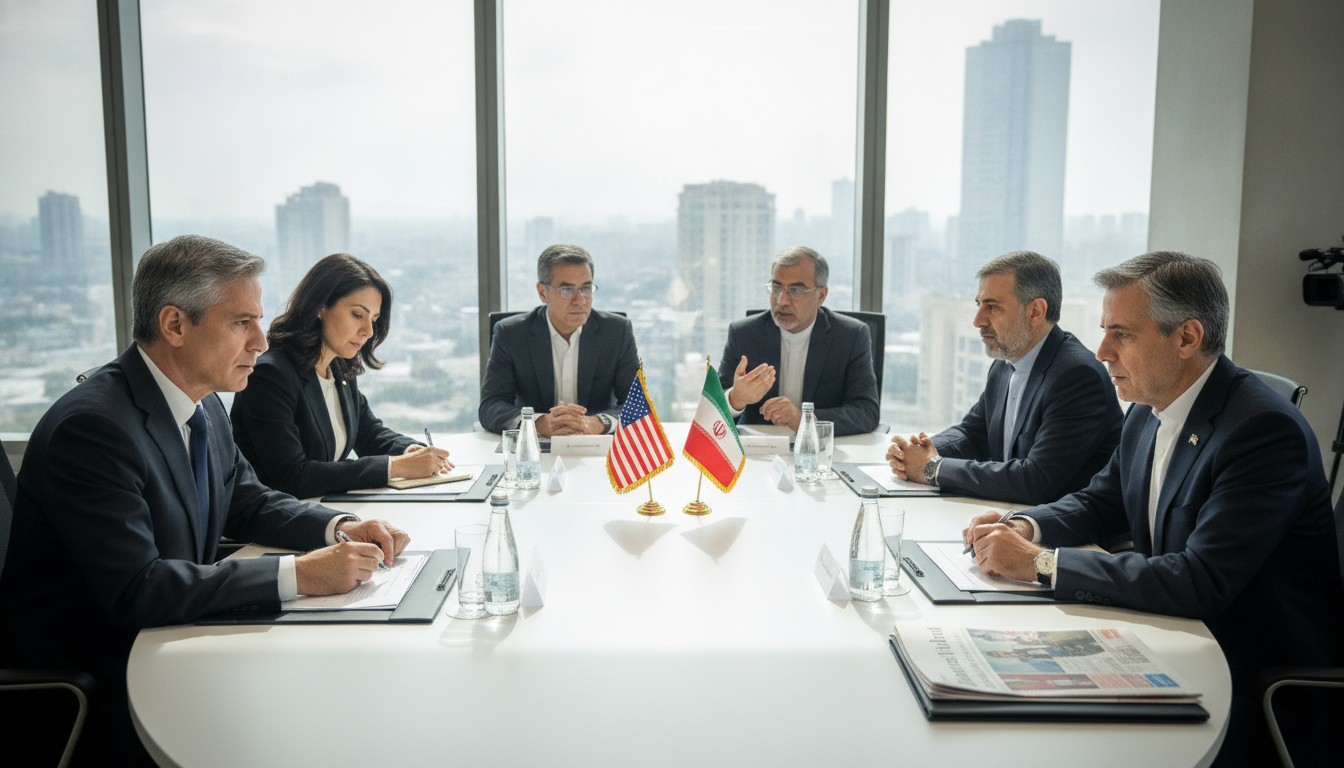
Mediators Rush to Salvage Iran-US Diplomacy After Renewed Strikes
Qatar and Pakistan press Iran as mediators seek to revive Iran-US diplomacy after major strikes and threats, with the Strait of Hormuz and sanctions at issue.
Mediators Converge in Tehran
A Qatari delegation arrived in Tehran on Friday as regional mediators worked to restore Iran-US diplomacy after a fresh round of strikes and sharp rhetoric. Pakistan’s prime minister also engaged directly, urging Tehran to preserve a hard-won ceasefire and keep channels of negotiation open.
Diplomats from Qatar and Pakistan have played active roles since the June 17 protocol that aimed to halt wider hostilities, and both capitals are now pressing for steps that would prevent the conflict from spiralling again.
June Protocol Under Strain
The agreement signed on June 17 was intended to produce a durable ceasefire following the war that began on February 28 after an Israeli-American strike on Iran. Despite that accord, this week’s exchanges of fire were the largest breach since the protocol was agreed, prompting urgent shuttle diplomacy.
Officials in Tehran and Washington held direct talks in Switzerland and later indirect discussions in Doha, but negotiators reported little progress before the latest violence forced mediators back into action.
Exchanges of Strikes and Reported Casualties
United States forces launched strikes into Iranian territory across two consecutive nights this week after Washington blamed Tehran for attacks on commercial vessels. Iranian health authorities reported at least 17 people killed and 115 wounded in the U.S. strikes, figures that Tehran has used to condemn the operation as a violation of the June agreement.
Iran, for its part, has struck targets in neighbouring Gulf states, including Kuwait, Bahrain and Qatar, saying the actions were retaliatory and linked to threats to its regional security.
Dispute over the Strait of Hormuz
The status of the Strait of Hormuz remains central to the standoff, with Iran asserting tighter control over transit routes through its waters. Tehran says it will not revert to pre-war conditions in which the passage was freely open, and currently permits navigation only along a single corridor adjacent to its coastline.
Washington and maritime operators warn that restrictions to freedom of navigation risk disrupting a significant portion of global hydrocarbon shipments and could further inflame tensions if incidents at sea continue.
U.S. Pressure and Public Deadlines
According to U.S. media reporting, Washington gave Tehran a public deadline to pledge it would cease attacks on shipping in the strait, a demand conveyed separately by diplomatic channels. The White House framed the ultimatum as a necessary step to deter further assaults on commercial vessels that have raised alarm across international trade networks.
The U.S. president, meanwhile, issued combative public statements saying the ceasefire was “terminated” even as officials signalled willingness to continue talks, a mix of posture and diplomacy that analysts say complicates negotiators’ work.
Rhetoric, Readiness and Tehran’s Response
Iran’s foreign ministry insisted it has upheld its commitments to the June protocol and warned that respect must be reciprocal to sustain the truce. Senior Iranian envoys, including Foreign Minister Abbas Araghchi, were reported to be travelling to neighbouring Oman and meeting counterparts to discuss concrete steps to lower tensions.
American officials have also publicly signalled military readiness, and Washington’s force posture combined with stark presidential rhetoric has raised concerns among mediators that inflammatory language could undercut diplomatic openings.
Regional Consequences and International Stakes
Beyond direct U.S.-Iran interactions, neighbouring states feel the impact of renewed hostilities through cross-border strikes and heightened security alerts. Gulf monarchies hosting naval traffic and hosting foreign bases are balancing calls for stability with pressure to back deterrent measures, creating a delicate regional dynamic for mediators to navigate.
Global markets and shipping companies are closely watching developments, as any sustained restriction in the Strait of Hormuz would have immediate economic repercussions worldwide and could harden international pressure for an enforceable cessation of hostilities.
Pathways for a Diplomatic Reset
Mediators say a public affirmation from Tehran to refrain from attacking commercial shipping, verified steps on the ground and a calibrated rollback of punitive measures by Washington could form the basis of renewed confidence. Regional envoys are exploring verification mechanisms and confidence-building measures that would allow both sides to claim compliance without appearing to concede core security positions.
The coming days are likely to test whether intermediaries can translate emergency diplomacy into concrete, verifiable actions that prevent the present flare-up from undoing the June accord completely.
The immediate task for mediators is to secure specific, reciprocal steps that reduce the chances of miscalculation at sea and curb inflammatory public statements that could push leaders toward more extreme options.
