
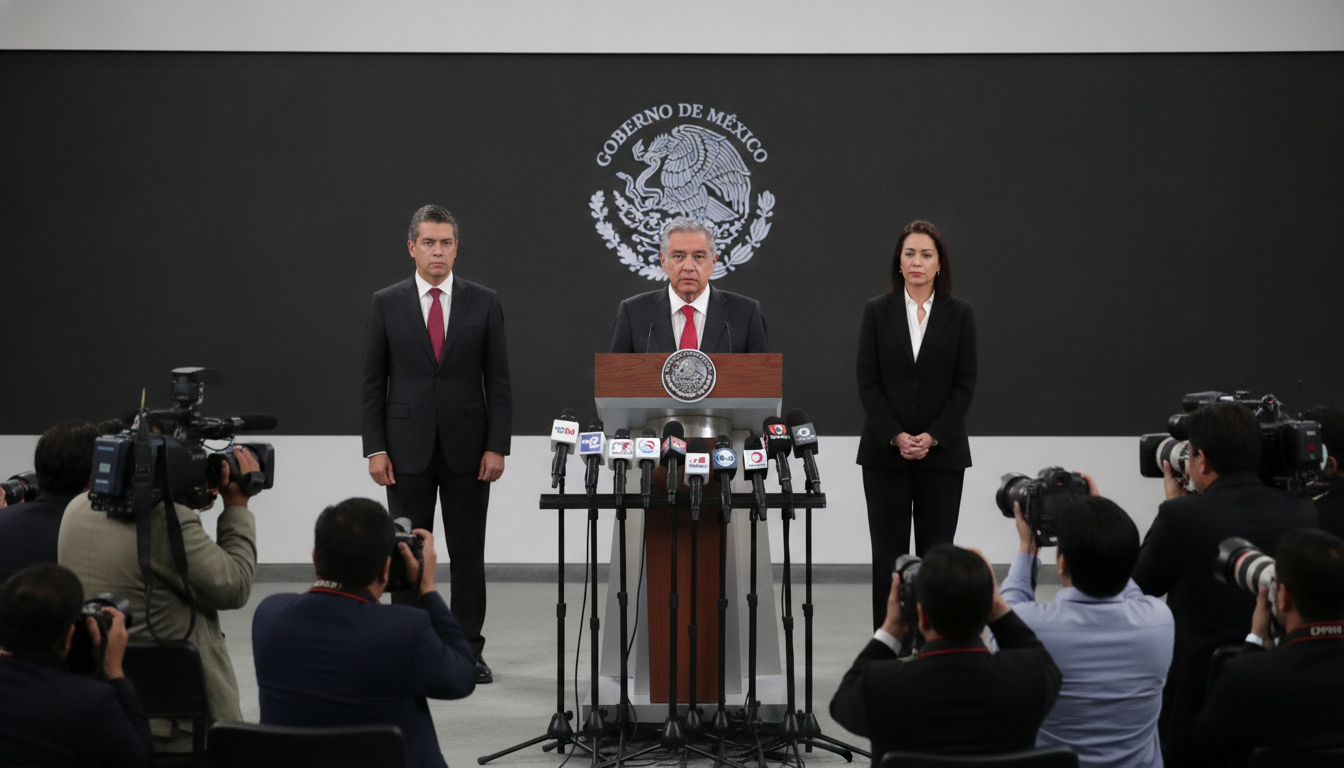
Mexico to Seek State and Federal Prosecutions Over Mexican Migrants’ Deaths During ICE Operations
Mexico seeks state and federal prosecutions in the U.S. over Mexican migrants’ deaths during ICE operations and will press for stronger protections in privately run detention centres.
Mexico announced it will pursue state and federal prosecutions in the United States in response to a deadly incident involving an ICE operation in Houston, President Claudia Sheinbaum said. The move aims to secure accountability after the fatal shooting of a Mexican national and to address broader concerns about the treatment of Mexican migrants in U.S. custody. Sheinbaum also said Mexico will press for stronger protections for its citizens held in privately run Immigration and Customs Enforcement detention centres.
Mexico’s legal strategy in U.S. courts
Mexico’s government said it will seek criminal charges at both state and federal levels, a dual approach that reflects the complexity of cross-border legal remedies. State prosecutions typically address local crimes such as homicide, while federal actions can involve civil rights violations or abuses of authority. Officials in Mexico framed the steps as necessary to ensure that investigations proceed thoroughly and that any responsible parties face appropriate legal consequences.
Houston shooting spurred immediate action
The announcement followed the fatal shooting of a Mexican man during an ICE operation in Houston, an incident that drew rapid attention from Mexican authorities and rights advocates. Mexico’s foreign ministry and the presidential office signalled that the case would be used to highlight systemic risks faced by migrants during enforcement actions. Government spokespeople emphasized the need for transparent, independent investigations into the circumstances of the shooting.
Concerns about privately run ICE detention centres
President Sheinbaum singled out privately operated detention centres as a particular area of concern, saying Mexico will press for enhanced protections for Mexican nationals held there. Critics have long argued that privately run facilities can lack adequate oversight, leading to gaps in medical care, legal access, and accountability. Mexico’s demand for stronger safeguards aims to secure better monitoring, timely consular access and improved standards for detainee welfare.
Calls for oversight and cooperation
Mexican officials have asked U.S. authorities to cooperate on investigations and to allow consular involvement in cases affecting Mexican citizens. The government’s approach combines legal action with diplomatic requests for information and access to detainees. Analysts say that cooperation from U.S. law enforcement and oversight bodies will be critical to any prosecutions or reforms linked to the case.
Human rights groups and families seek answers
The Houston incident has amplified calls from human rights organisations and migrant advocates for independent probes and systemic reforms. Families of migrants and civil society groups urged both governments to ensure investigations are impartial and to address wider policy failings that can expose migrants to harm. Mexico’s decision to seek prosecutions may strengthen demands for independent oversight of immigration enforcement practices.
Potential diplomatic consequences
The Mexican government’s legal push could add strain to U.S.-Mexico relations but also create pressure for policy changes on detention and enforcement. Washington and Mexico have a history of cooperation on migration issues, and officials on both sides may seek to manage the dispute through diplomatic channels while legal processes unfold. How U.S. authorities respond to formal requests for investigations and prosecutions will shape the next phase of bilateral engagement.
Mexico’s announcement underscores growing international scrutiny over how migrants are treated during enforcement operations and in detention facilities. The case in Houston will be watched closely by rights groups, legal experts and families seeking answers about the circumstances of the shooting and the protections afforded to foreign nationals in U.S. custody.
