
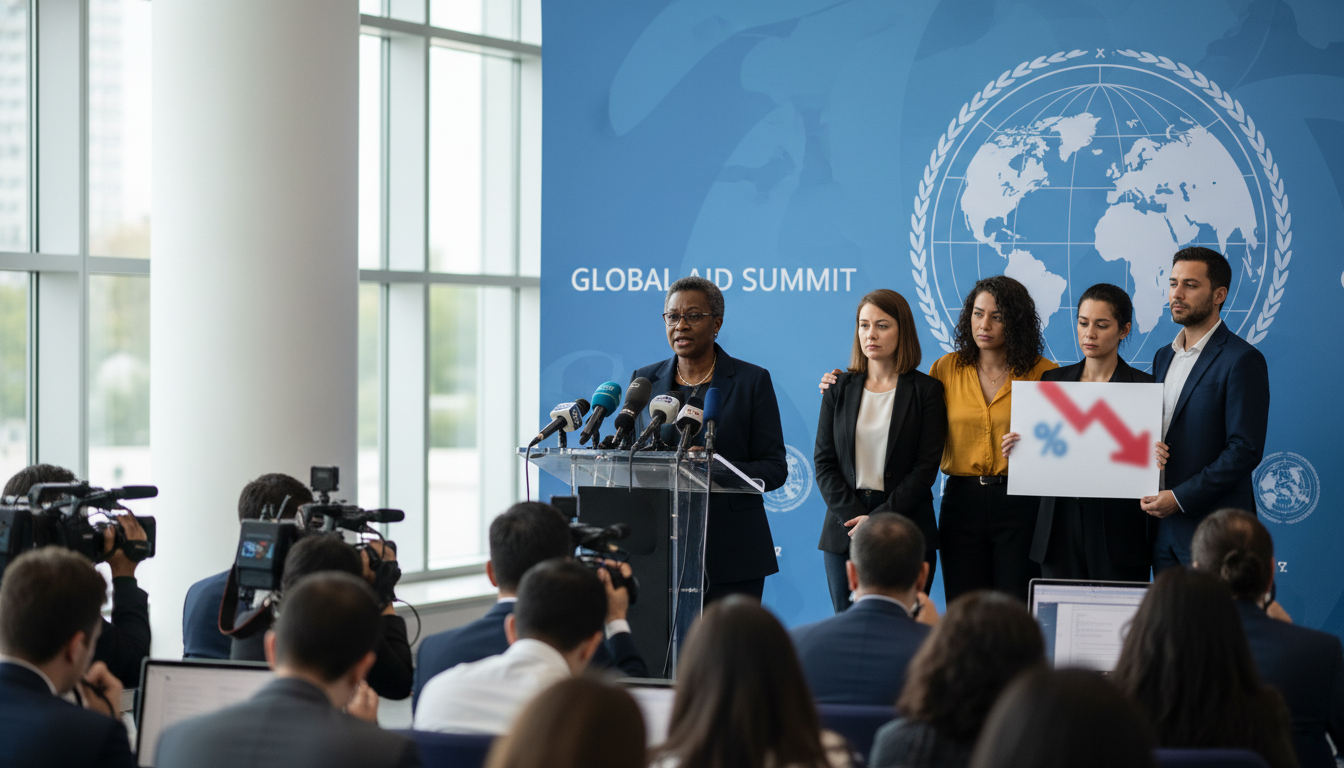
5% funding cut threatens survivor support services, advocates warn
A 5% funding cut could strip $30,000–$150,000 from survivor support services, putting jobs, programs and emergency assistance at risk as sector leaders warn of long-term harm.
A community support organization that serves survivors says the reduction follows a decade without increases to base funding and relies on occasional one-time injections to stay afloat. Staff warn that the cumulative effect of chronic underfunding and the new 5% reduction will force difficult choices that could diminish frontline capacity.
Scale of the Budget Reductions
The organization estimates the shortfall from the 5% funding cut will range between $30,000 and $150,000 depending on program size and prior grant levels.
Those amounts, officials say, represent operating dollars used for staff salaries, program delivery and supports such as transportation and childcare that enable survivors to access services.
History of Base Funding Stagnation
Representatives noted there has been no increase to base funding in roughly ten years, with only intermittent one-time injections to cover gaps.
Advocates argue that temporary funds do not substitute for stable, multi-year commitments that allow organizations to plan, hire and maintain essential programs.
Immediate Impacts on Staff and Services
Program leaders say the cuts are likely to result in staff reductions, reduced hours and fewer client-facing programs if alternate revenue is not secured.
Losses in staff capacity would reduce the number of clients served and lengthen wait times for counselling, case management and emergency accommodation.
Consequences for Survivors’ Access to Support
Front-line workers warn that fewer programs and staff will directly affect survivors’ ability to get timely help, especially for those fleeing violence or facing complex needs.
Essential wraparound services — including safety planning, legal referrals and mental health support — are particularly vulnerable when overhead and operational budgets shrink.
Calls for Funding Restoration and Reform
Sector advocates are urging funders to reverse the cut and consider indexing base funding to reflect inflation and rising costs.
They contend that multi-year, predictable funding would reduce administrative churn and allow organizations to focus on service delivery rather than constant fundraising.
Community and Sector Responses
Some organizations are exploring emergency fundraising drives, re-prioritizing services and seeking partnerships with other community groups to mitigate immediate impacts.
Local advocates say stopgap measures can buy time but are not a substitute for stable public investment in survivor supports.
Risks if Cuts Persist
Analysts within the sector caution that sustained reductions could lead to program closures, fewer prevention initiatives and diminished community outreach over the medium term.
The downstream costs — increased demand on health care, emergency services and the justice system — may outweigh short-term savings from budget trims, they say.
The organization is calling on funders and policymakers to meet with service providers to review the projected impacts and to consider tailored solutions that protect front-line capacity.
