
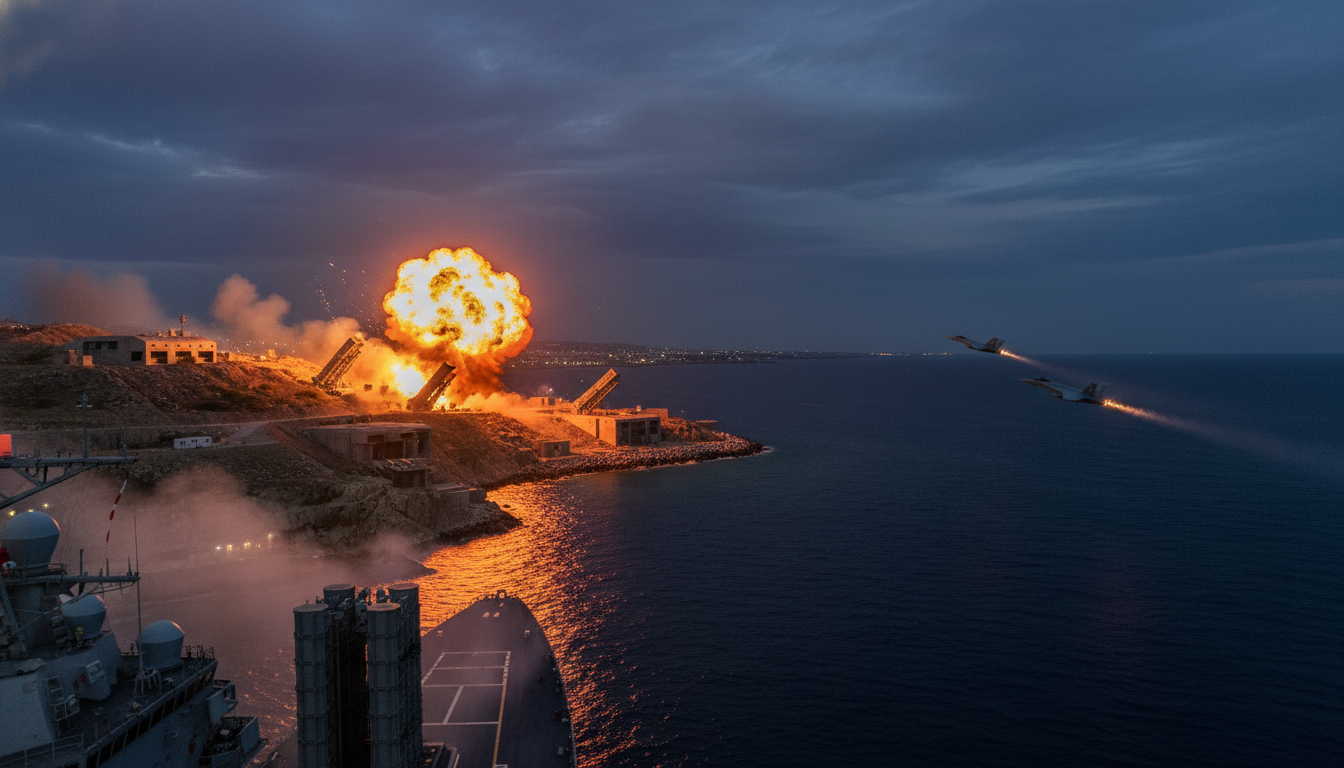
US strikes in southern Iran target missile and mine-laying sites amid fragile ceasefire talks
US strikes in southern Iran hit missile and mine-laying sites amid fragile ceasefire talks; explosions near Bandar Abbas raise regional tensions and markets.
The United States carried out strikes in southern Iran on Monday, May 26, 2026, saying the attacks struck missile launch positions and Iranian vessels attempting to lay mines. The actions came amid delicate negotiations aimed at ending the wider Middle East conflict and during a ceasefire that has been in place since April 8, 2026. The phrase “US strikes in southern Iran” is now central to an unfolding diplomatic and military sequence that has raised concerns across the region and in global markets.
US military describes targets and intent
The U.S. Central Command (CENTCOM) said the strikes were conducted in self‑defense to blunt threats to U.S. forces and shipping. CENTCOM identified the targets as missile launch sites and small craft that it said were attempting to deploy naval mines, characterizing the operations as limited and proportionate. U.S. officials emphasized they would show restraint while the ceasefire remains in effect, framing the strikes as defensive rather than escalatory.
The strikes underscore American concerns about Iran’s ability to threaten both regional forces and commercial traffic through the Strait of Hormuz. Washington has repeatedly cited the risk posed by missile launches and mine deployment to allied navies and merchant vessels that transit the strategic waterway. U.S. statements stressed that protecting personnel and keeping shipping lanes open were the primary drivers of the operation.
Explosions reported near Bandar Abbas
Iranian state and local media reported several loud explosions near the southern port city of Bandar Abbas late Monday night, and state television later said the situation had returned to normal. Authorities in Tehran said they had launched an investigation to determine the origin of the blasts, while initial accounts varied on whether facilities were damaged. The port region is home to military installations and commercial anchors, making it a sensitive focal point for any kinetic action.
Local eyewitnesses described sirens and flashes before services were restored, and both Iranian and international monitoring outlets noted elevated activity near the waterways. Officials did not immediately report casualties in public statements, and the information environment remained fluid with competing claims and limited independent verification in the hours after the strikes.
Doha talks accelerate despite setbacks
Diplomatic activity intensified even as the strikes occurred, with senior Iranian negotiators arriving in Doha for talks aimed at a settlement to the wider conflict. Tehran’s delegation included senior political and economic officials, who met with mediators and regional actors to discuss terms for reopening key maritime routes and addressing other security demands. U.S. political leaders signaled that a deal remained possible, though key language and verification measures still needed ironing out.
President Donald Trump, who has publicly framed a negotiated settlement as a high priority, tempered expectations while saying he would only sign an “excellent” agreement. Republican Senator Marco Rubio, traveling on official business in India, said a pact was attainable and that negotiators were still working through the precise wording of any initial text. Diplomats involved in the Doha sessions cautioned that significant technical and political hurdles remained before an accord could be finalized.
Strait of Hormuz and nuclear provisions at the center
A critical element of the talks is the reopening of the Strait of Hormuz, which Iran has effectively closed since the U.S. and Israeli offensive began on February 28, 2026. The strait is a choke point for roughly one‑fifth of global seaborne oil and liquefied natural gas flows in normal conditions, making its status a major economic and strategic concern. Negotiators have discussed phased measures to restore safe passage, but Tehran has insisted nuclear matters remain separate from immediate maritime arrangements.
President Trump raised the question of Iran’s enriched uranium stockpiles, suggesting options that include handing material to the United States for destruction or coordinated dismantling in partnership with Iran. Tehran has been cautious, saying many substantive issues are largely agreed on but stopping short of declaring a signature imminent. The interplay between maritime security and nuclear verification remains a potential sticking point for both sides.
Escalation in Lebanon compounds regional strain
The strikes occurred on a day of heightened regional tensions after Israeli Prime Minister Benjamin Netanyahu announced plans to intensify operations in Lebanon against Hezbollah. Fighting along the Israel‑Lebanon border has persisted despite a separate ceasefire that took effect on April 17, 2026, with both sides accusing the other of violations. Israeli strikes in southern Lebanese towns were reported to have caused civilian casualties, and Hezbollah has continued to launch attacks in response.
Analysts warned that simultaneous pressure points in the Gulf and on Israel’s northern front increase the risk of wider confrontation, complicating diplomatic efforts in Doha and beyond. Regional capitals have been urged to exercise restraint even as public rhetoric in several countries hardened following the U.S. strikes and Israeli statements about intensifying operations.
Oil traders and markets reacted to the overnight developments, with benchmark prices moving as investors assessed the risk to supply. The interplay between real‑time military actions and ongoing negotiations has created volatility, prompting calls from importers and shipping interests for rapid de‑escalation and clear, enforceable guarantees for transit through the Hormuz corridor.
The strikes in southern Iran on May 26, 2026, therefore add a precarious chapter to a diplomatic process that had shown recent promise. While U.S. officials framed the action as a narrowly tailored defensive response, the timing complicates negotiations in Doha and raises fresh questions about the durability of ceasefire arrangements and the prospect of a comprehensive settlement. Continued monitoring of statements from Tehran, Washington, and mediators in Qatar will be essential in the coming days as parties decide whether to press toward a deal or resume broader operations.
