
US seizes Iranian-flagged ship near Strait of Hormuz, reviving Tanker War echoes
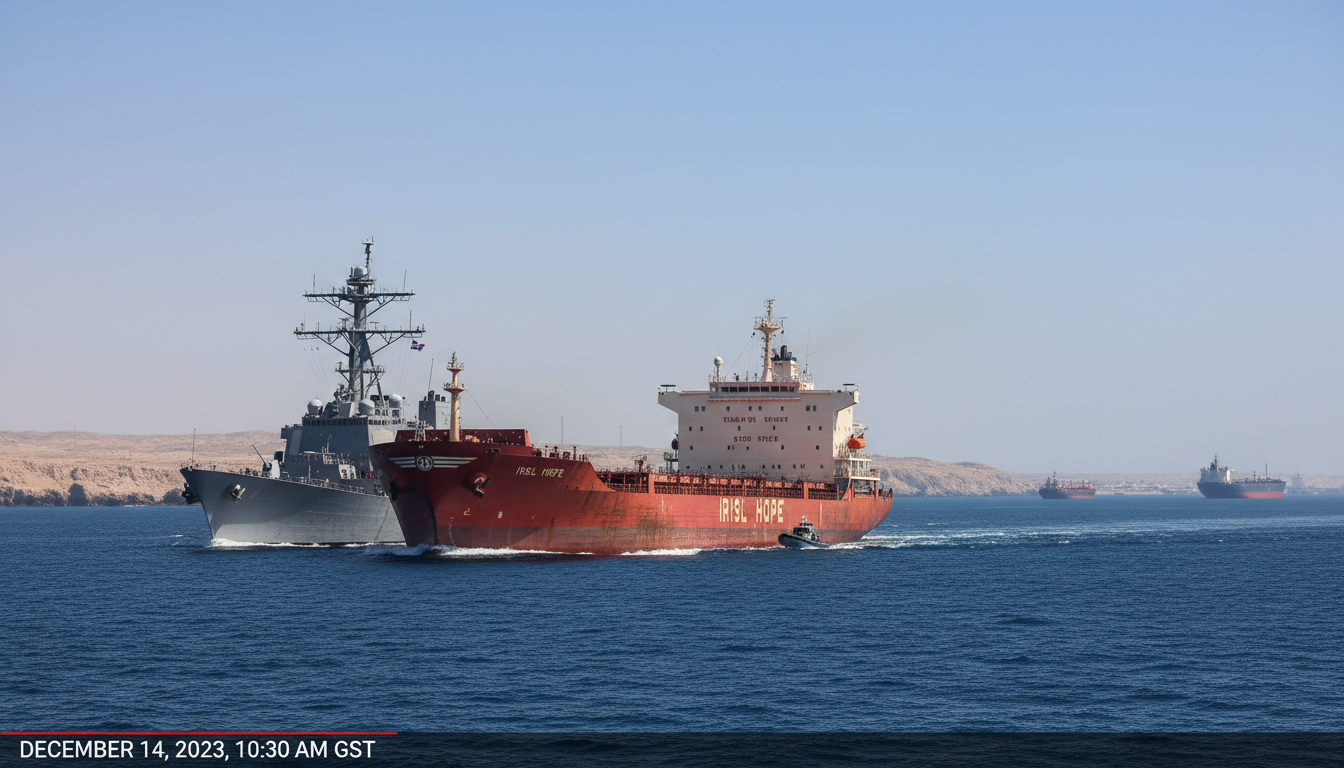
US forces seized an Iranian-flagged container ship near the Strait of Hormuz on April 20 amid a US naval blockade, reviving comparisons with the 1980s Tanker War.
The seizure, which followed US strikes and a broader maritime interdiction campaign, marked a sharp escalation in a weeks-long confrontation that has disrupted traffic through the Strait of Hormuz. The keyword Strait of Hormuz has once again become central to discussions about global energy security and maritime law as naval forces and commercial shipping navigate heightened risks.
Details of the April 20 interdiction
US military units fired on and then boarded the Iranian-flagged container vessel Touska close to the northern Arabian Sea before taking control of the ship on April 20. Pentagon statements framed the action as part of broader efforts to enforce sanctions and disrupt networks moving sanctioned cargoes.
A day after the Touska was seized, US forces also detained a second tanker accused of transporting Iranian crude in the Bay of Bengal, signalling that the enforcement campaign extended beyond the immediate Gulf region. US Central Command says it has ordered dozens of Iran-linked vessels to alter course or return to Iranian ports since the blockade began.
How the 1980s Tanker War unfolded
The late 1980s Tanker War was a maritime offshoot of the Iran–Iraq land war that began in 1980, when Iraq invaded Iran following the revolution in Tehran. From 1984 the conflict spread to shipping lanes as Iraq and Iran attacked one another’s tankers and commercial vessels in an effort to choke each other’s oil revenue.
Foreign navies became involved after attacks on Kuwaiti and allied ships prompted requests for protection, and the United States launched Operation Earnest Will in mid-1987 to escort reflagged tankers. The campaign escalated into kinetic clashes at sea, including mine strikes and direct naval engagements, before a UN-brokered ceasefire ended hostilities in August 1988.
Parallels between now and the 1980s confrontation
Several features of the current crisis mirror the earlier Tanker War: disruption of shipping through a critical chokepoint, fears about sea mines and attacks on commercial vessels, and rapid upward pressure on oil prices. Both episodes show how relatively limited naval actions can have outsized economic and strategic effects when they occur in the Strait of Hormuz.
Analysts note that even the perception of risk in the strait quickly raises insurance and transport costs, and can push global benchmarks higher. In both eras, states used maritime pressure and restrictions on passage as leverage to influence broader political outcomes.
Key differences from the original Tanker War
There are important contrasts with the 1980s. Western and NATO partners that joined US-led escort and minesweeping operations in the 1980s have largely declined to participate in a comparable coalition this time, citing concerns about being drawn into a wider war. The current confrontation is framed more as a US-Iran standoff tied to recent attacks and sanctions rather than a bilateral land war between regional neighbours.
Technological and doctrinal shifts matter as well: modern maritime coercion can now be paired with missiles, drones, cyber operations and tighter controls over ports and shipping registration, giving actors a broader palette of tools to signal or escalate. Iran’s reported decision to limit passage to ships it deems “friendly” or to levy fees also reflects a more transactional and politically calibrated approach.
Maritime and economic risks for global markets
Shipping through the Strait of Hormuz has already contracted sharply, and the reduction in transits has helped lift oil prices into triple digits at times during the crisis. Because roughly 20 percent of seaborne oil passes the strait in normal times, even partial closures or persistent interdiction raise the prospect of sustained price volatility and supply chain disruptions.
The mine threat, whether real or suspected, remains a particular concern because mines disrupt traffic without requiring large fleets or major platforms to deploy them. Minesweeping capacity is limited in the region, and states face a difficult choice between protecting commerce and avoiding deeper military entanglement.
Regional and diplomatic fallout
Tehran has tightened control over passage after US and allied strikes, asserting authority over who may transit the strait and further constraining commercial movements. Iranian officials frame these measures as reciprocal responses to the naval blockade imposed by the United States on April 13, while Washington says it is enforcing sanctions and preventing the flow of material support.
Third-party shipping nations and major energy importers are already attempting to reroute or negotiate safe passage, and some vessels have accepted alternatives proposed by Iranian authorities to avoid perceived danger zones. The standoff has also sown diplomatic strains, with appeals and warnings circulating among governments that rely on uninterrupted Gulf exports.
The actions in the northern Arabian Sea and the broader blockade have revived a bitter maritime lesson from the 1980s: chokepoints like the Strait of Hormuz give relatively small naval moves strategic leverage, and they can quickly ripple into global markets and political alliances. Continued interdictions and retaliatory measures risk prolonging instability unless parallel diplomatic channels can reduce incentives for further escalation.
