
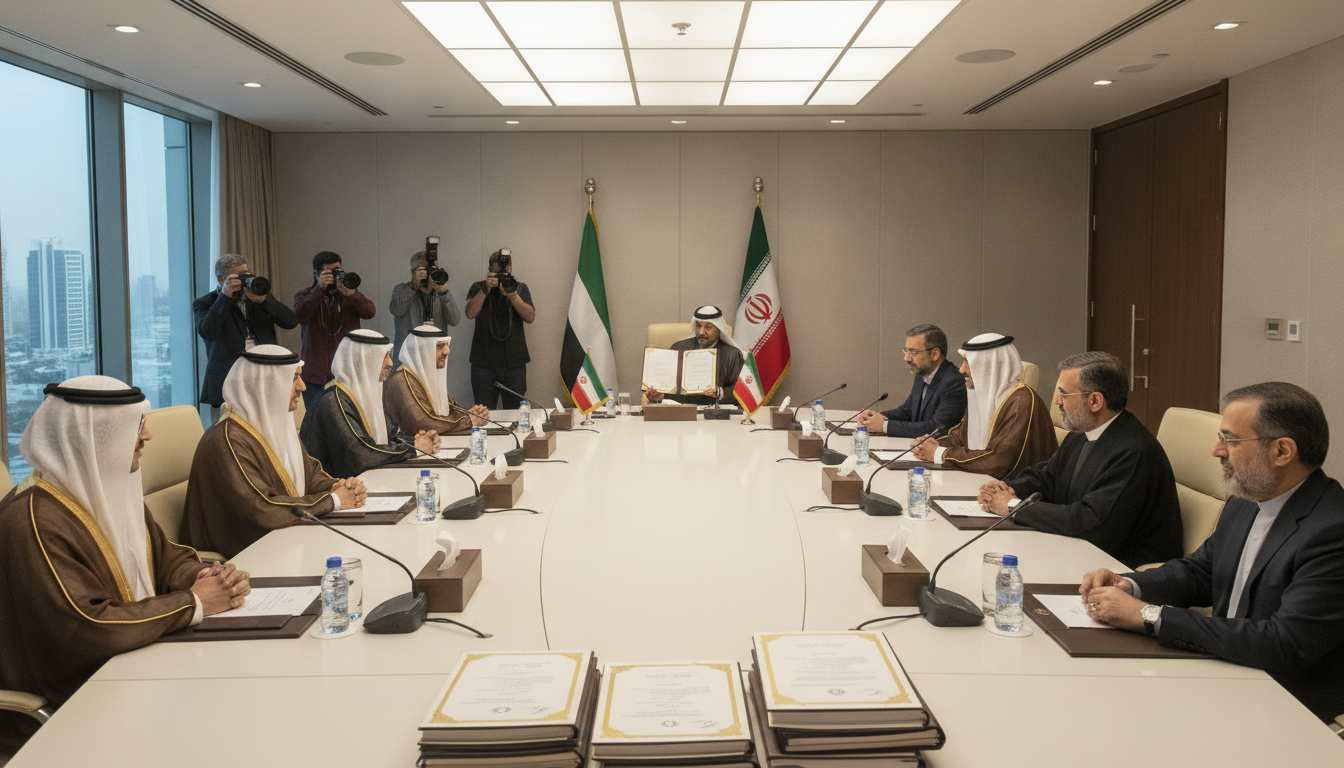
UAE Unlocks Billions for Iran in Reported Deal Tied to Halt in Attacks
The UAE has agreed to unlock billions of dollars for Iran, a reported tactical shift that included an initial $3 billion tranche and could total between $10 billion and $20 billion, sources say. The UAE unlocks billions for Iran is being linked to a negotiated halt in Iranian missile and drone strikes and to parallel talks between Tehran and Washington over frozen oil revenues.
UAE Agrees to Release Funds, Sources Say
Two regional sources told Reuters that the United Arab Emirates had agreed to release roughly $10 billion, with more than $3 billion already transferred, while two other sources put the figure as high as $20 billion. All four sources declined to be identified because of the sensitivity of the arrangement.
A UAE official, when asked about the reported transfers, framed the move as an effort to reduce regional tension and promote stability. The official said the UAE supports efforts, including those by the United States, to shield people in the region from the repercussions of conflict.
Amounts and Origins of the Cash Remain Unclear
Reports differ on the total sums and on whether the funds came from Emirati coffers or from long-frozen Iranian-linked accounts held in the UAE banking system. Reuters was unable to independently verify the provenance of the funds or to confirm the full scale of the disbursements.
Analysts say Dubai and Abu Dhabi hold significant Iranian-linked deposits that have been immobilized under U.S. sanctions that govern dollar clearing and access to U.S. financial networks. The ambiguity over the money’s origin complicates both legal and diplomatic readings of the move.
Move Linked to Broader US‑Iran Negotiations
Diplomats described the UAE action as coinciding with final-stage negotiations between Tehran and Washington to end the wider conflict, a process that includes discussions over tens of billions of dollars in Iranian oil revenues frozen in foreign banks. American officials were not immediately available to comment on the reported UAE transfers.
Vice President JD Vance told reporters that any U.S. deal would be structured so benefits to Iran flow only if Tehran meets its obligations, and that funds would not be handed over immediately upon signing. Iranian authorities did not issue an immediate public response to reports of the UAE agreement.
Security Trade-off in Return for a Cease of Attacks
Sources said the reported arrangement was conditioned on Iran halting missile and drone strikes against the UAE, a concession that would directly address Abu Dhabi’s security concerns. One source described the deal as a way for all parties to avoid crossing their stated red lines: Iran could claim compensation for war damages while the United States could say it paid nothing directly.
The reported pause in attacks has already had economic effects; earlier strikes led to hotel evacuations in Dubai, disrupted business confidence and prompted some expatriates to leave. For Abu Dhabi, securing a cessation of strikes is framed as protecting both national security and Dubai’s status as a global commercial hub.
Diplomatic Visits Accelerated Negotiations
Officials say talks between Iranian and Emirati representatives intensified after a visit by senior members of Iran’s Revolutionary Guard to Abu Dhabi, where they met the UAE national security adviser, Sheikh Tahnoun bin Zayed al Nahyan. That visit was followed by Emirati officials travelling to Tehran to hammer out the details of the mechanism.
Sources described those contacts as pragmatic and rapid, reflecting a shared incentive to reduce the risks of escalation. The arrangement, they added, included plans for rebuilding bilateral ties, expanding intelligence sharing and initiating economic cooperation if the security conditions held.
Regional Ripple Effects and Wider Interest
A source said Iran had approached at least two other Gulf Arab states to pursue similar arrangements, suggesting regional appetite for bilateral measures that deliver security guarantees without requiring direct U.S. payments. Such parallel deals, if they materialize, could reshape Gulf diplomacy and the balance of risk management across the region.
Gulf banks and international compliance units will watch the transfers closely, given the exposure that comes with handling funds tied to sanctioned entities. Observers warn that any movement of large Iranian-linked sums through regional financial centres could prompt renewed scrutiny from U.S. and international regulators.
The reported UAE move follows months of intermittent Iranian attacks that culminated in a May 4 strike on Fujairah port, the last publicly known direct attack on the Emirates. UAE officials say the priority is preventing further strikes and restoring investor confidence across the emirates.
Final diplomatic and legal steps remain to be seen, and international actors will likely monitor whether the reported payments achieve the intended pause in hostilities. The extent to which the UAE’s action dovetails with any formal U.S.‑Iran settlement will be central to determining whether the arrangement becomes a durable mechanism for de‑escalation or a short‑term expedient that leaves broader tensions unresolved.
