
Pentagon Pauses U.S. Arms Sales to Taiwan Citing Munitions Needs from Middle East Conflict
Pentagon says U.S. arms sales to Taiwan paused over munitions needs tied to the Middle East war, prompting responses from Taipei, Beijing and U.S. lawmakers.
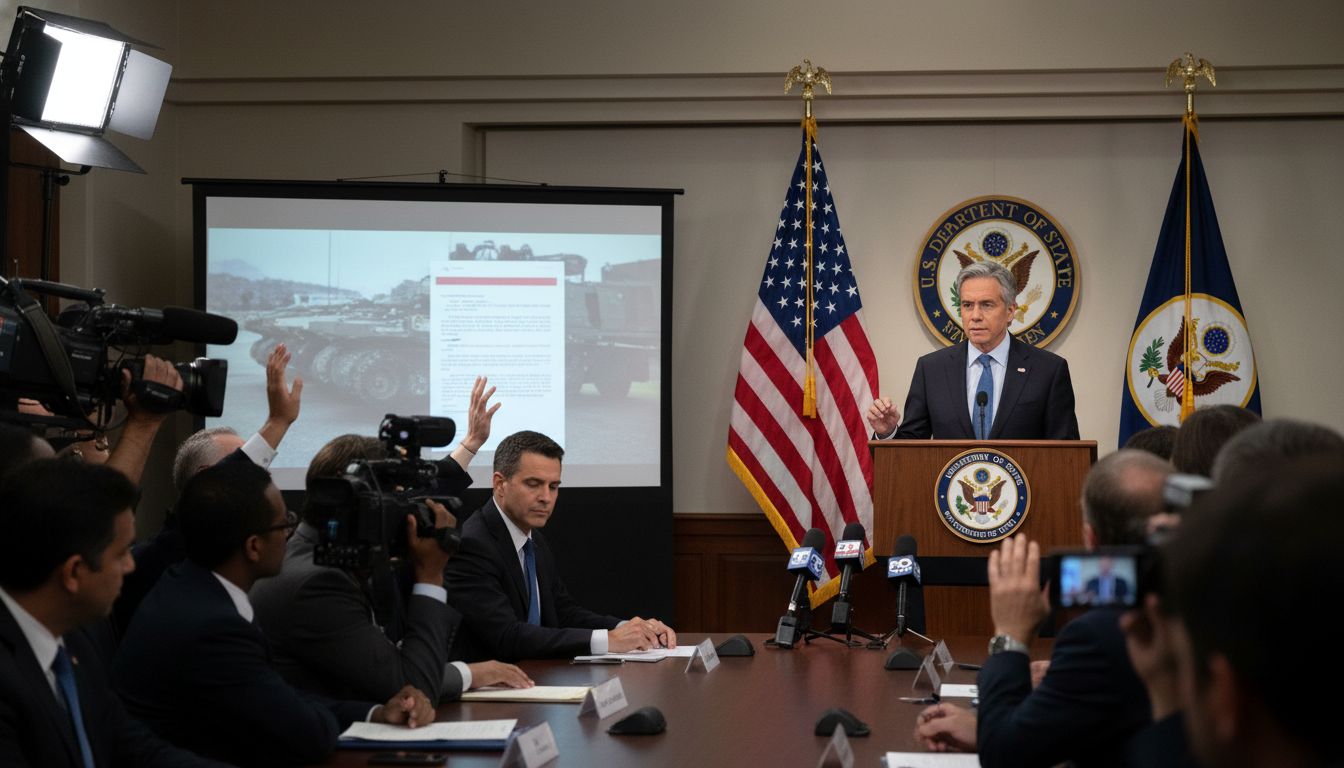
The Pentagon announced a temporary pause in U.S. arms sales to Taiwan, saying munitions requirements related to the ongoing Middle East conflict have reduced available inventories for foreign transfers. Acting Navy Secretary Hung Cao told lawmakers the hold affects a proposed $14 billion package that is currently blocked, and he said the pause will remain until U.S. operational needs are secured. The statement has triggered sharp reactions in Taipei, Beijing and on Capitol Hill as officials weigh the security and diplomatic implications.
Pentagon official cites munitions priorities
A senior Pentagon official told a congressional hearing the pause is designed to ensure sufficient ordnance for U.S. operations identified as priorities, specifically naming the campaign launched on February 28 as the rationale for the temporary hold. Hung Cao described current stocks as adequate for immediate needs but said officials want certainty about future availability before authorizing new foreign military sales. The Pentagon framed the move as precautionary rather than permanent, adding that foreign transfers will resume when the administration determines it is appropriate.
Status of the $14 billion package and recent approvals
The acquisition at the centre of scrutiny is a proposed $14 billion sale that remains under review and has not proceeded to delivery. Washington did, however, approve an $11.1 billion arms package for Taiwan late in 2025 — the second such approval since the current U.S. administration took office — and many in Taipei were expecting follow-on deliveries. U.S. officials stressed that long-prepared foreign military sales require lengthy implementation steps and that timing of shipments depends on operational priorities and presidential decisions.
Taipei reaction and diplomatic signals
Taiwanese officials have sought clarification but said there is no formal notification that the United States plans to alter the sale. Presidential spokesperson Karen Kuo told reporters she was unaware of any definitive change to the planned transfers and emphasized Taipei’s interest in maintaining its defensive posture. Taiwanese leaders have voiced concern about any interruptions to arms deliveries given mounting regional tensions and the island’s long-standing need to modernize defensive capabilities.
Beijing reiterates opposition and regional stakes
China’s foreign ministry reiterated its longstanding opposition to U.S. arms sales to Taiwan, calling the practice unacceptable and warning of consequences for U.S.-China ties. Beijing regards Taiwan as a province and has repeatedly objected to any outside military support for Taipei, framing such transfers as interference in China’s internal affairs. The Chinese government’s vocal posture underscores how shifts in U.S. policy or timing on arms deliveries feed broader strategic mistrust across the Taiwan Strait.
Legal backdrop and U.S. obligations
U.S. obligations are grounded in the Taiwan Relations Act of 1979, which requires Washington to provide Taiwan with defensive arms without endorsing formal independence. That statutory framework has guided decades of U.S. policy, even as interpretations and implementation have varied between administrations. Lawmakers on both sides of the aisle signalled swift interest in preserving the statute’s intent after the Pentagon’s announcement, and several senators moved to reaffirm congressional support for Taiwan’s defensive needs.
Congressional response and bipartisan assurances
Members of Congress from both parties have introduced a resolution reaffirming U.S. support for Taiwan and rejecting the idea that Beijing should be consulted on American arms sales. Advocates said the United States must uphold commitments to deter coercion while balancing supply needs for ongoing operations abroad. Senator Jeanne Shaheen, among others, criticised any perception that presidential diplomacy had weakened Washington’s obligation to assist Taiwan’s defense and urged rapid clarification from the White House and Pentagon.
The pause in transfers follows public remarks by President Donald Trump after a recent visit to Beijing, during which he suggested that continuation of sales could be used as leverage in bilateral discussions. The White House has said that details of foreign military sales will not be disclosed until the president reaches a final decision, and Pentagon officials emphasised that the current action is temporary and tied to munitions management for U.S. operations.
U.S. officials say they will review inventories and consult with Congress before committing to new deliveries, while Taipei continues to press for timely clarification to avoid gaps in its defensive planning. The coming days are likely to bring further questions in Washington about how to balance operational readiness with long-standing security commitments in East Asia.
