
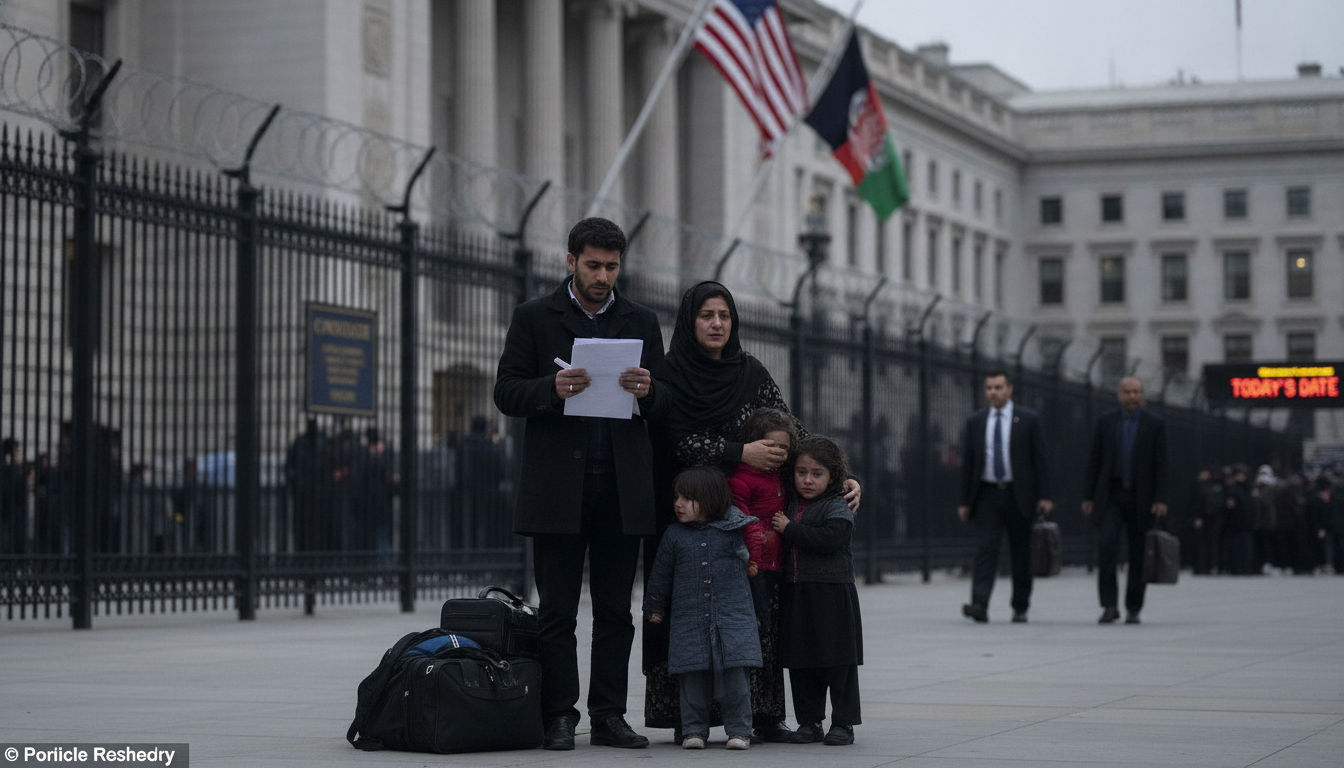
Trump visa ban leaves Afghan family’s U.S. resettlement in limbo
An Afghan family says the Trump visa ban has left relatives trapped and their planned U.S. resettlement in limbo, exposing legal, humanitarian and diplomatic fallout on June 14, 2026.
The family at the center of the case has been fractured by restrictions introduced under the Trump visa ban, which bars nationals from 39 countries, including Afghanistan, from entering or obtaining certain U.S. visas. Relatives who had expected to reunite in the United States now face indefinite delays and mounting uncertainty as appeals and visa backlogs stall. Local aid groups and international advocates say the case illustrates the broader human impact of sweeping travel and visa restrictions.
Family Separated in Kabul
The household describes a routine that shifted to crisis as application appointments disappeared and embassy operations were curtailed, leaving elderly relatives and children unable to leave a volatile environment. Those with approved sponsorships reported being told their cases could not proceed because of nationality-based restrictions under the Trump visa ban. Family members in the United States say they are frustrated by inconsistent guidance and long waits that have turned planned relocation into an open-ended emergency.
Scope of the Visa Ban and Affected Countries
The policy that triggered the separation applies to a slate of countries identified by previous U.S. administrations as security or immigration risks, and it has been extended and adjusted through executive actions and regulatory rulings. Afghanistan remains on lists that limit access to immigrant and nonimmigrant visas, affecting evacuation pathways, special immigrant visas and family reunification processes. Advocates warn that the blanket nature of the restrictions does not account for individual vetting histories, wartime service, or long-term ties to U.S.-based sponsors.
Legal Hurdles and Application Backlogs
Legal advocates report a twofold problem: statutory prohibitions for certain nationalities and an overwhelmed administrative process that creates months, sometimes years, of delay. Courts have at times reviewed travel and visa policies, but litigation moves slowly and outcomes vary by jurisdiction and case specifics. For many families, the practical effect is that even when a legal pathway exists — such as humanitarian parole or special immigrant categories — the administrative capacity to adjudicate cases remains strained and unpredictable.
Humanitarian Consequences in Afghanistan
The result on the ground in Afghanistan has been acute: families living with heightened security risks, limited access to services, and mounting psychological strain as escape routes narrow. Aid organizations describe situations where those who assisted coalition forces, or who were eligible for relocation under long-standing programs, now face renewed threats without the safety net they expected. Health, schooling and basic economic survival become daily concerns for those left waiting while their relatives abroad attempt to navigate U.S. bureaucracy.
Advocacy Groups and International Responses
Nonprofits, legal clinics and some foreign governments have increased advocacy and diplomatic outreach to press for case-by-case waivers, expedited processing, or alternative relocation options. Human-rights groups say targeted exemptions and clearer guidance would reduce disastrous delays, and they have urged Washington to restore or expand special-immigrant pathways used by interpreters, contractors and their families. International partners, particularly NATO-aligned states and refugee-resettlement agencies, continue to call for coordinated solutions to protect vulnerable people caught by broad nationality-based rules.
U.S. Administration Stance and Policy Timeline
U.S. officials who defend the measures say they balance national-security concerns with humanitarian considerations and that exceptions exist for compelling cases, while critics say the scope is overly broad and harms allies. The visa restrictions trace back to executive measures and subsequent regulatory changes that have been subject to legal challenges and administrative reviews in recent years. For families affected now, the policy’s legal framework and implementation timetable remain central to any hope of resolution, as agencies and courts weigh petitions and claims that could alter individual outcomes.
For the Afghan household, the immediate need is practical: clear timelines, a reliable channel for appeals, and assurance that approved sponsorships will be honored rather than indefinitely suspended. Their situation is a reminder that immigration policy shifts resonate far beyond Washington, reshaping lives across borders and testing the capacity of governments and charities to respond quickly to human crises.
