
FIFA rules complicate World Cup screenings in Toronto bars and cafés
Toronto bars and cafés scramble to promote World Cup screenings amid strict FIFA trademark rules; city webinars and public-viewing licences clarify rights.
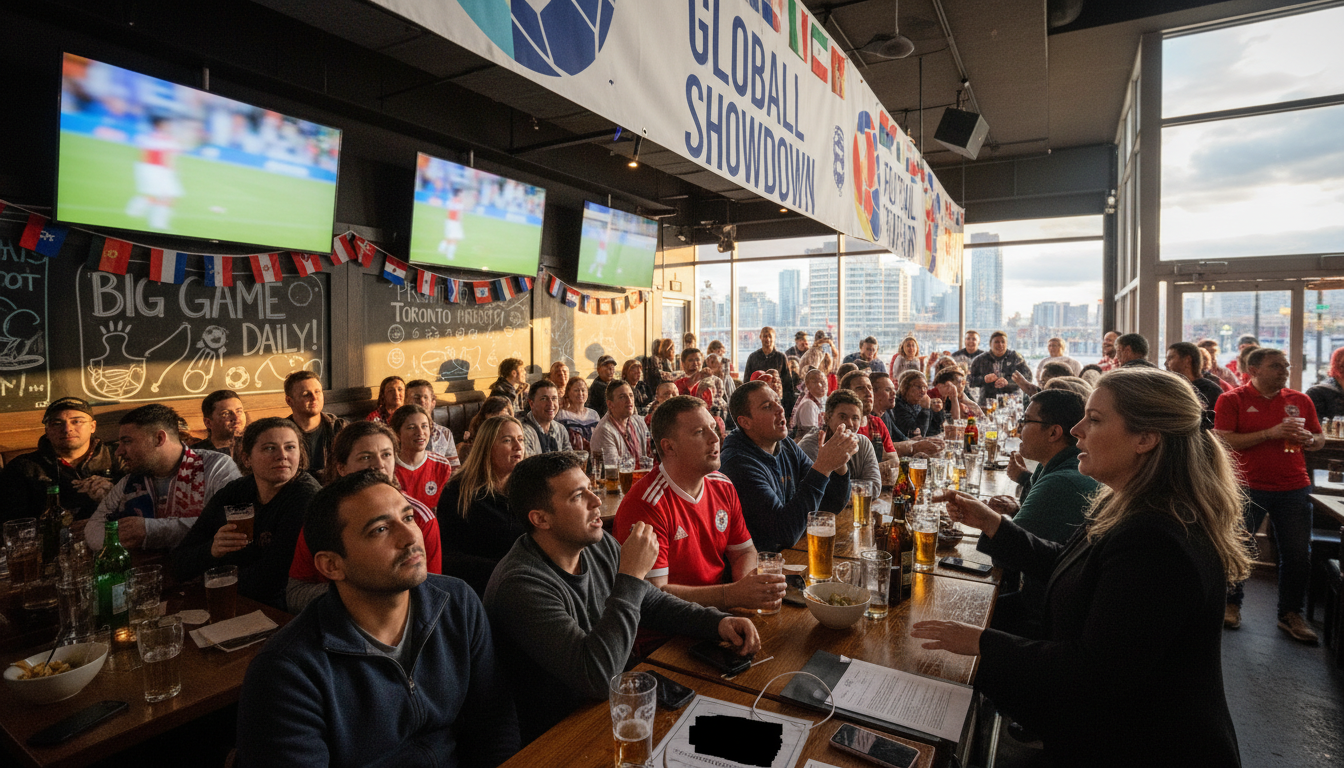
Toronto hospitality venues are preparing to host fans for World Cup screenings, but strict enforcement of FIFA’s trademark and broadcasting rules is putting business owners on edge. Cafés and bars across the city are seeking clear guidance on how to advertise that they will show World Cup matches without infringing on protected logos, phrases or broadcast rights. With the tournament weeks away, operators say they need practical rules they can apply to chalkboard signs, social posts and window posters.
Local businesses confront legal limits on promotions
Many owners say the central problem is communication: they want customers to know a match will be shown, but FIFA’s brand-protection rules prevent the use of official wording and imagery. The league’s agreements with host cities and official sponsors reserve certain marks and terms for exclusive commercial use, leaving independent establishments uncertain about what they can display. That uncertainty has led some operators to avoid explicit promotion altogether for fear of enforcement or legal exposure.
Owners report inconsistent messages from rights holders and a scarcity of simple, enforceable guidelines for small venues. Some have been told they may continue ordinary business activities but cannot “target” the competition to derive promotional advantage without a licence. For a small neighborhood bar, that distinction can be difficult to translate into everyday marketing decisions.
Cafe Diplomatico outlines workaround and licensing plan
Owner Rocco Mastrangelo of Café Diplomatico in Little Italy said he is determined to welcome large crowds for screenings and has developed contingency plans. Mastrangelo has discussed partnering with a brand that holds approved FIFA rights to avoid using protected marks directly, and he is exploring the option of obtaining a public-viewing licence to formalize permission. He said those steps are intended to allow clear messaging to customers while satisfying the event’s intellectual property requirements.
Mastrangelo emphasized that acquiring partners or licences involves cost and paperwork that many small venues will struggle to absorb. He warned that without affordable, accessible options, smaller cafés and bars may miss the business opportunity the World Cup presents or resort to unclear, coded promotions that confuse patrons.
City of Toronto offers webinars and host-city agreement context
The City of Toronto has begun holding webinars for merchants to explain what is and is not permitted under the host-city agreement and FIFA’s intellectual property rules. Sharon Bollenbach, director of the Toronto World Cup secretariat, said the city is working with business associations and community groups to provide guidance and resources ahead of the tournament. The sessions aim to clarify the distinction between ordinary commercial activity and promotional use that could infringe trademark protections.
Bollenbach noted that Toronto’s obligations as a host include measures to protect sponsors’ investments and the event’s commercial partners, which in practice constrains how official marks and imagery may be used within the city. City officials said they are seeking to balance franchise obligations with practical support for independent businesses that want to participate in fan culture.
Councillor and marketing experts flag risk of coded advertising
Ward councillor Josh Matlow warned that prohibitions on phrases like “World Cup” or the use of official logos could push establishments toward coded language that leaves customers uncertain. He said many owners do not know whether writing “Coupe du monde” or placing a flag outside is acceptable, and that ambiguity risks creating unequal enforcement across neighbourhoods. Matlow called for clearer, easily shared examples of permitted and prohibited promotions.
Marketing consultant Ray Lalonde, a former senior marketing executive in Canadian sports, suggested practical alternatives such as advertising specific match pairings or “watch parties” without naming the tournament. Lalonde argued venues could say “Spain vs. Italy — match on big screen” or similar notices to convey a screening is planned without invoking protected marks. He also stressed that sponsors pay to protect their rights, so the economic rationale behind strict branding rules is strong.
Economic reasons behind FIFA’s tight brand control
Experts say the principal driver of FIFA’s tight control is economic: official sponsors and broadcasters pay significant sums for exclusivity, and rights protection ensures that investment is not diluted. That commercial logic extends to many major sports organisations, which routinely limit third-party use of event names, logos and audiovisual feeds. Observers point to similar restrictions in other leagues, where terms such as “Super Bowl” are tightly regulated and enforcement actions have followed when unauthorised uses appear.
Incidents in Toronto in recent seasons illustrated the consequences of relaxed use of team marks, including a dispute involving a local restaurant and a major league baseball club. Those episodes have heightened awareness among small-business owners that informal or improvised promotions can attract complaints from rights holders and sponsors seeking to protect their investments.
Public-viewing licences and approved brand partnerships present legal routes for neighbourhood venues to participate, but business owners say they need clearer pricing and simpler application processes. Without that support, many fear they will have to choose between remaining silent about screenings or risking enforcement by using restricted language or images.
With match dates approaching, Toronto’s hospitality sector is asking for straightforward, practical rules that allow fans to gather and local businesses to benefit without running afoul of FIFA’s intellectual property protections.
City officials say additional guidance and resources will be published ahead of the first fixtures to help venues advertise responsibly and host public watch parties.
