
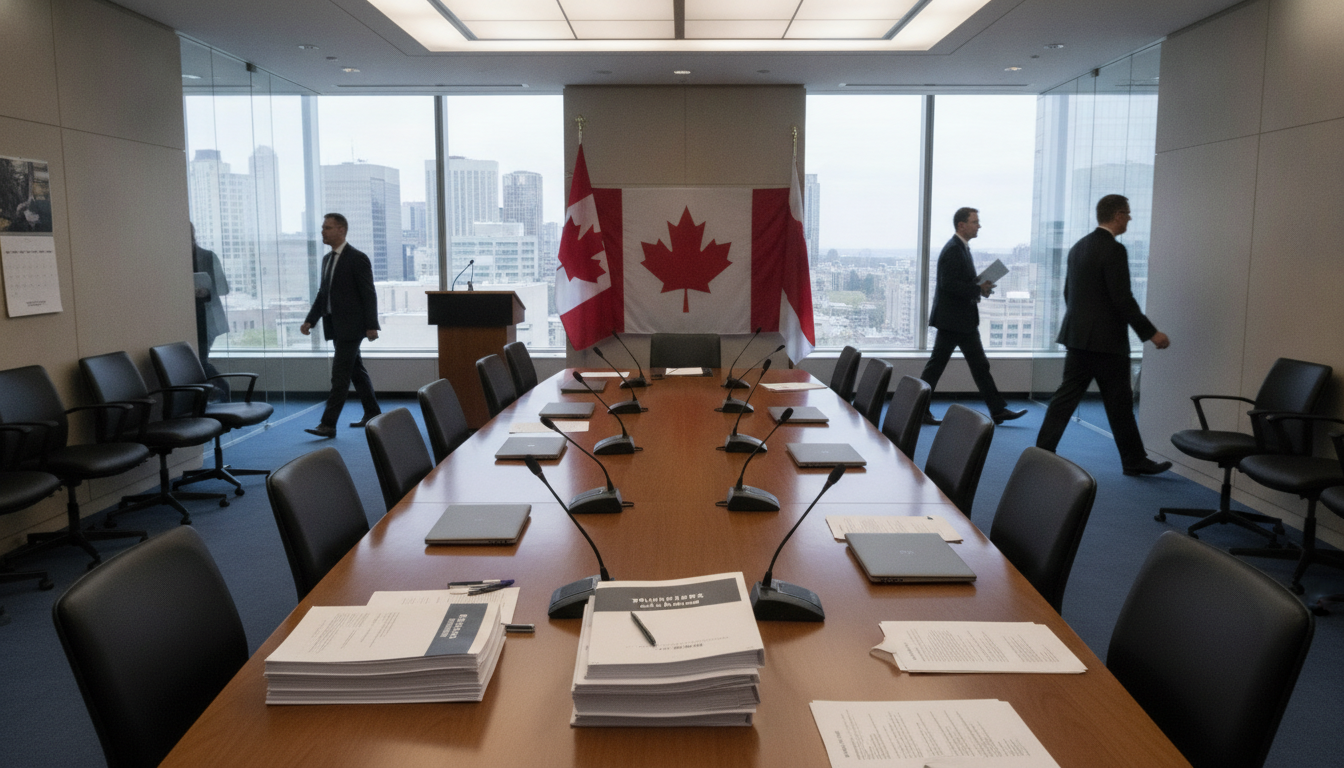
BST report finds oversight gaps after Titan submersible implosion off Newfoundland
BST report finds systemic safety and oversight gaps after the Titan submersible implosion off Newfoundland, issuing six recommendations to federal regulators.
The Transportation Safety Board of Canada (BST) says the Titan submersible operated in Canadian waters without effective federal monitoring, and that fragmented information sharing prevented a full assessment of risks. The independent agency released a 152‑page report on June 17, 2026 — the eve of the third anniversary of the June 18, 2023, implosion — and set out six recommendations to close regulatory and technical gaps. The findings name both systemic shortcomings in federal oversight and design and management failures at OceanGate, the vessel’s operator.
BST identifies fragmented federal oversight
The report concludes there was a lack of structured information exchange among federal departments, which impeded Transport Canada’s ability to gather the data needed to evaluate submersible operations. For the class of commercial vessels that includes tourist and research submersibles, Transport Canada relies on risk‑based inspections and visits, but the BST found those measures did not capture the full scope of activity. Although officials were aware that the Titan operated from St. John’s, Newfoundland, it did not receive targeted surveillance from Transport Canada before the accident.
Six recommendations to strengthen safety
In its report, the BST proposed six formal recommendations aimed at fixing regulatory gaps, updating technical standards for submersibles, and bolstering oversight of vessels operating in Canadian waters. BST Chair Yoan Marier stressed that the recommendations should not be treated lightly and framed them as measures to prevent similar tragedies. The board also urged the federal government to implement formal procedures for interdepartmental collaboration and for sharing operational information across agencies.
Titan’s activity in Canadian waters outlined
Between 2021 and 2023 the Titan made multiple descents in Canadian waters, including seven recorded dives inside Canada and three within the country’s exclusive economic zone. The BST report states the submersible and its launch platform lacked registration and certification in Canada or any other jurisdiction during several of those expeditions. Other privately operated submersibles with paying passengers have also dived off Canada’s coasts, some properly documented and others not, underscoring the patchwork nature of current oversight.
Design and management issues at OceanGate
The BST’s investigation faults OceanGate for engineering and safety shortcomings, noting the company did not follow accepted engineering practices for the Titan’s design. The agency found that the carbon‑fibre hull experienced progressive degradation that ultimately contributed to the implosion. Internal dynamics at OceanGate — including departures and dismissals of staff who raised safety concerns — also undermined robust risk management, the report says, and at least one former operations director filed a complaint with the U.S. Occupational Safety and Health Administration.
Key dates and investigative milestones
The Titan descended toward the wreck of the Titanic on June 18, 2023, and communication was lost about 90 minutes into the dive when the vessel suffered a catastrophic implosion. On June 19, 2023, Canadian military sensors detected underwater sounds that investigators described as possibly linked to the submersible. By June 22, OceanGate confirmed the five people on board had died; no bodies were recovered. The BST alerted Transport Canada in a June 13, 2024 letter about risks posed by unregulated submersible operations, and in August 2025 the U.S. Coast Guard released a separate investigation that assigned responsibility for the accident to OceanGate.
Regulatory response and industry implications
The BST report places the ultimate responsibility for enforcing maritime safety standards with the federal government while underscoring that safety is a shared responsibility among operators, regulators and industry experts. Yoan Marier urged Ottawa to act to ensure that information‑sharing protocols and supervisory practices are strengthened, particularly for vessels that carry passengers on deep‑sea excursions. OceanGate has suspended its commercial and exploration activities since the accident, and the BST’s recommendations set a timeline for federal agencies to address technical standards and oversight procedures.
The report’s publication on the eve of the third anniversary of the Titan disaster renews calls from safety advocates for more robust regulation of submersibles and clearer lines of authority among federal departments. Implementing the BST’s six recommendations will be a test of Canada’s capacity to adapt maritime oversight to emerging private‑sector ventures that operate close to Canadian jurisdictional waters.
