
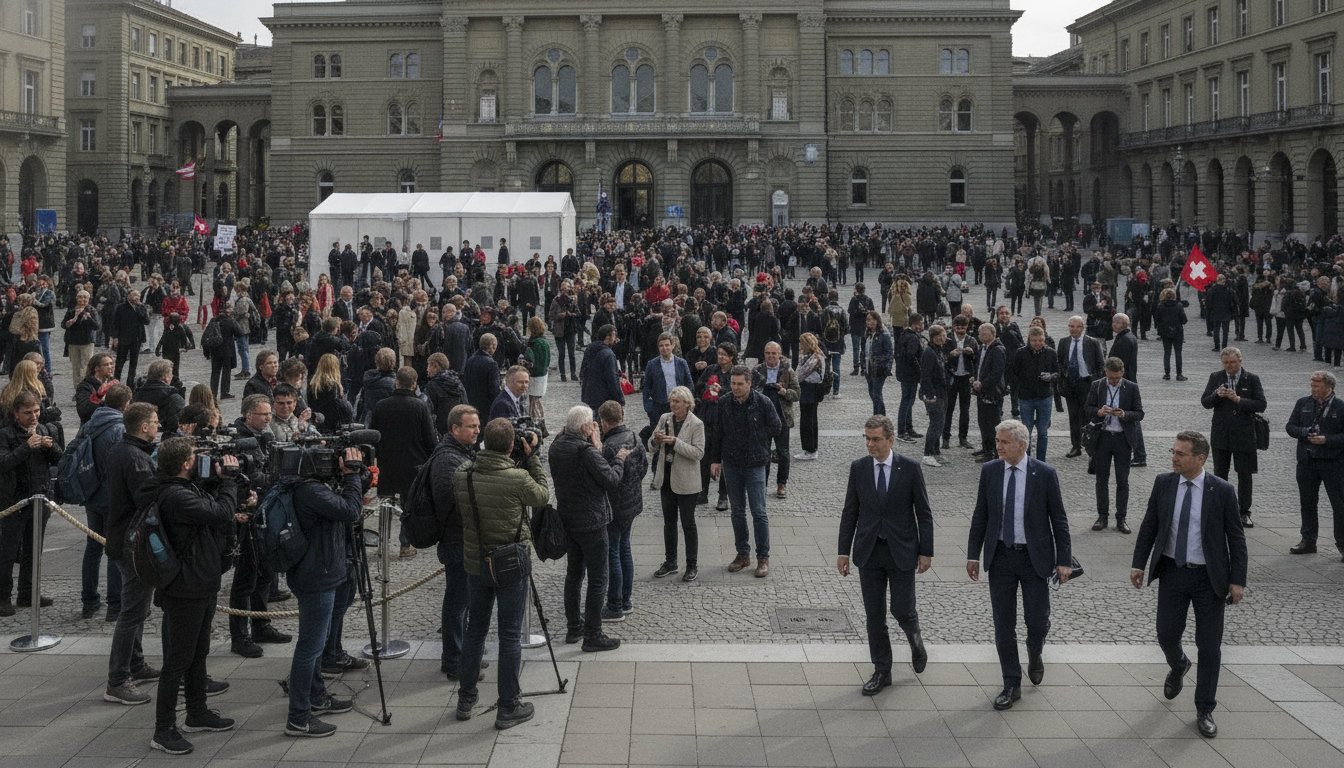
Swiss referendum on limiting Switzerland’s population to 10 million divides voters ahead of June 14 vote
Swiss voters head to the polls June 14 on a proposal to limit Switzerland’s population to 10 million, sparking debates over migration, jobs and ties with the EU.
Switzerland will hold a nationwide referendum on June 14 on a citizens’ initiative to limit Switzerland’s population to 10 million, a proposal that has polarized political parties, trade unions and communities across the country.
Supporters say the measure would protect public services and housing; opponents warn it would strain the labour market and rupture long-standing agreements with the European Union.
Vote mechanics and what the initiative would impose
The initiative, titled “No Switzerland at 10 million! (initiative for sustainability),” asks voters to instruct the government to take staged measures when population thresholds are reached.
Under the plan, authorities would be required to act at a first trigger of 9.5 million and take further steps if the population reaches 10 million, with campaign material suggesting the threshold could be met around 2050.
Campaign heat in Bern and grassroots activity
In Bern, activists for both sides have intensified outreach in the referendum’s final days, with union organiser Vania Alleva distributing leaflets urging a “no” vote on behalf of UNIA.
On the other side, UDC (Swiss People’s Party) figures such as Michaël Buffat have pushed the initiative as a necessary response to rapid population growth, housing pressure and perceived strains on employment.
Party positions and the balance of political power
The initiative has drawn an unusual partisan divide: the UDC champions the measure, while the major centrist and left parties — including the Free Democratic Party (PLR), the Social Democrats (PS), the Centre, the Greens, the Green Liberals and the Evangelical People’s Party — have recommended rejection.
That split leaves the referendum framed less as a classical left-right vote and more as a contest between anti-immigration sentiment and concerns about rights, labour needs and international obligations.
Economic consequences and concerns about workforce shortages
Proponents of the measure argue it will improve quality of life by easing pressure on housing and public services, and say immigration has adverse effects on job prospects for older workers and youth.
Experts warn the converse risk: restricting the free movement of people or curbing family reunification could make Switzerland less attractive to skilled workers and worsen labour shortages in healthcare, engineering and agriculture.
Potential diplomatic fallout with the European Union
A central feature of the initiative is its linkage between reaching the population cap and renegotiating Switzerland’s agreements with the European Union, including the free movement of persons.
Scholars caution that approval could open years of tense negotiations or reciprocal measures, complicating ongoing talks over a broader package of bilateral accords known in Swiss public debate as “Bilaterals 3.”
Regional and social cleavages shaping voter choices
Polling during the campaign has shown a patchwork of regional sentiment: strong rejection in French-speaking cantons, a near-even split in German-speaking areas and comparatively more support in Italian-speaking regions.
Voices from rural communities illustrate the nuance: some farmers say a population cap would protect local services, while others — including multi-generation farming families — argue restrictions would not solve structural problems and that migrant labour will remain essential.
The outcome of the June 14 referendum remains uncertain, with surveys placing the camps close enough that turnout and regional swings could decide the result.
Whichever way voters decide, analysts predict the debate over migration, labour policy and Switzerland’s relationship with the EU will continue to shape Swiss politics and public policy for years to come.
