
Barreau legal clinic hit by 40% no‑show rate as students perform mock consultations
High absenteeism at the Barreau legal clinic is forcing Quebec law students into mock consultations, raising questions about access to justice and training.
The Barreau legal clinic has faced a surge in missed appointments this winter, with internal figures showing more than 40 percent of scheduled clients failing to attend. The shortfall has left many of the roughly 700 law students enrolled in the clinic conducting staged or recycled files instead of meeting real clients, according to reporting by Radio‑Canada and interviews with participants. The development has renewed concerns about both the clinic’s impact on public access to legal advice and its value as a hands‑on training experience.
Students forced into staged consultations
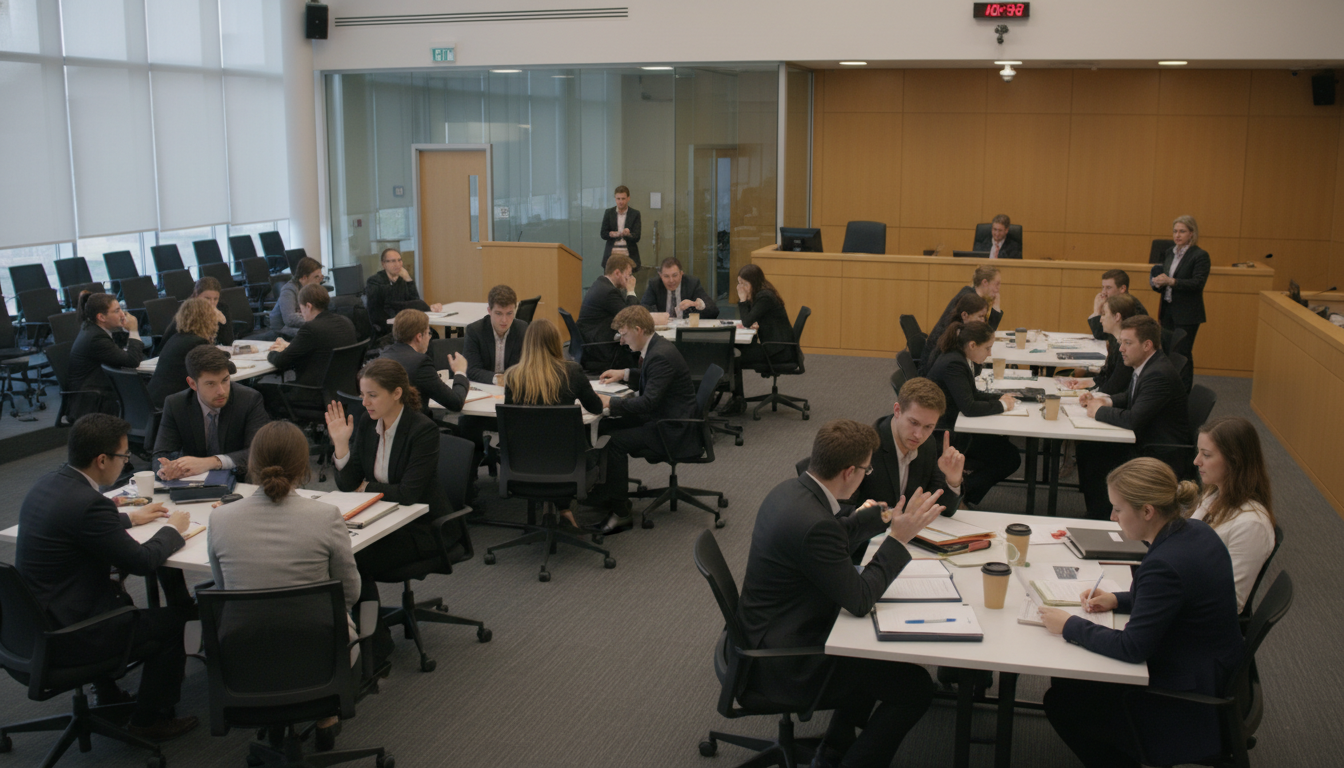
Many students said they were assigned to consultations where a classmate or supervisor acted as the client after the actual person failed to appear. Several told Radio‑Canada they completed multiple simulated interviews during a single term, reducing opportunities to handle live legal problems. One student reported seeing no real clients during the winter session, while another said only three of eight scheduled matters involved actual members of the public.
The practice of using anonymized, recycled case files is part of the clinic’s fallback when demand is low or appointments are missed. Students and some supervisors play the client role so coursework can continue, but those involved say the encounters lack the unpredictability and emotional context of real client work.
Clinic created to expand access and train future lawyers
The Barreau of Quebec launched the clinic in 2023 with two clear objectives: broaden access to justice across the province and give graduating law students live client contact before they enter practice. Provincial officials at the time framed the initiative as a step toward a more modern and accessible justice system, and the clinic became a mandatory element of the Bar School curriculum.
The clinic’s services are offered free to clients, while participation is a required and fee‑based element of professional training for students. Organizers describe the program as filling an important public service role while also providing experiential learning designed to improve interviewing, client management and communication skills.
High absenteeism documented in winter 2026
Administrative data obtained by Radio‑Canada showed the winter 2026 session was marked by a striking increase in no‑shows, with more than 40 percent of clients failing to attend booked appointments. By contrast, the autumn 2025 session recorded an absentee rate of about 22 percent, indicating a sharp deterioration in engagement. The Barreau reported that 1,375 clients were served during winter 2026, but that figure sits alongside the larger proportion who did not keep bookings.
Students described long waits between request and appointment in some cases, saying delays sometimes stretched into months. Organizers acknowledged that scheduling lags exist and told students they were working to shorten assignment times, but they declined to provide a precise average wait time in response to direct questions from reporters.
Administrative problems increased use of clinical files
Beyond client absenteeism, the school distributed a substantial number of so‑called clinical files that were fictive or recycled from previous matters. Records indicate 160 clinic files were assigned at the start of winter 2026, and an additional 483 files were handed out in early February due to an unspecified administrative issue. By comparison, only two such files were distributed in autumn 2025.
When a scheduled client fails to appear, their file is frequently converted into a clinical file and used for training. Students and some supervisors then enact the case, which organizers say preserves learning objectives but which critics call an inferior substitute for live client work.
Students say pedagogical gains are diminished
Several students interviewed for this report questioned whether staged consultations deliver the same educational benefits as interactions with actual members of the public. They argued that simulated encounters limit exposure to the stress, vulnerability and spontaneity that characterize many real legal consultations. One student likened the experience to a poor theatrical exercise and said they left the clinic disappointed in the practical value of the term.
Others, however, said they still derived useful skills from the exercises and cited the opportunity to practice procedure and documentation. A small number of participants reported a generally positive experience but acknowledged the imbalance between scheduled appointments and real client meetings undermined the program’s aims for many cohorts.
Barreau response and steps under way
The Barreau of Quebec acknowledged students’ disappointment and said it is taking the issue seriously. In communications to students, the school said it intends to optimize assignment timelines and has begun implementing telephone reminders to confirm client attendance. The Barreau also maintained that the learning objectives are met whether a student works on a real or clinical file and stressed efforts are ongoing to improve follow‑up and scheduling.
Reporters requested additional detail about causes of the absenteeism and the average wait time for a consultation but received limited responses. Organizers declined to answer some questions on the record, instead emphasizing that multiple measures are being deployed to address the problem.
Access to legal help and the quality of experiential training both hinge on consistent public engagement with the clinic’s offerings. As the Barreau moves to tighten procedures and reduce delays, students and public‑interest advocates will be watching whether those changes restore the balance between serving clients and preparing tomorrow’s lawyers.
