
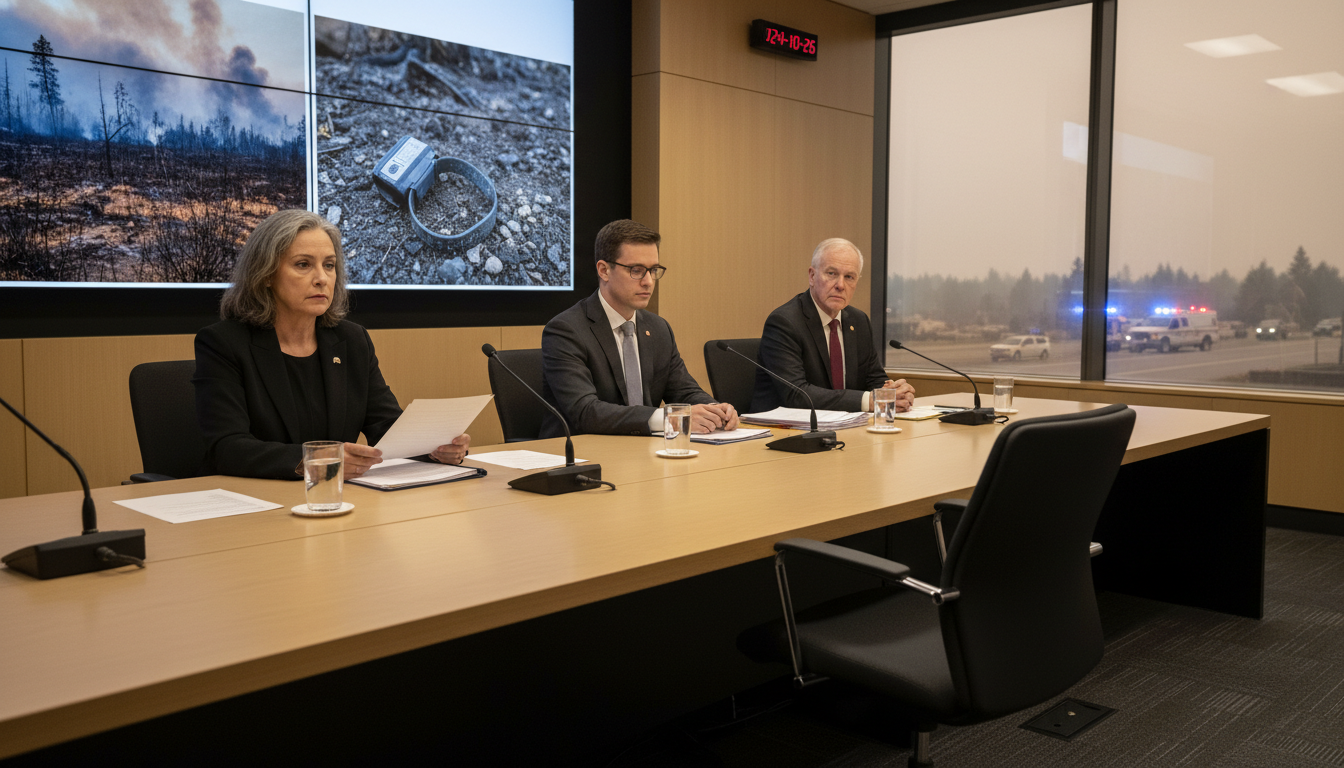
Breach of curfew, proximity to fire prompt review board to flag community risk
A review board said a breach of curfew and being seen near a late-night fire "materially increases concern" that an individual’s risk is no longer manageable in the community, even though no new criminal charges have been laid. The decision, which notes the person denies involvement, underscores that the board does not need a fresh criminal charge to take action. The ruling raises questions about supervision conditions, community safety, and the threshold for stricter oversight.
Board cites curfew breach and presence near fire
The board’s written decision highlighted a specific curfew condition that was violated, and it pointed to observation of the individual in close proximity to a fire scene late at night. The panel concluded those factors combine to raise the level of concern about manageability in the community. The decision stressed that a denial of involvement and the absence of new charges do not prevent the board from reassessing risk.
Board emphasises preventative authority without new charges
In explaining its authority, the decision said the board is not required to wait for new criminal conduct before acting. That language reflects a preventative approach in which supervisory bodies can impose or tighten conditions to address emerging risks. The wording is notable because it draws a clear distinction between criminal prosecution and administrative supervision.
Supervision conditions and community safety dynamics
Curfew and location restrictions are common supervision tools intended to reduce opportunities for reoffending and to facilitate monitoring. When those conditions are breached and the supervised person is observed near a potentially risky situation, boards weigh whether continued community release remains appropriate. The decision underlines how boards balance the individual’s rights with the need to protect public safety.
Legal advocates and civil liberties concerns
Observers warn that administrative action without new charges can raise civil liberties questions if applied without clear standards. Critics say decisions must be transparent and proportionate, with options for the supervised person to contest findings and present evidence. Supporters counter that boards must have latitude to prevent harm and respond to behavior patterns suggestive of increased risk.
Impact on supervision practice and transparency demands
Cases like this tend to prompt calls for clearer guidance on what constitutes sufficient evidence of heightened risk and when stricter measures are warranted. Stakeholders often ask for more detailed reasoning to be recorded in decisions, and for timely disclosure of the facts used to justify changes in supervision. Enhanced transparency can help the public understand why a board chose precautionary action absent new criminal charges.
Community relations and risk communication
How a board communicates decisions affecting public safety influences public confidence in supervision regimes. Clear public-facing explanations, where confidentiality permits, can reassure communities while protecting privacy. Conversely, opaque processes can sow confusion and mistrust, especially when a decision involves visible incidents such as a late‑night fire.
The board’s determination that a breach of curfew and proximity to a fire scene materially increase concern about manageability highlights the tension between preventive oversight and procedural safeguards. The decision demonstrates the practical effect of supervision conditions and the standards review bodies apply when assessing evolving risks.
