
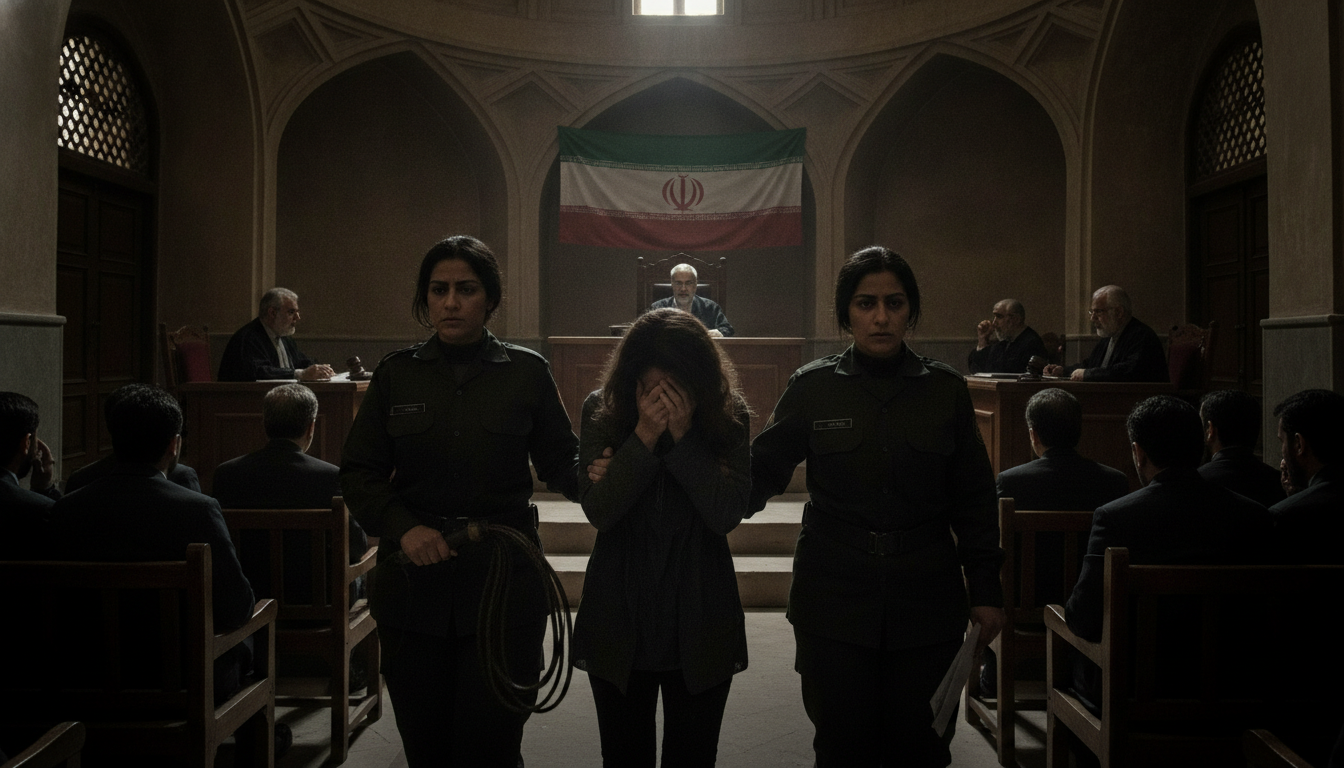
Iranian Singer Parastoo Ahmadi Sentenced to 74 Lashes for Performing Without Hijab
Iranian singer Parastoo Ahmadi was sentenced to 74 lashes after performing without a hijab, her family and state media reported on June 23, 2026, highlighting tensions over dress laws and artistic expression.
Parastoo Ahmadi, an Iranian vocalist, was handed a sentence of 74 lashes for performing without a hijab, according to a person close to her family and state media reports published June 23, 2026. The punishment was linked to a public performance in which she appeared without head covering, a violation of Iran’s compulsory dress code for women. The report has generated fresh debate inside and outside Iran over the enforcement of morality laws and the treatment of artists.
Court Sentence and Official Accounts
A person close to Ahmadi’s family relayed details of the sentence to media outlets, and state-affiliated news organizations published similar accounts on the same day. The figure of 74 lashes was cited consistently in those reports as the corporal component of the penalty. No comprehensive official court transcript has been released publicly by Iranian judicial authorities in the immediate aftermath.
Performance and Allegations
Authorities said the punishment related directly to Ahmadi’s appearance during a performance where she did not wear a hijab, a requirement under Iran’s mandatory dress regulations for women in public. Supporters of Ahmadi have described the performance as part of her artistic work, while state reporting framed it as a breach of public morality rules. Details about whether other penalties—such as fines or travel restrictions—were imposed were not included in the initial family and media statements.
Legal Framework Underpinning the Sentence
Iran enforces compulsory hijab rules under laws and regulations tied to public morality, and its penal code authorizes certain corporal and criminal penalties for breaches deemed to undermine public decency. Courts and morality police have, in past years, applied a range of sanctions including fines, detention and lashes for similar offences. Legal experts and human rights observers note that punishments of this nature are part of a broader system of enforcement that has drawn criticism from international rights bodies.
Reactions from Rights Groups and Cultural Figures
Human rights organizations have consistently condemned the use of corporal punishment, describing it as a violation of international human rights standards, and cases like Ahmadi’s typically draw immediate criticism from rights advocates. Artists and cultural figures within Iran and in the diaspora often express concern that such sentences chill artistic freedom and limit women’s ability to perform publicly. Reaction in the hours after the reports was mixed, with calls from some quarters for legal review and from others for enforcement of established codes.
Domestic Impact and Public Debate
The case is likely to intensify an already active domestic debate in Iran over women’s dress codes and the boundaries of cultural and artistic expression. Over recent years, public demonstrations, social media campaigns and legal challenges have repeatedly brought the issue of compulsory veiling into the national spotlight. Observers say high-profile sentences tend to prompt renewed discussions among activists, artists and ordinary citizens about how moral laws are enforced and whether legal reforms are possible.
Regional and International Implications
Beyond Iran’s borders, sentences involving corporal punishment frequently draw attention from foreign governments, international organizations and diaspora communities, prompting statements that range from calls for restraint to demands for judicial transparency. Such responses can increase diplomatic pressure and feed media coverage that amplifies scrutiny of Iran’s human rights record. Analysts caution, however, that international reaction rarely results in immediate legal change inside Iran, making domestic legal and social dynamics the decisive factors.
The sentencing of Parastoo Ahmadi to 74 lashes for performing without a hijab, as reported on June 23, 2026, underscores ongoing tensions between state enforcement of moral codes and the demands of artists and rights advocates for greater personal and cultural freedoms.
