
Gunfire in Mogadishu Shakes Capital as Residents Flee Amid Clashes
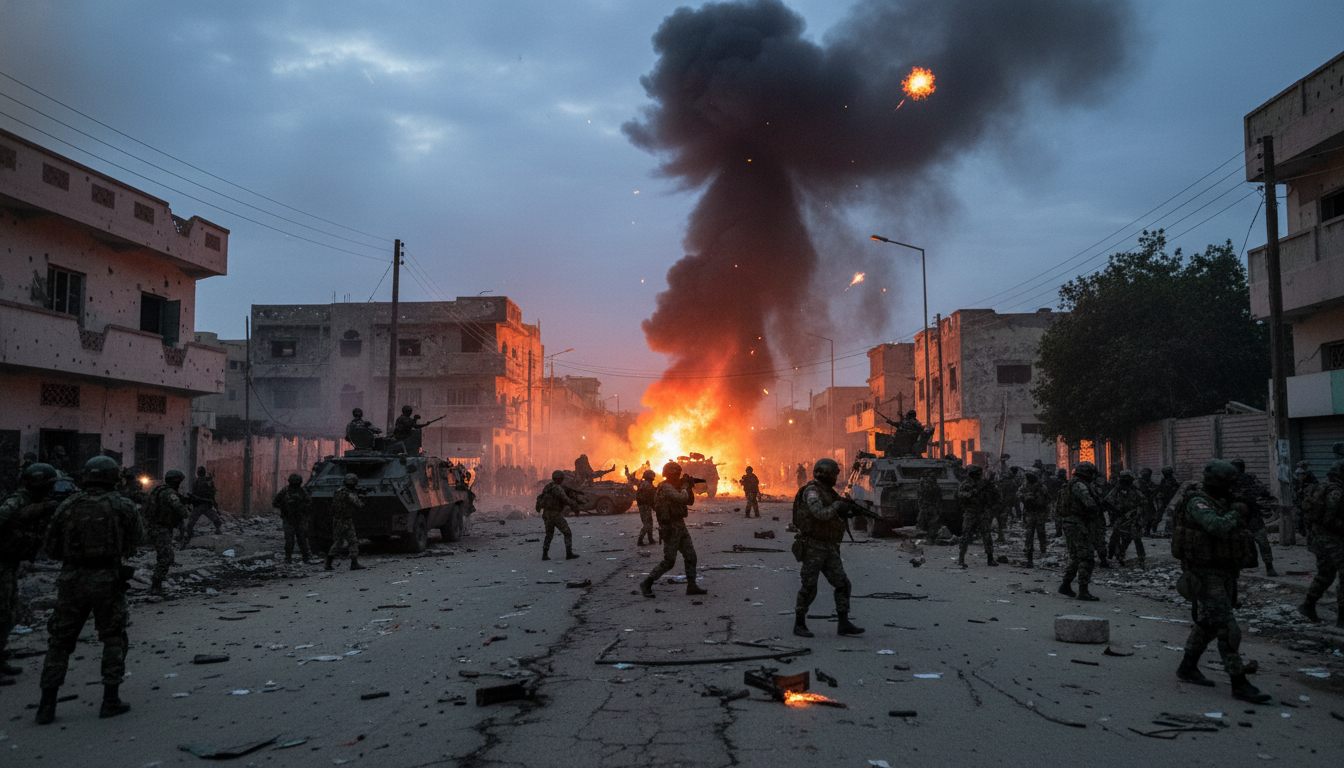
Gunfire in Mogadishu: Clashes on June 4, 2026 between government forces and militia groups sent civilians fleeing; officials had not reported casualties.
Residents in several districts of Mogadishu reported sustained exchanges of gunfire and explosions on Thursday, with sounds described as rocket-propelled grenades and heavy small-arms fire. Armored vehicles were seen on city streets by local witnesses, and some families abandoned homes to seek safety elsewhere in the capital. There was no immediate public accounting of casualties or official statements confirming the scale of the fighting.
Heavy exchanges reported between government forces and militias
Witnesses in neighborhoods across Mogadishu described intense combat that began in the late morning and continued into the afternoon, according to residents reached by phone. Multiple witnesses said they heard bursts of machine-gun fire, detonations consistent with explosive ordnance, and the distinctive report of rocket-propelled grenades. Local accounts indicated that government troops moved to confront armed groups in contested areas of the city, but precise locations of the clashes remained unclear.
Eyewitnesses also reported the presence of military-style vehicles and checkpoints that appeared suddenly along some main roads, contributing to a tense atmosphere as residents attempted to navigate debris-strewn streets. Journalists in the city saw limited movement of civilians and intermittent traffic as people sheltered in buildings or fled toward less exposed neighborhoods. Communications in and out of several districts experienced interruptions, complicating efforts to confirm details.
Civilians flee homes as explosions rattle neighbourhoods
Many residents described hurried departures from their homes after explosions and sustained gunfire, carrying children and essential belongings as they moved toward temporary safety. Markets and schools in affected areas closed early and public transit was disrupted, according to accounts from local shopkeepers and parents. Some displaced people gathered in mosques and community centers, while others sought refuge with relatives in parts of the city perceived as safer.
Humanitarian sources in Mogadishu have repeatedly noted that even short episodes of violence can rapidly displace households and strain local resources, and Thursday’s clashes were expected to increase such pressures. The disruption to daily life was evident in quieter streets, shuttered businesses and the steady flow of pedestrians heading away from the worst-affected districts.
No immediate casualty tallies or official confirmations
As of Thursday evening there was no official public tally of casualties, and government spokespeople had not issued detailed statements confirming either the number of injured or the extent of material damage. Hospital sources in the capital often provide the first on-the-ground casualty estimates after such incidents, but some medical facilities were reportedly overwhelmed or operating under constrained conditions. Independent verification of injuries or fatalities was not available at the time of initial reports.
Authorities in Mogadishu traditionally issue security bulletins following major incidents, and such communications are expected to follow as officials assess the situation. In previous episodes of urban fighting, local and international organizations have urged immediate access to medical care and protection for civilians caught in crossfire.
Security backdrop: longstanding insurgency and urban fragility
Mogadishu has experienced repeated flare-ups of violence tied to armed groups challenging state control, with attacks targeting government positions and civilian areas alike. The capital’s security environment remains fragile, and isolated clashes can quickly escalate into broader confrontations that affect large swaths of the city. Military operations and counterinsurgency efforts over recent years have reduced some threats but have not eliminated the risk of sudden outbreaks of violence.
Analysts note that the urban setting complicates security responses, as densely populated neighborhoods and mixed-use streets increase the risk to non-combatants. The presence of armed groups that use asymmetric tactics—such as ambushes and indirect fire—adds to the challenge faced by security forces attempting to restore calm while minimizing civilian harm.
Humanitarian concerns and potential displacement surge
Humanitarian actors monitoring the capital warned that renewed urban fighting could precipitate a new wave of internal displacement and strain already limited services. Access to clean water, shelter and medical care is typically the most urgent need in the aftermath of such confrontations, and relief organizations often call for unimpeded corridors to reach affected communities. Even short spells of violence can prolong food insecurity and disrupt livelihoods for vulnerable families.
Local charities and community leaders frequently mobilize immediate assistance, but sustained support from larger aid organizations is often required when displacement numbers rise. Observers said that rapid assessment of needs and early coordination would be critical if reports of widespread displacement were confirmed in the coming days.
What to watch next in Mogadishu
Officials are expected to issue formal statements and casualty figures once security forces complete assessments, and hospital reporting may provide clearer information on injuries and deaths. Monitoring by journalists and humanitarian agencies will be necessary to track displacement patterns and identify urgent relief needs. International partners that follow developments in Somalia may also respond with appeals for calm and calls for protection of civilians.
For residents of Mogadishu, the immediate priorities are safety, shelter and access to medical assistance as authorities and aid actors work to establish the scope of damage and needs. The situation remains fluid and subject to rapid change as security operations and local dynamics evolve.
The coming hours and days will be crucial for determining the humanitarian impact and whether further measures are needed to protect civilians and restore order in the capital.
