
Kenyan court delays U.S. Ebola quarantine unit after mass protests at Laikipia Air Base
Kenya’s high court has effectively delayed the U.S. Ebola quarantine unit at Laikipia Air Base after days of protests, as locals and officials clash over health, sovereignty and safety concerns.
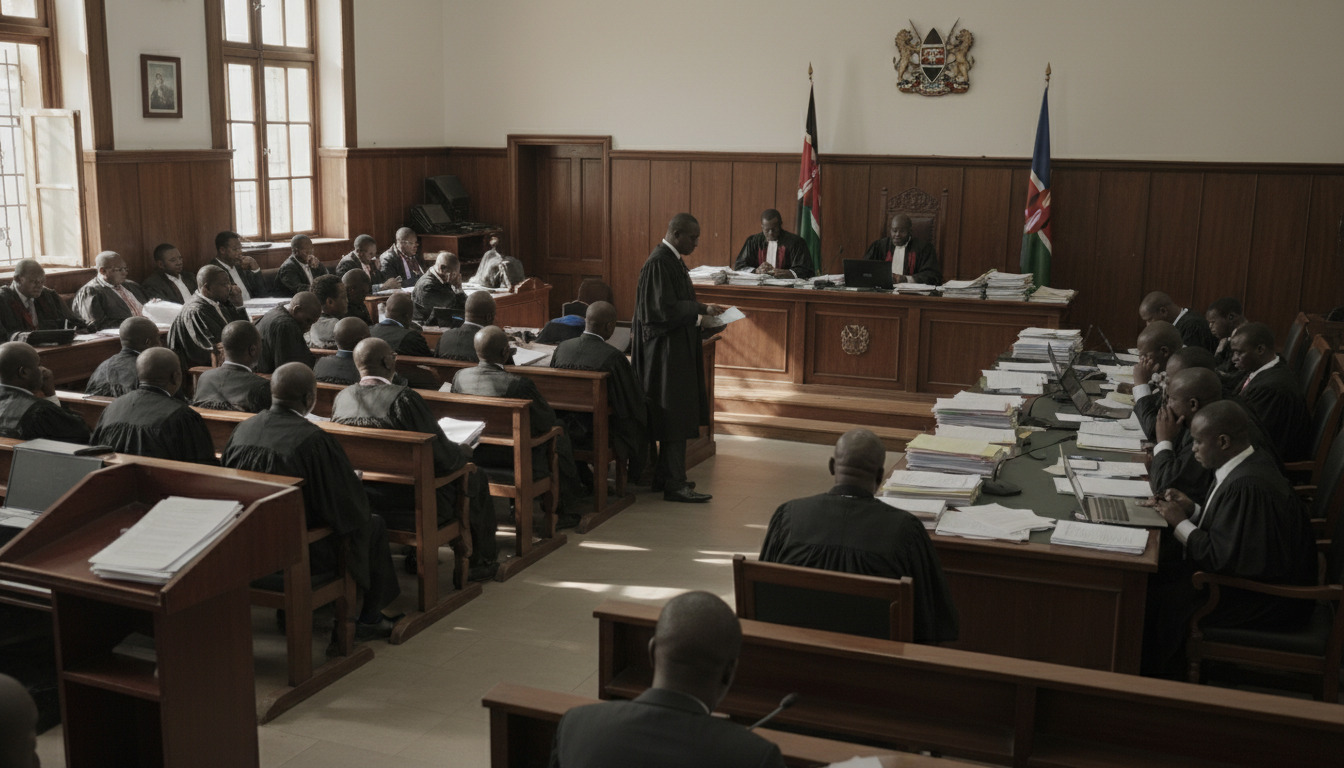
Kenya’s high court on June 2, 2026, issued an action that effectively paused plans to host a U.S. Ebola quarantine unit at Laikipia Air Base in central Kenya, court filings and local reports show. The move followed several days of large-scale demonstrations in which protesters said the facility would expose Kenyan communities to unacceptable risk. The planned unit, requested by the Trump administration, was intended to house American citizens who had been exposed to the Ebola virus.
Court action and immediate effect
The high court’s decision has the practical effect of delaying any transfer or construction linked to the U.S. proposal pending further legal review. Judges weighed petitions and public interest arguments that questioned the legality and transparency of the arrangement. Legal representatives for petitioners argued the government failed to follow required procedures and did not sufficiently consult affected communities before approving the plan.
Court documents and observers indicate the ruling is temporary but significant, forcing a diplomatic pause and leaving both Kenyan and U.S. officials to reassess next steps. Lawyers involved said the matter could return to court for a fuller hearing on constitutional and administrative grounds, prolonging uncertainty about whether the quarantine unit will ever be established.
Protests surge around Laikipia Air Base
In central Kenya, thousands of residents and local leaders gathered near Laikipia Air Base to protest the plan, raising concerns about public safety and economic vulnerability. Demonstrators carried placards and chanted against hosting foreign quarantine facilities, arguing the community lacks adequate health infrastructure to control any potential outbreak. Many protesters framed the issue as one of national dignity and risk, saying Kenya should not be asked to take on hazards that they felt undermined local well-being.
Organizers and participants emphasized economic fragility and limited health-system capacity as core reasons for opposition. Some community spokespeople said the site selection lacked clear public consultation and that local populations had not been provided with independent health assessments or binding safeguards.
Government and U.S. reactions
Kenyan officials had initially said they agreed to the arrangement as part of a partnership with the United States, describing it as cooperation between long-standing allies. Supporters of the plan argued it was a narrowly focused measure to protect American citizens exposed to Ebola, and that Kenyan authorities would retain oversight and responsibility for any facility operations on domestic soil. The U.S. government framed the request as a public-health containment measure linked to exposure management.
After the court action, both sides signaled a willingness to engage but offered few immediate details about alternative plans. Diplomatic channels appeared active as officials from Nairobi and Washington sought to manage the legal, logistical and public-relations fallout while addressing safety protocols and oversight mechanisms.
Legal, health and oversight questions
The dispute has raised important legal questions about emergency powers, foreign use of military bases and the statutory process for hosting foreign-controlled health facilities. Petitioners argued the government did not transparently follow domestic approval processes or adequately assess the risk to local communities. Legal experts say the case highlights tensions between executive agreements and constitutional procedures in cross-border health responses.
Public-health specialists and advocates called for greater clarity on infection-control protocols, evacuation plans and community protections. They noted that quarantine facilities must meet rigorous standards to prevent spread, maintain human rights protections and avoid stigmatizing affected communities. Health professionals also urged independent monitoring and publicly available safety assessments before any similar arrangement is reconsidered.
Regional and diplomatic implications
The controversy has reverberated beyond Kenya, prompting discussion across East Africa about how foreign public-health interventions are negotiated and communicated. Regional governments and health bodies may view the episode as a cautionary example of the need to balance international cooperation with national consent and community engagement. Analysts say the dispute could complicate future health partnerships if public trust is not rebuilt.
For U.S.-Kenya relations, the clash presents a diplomatic challenge: managing alliance commitments while respecting domestic legal processes and local sentiments. Observers noted that public perceptions of equity and transparency will shape whether similar cooperative measures gain traction in the future and how foreign partners approach epidemic containment in host countries.
As of June 2, 2026, the high court’s action has paused immediate implementation of the proposal and left the fate of the U.S. Ebola quarantine unit uncertain. Moving forward, government officials, health experts and community leaders will likely need to agree on greater transparency, legally sound procedures and clear safeguards if any new proposal is to proceed.
