
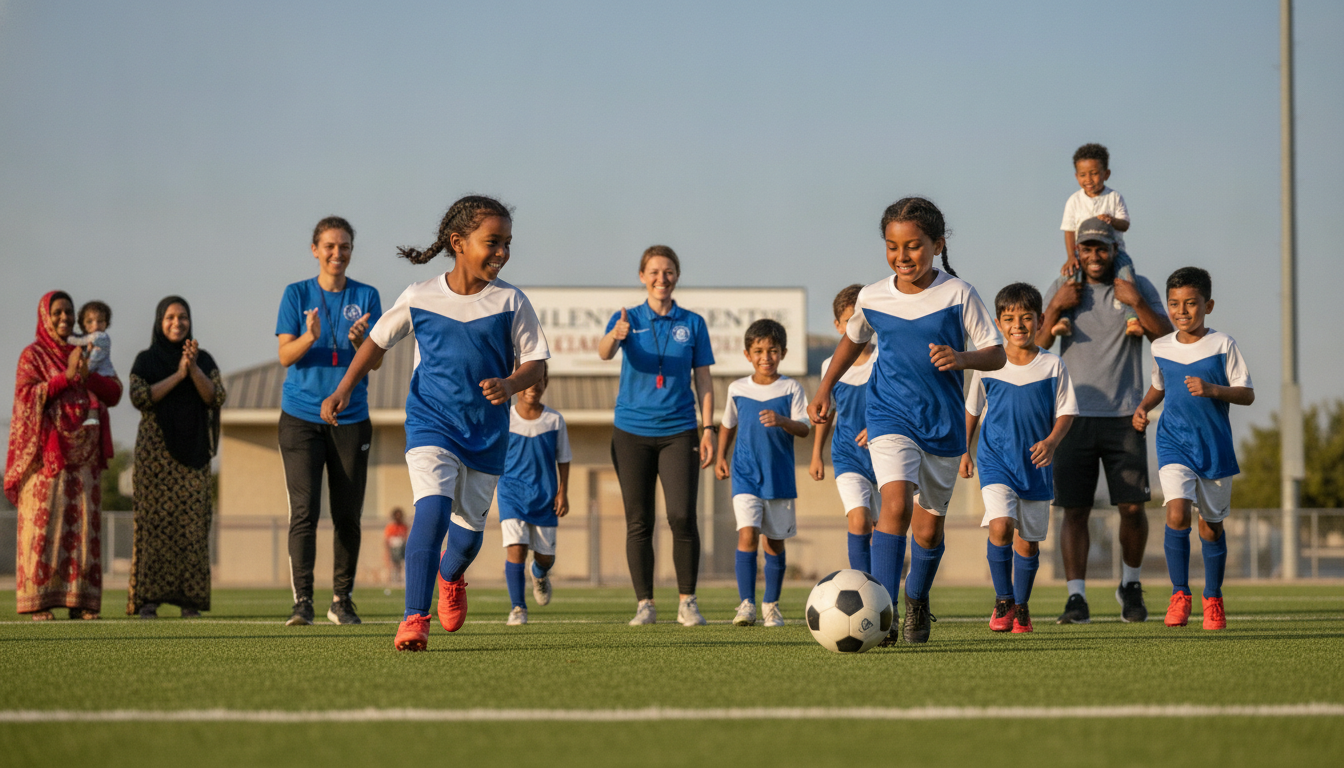
Community Sports Program for Newcomers Offers Hope and Opportunity Across Canada
Community sports program for newcomers expands access to youth sport across Canada, removing financial and geographic barriers and fostering belonging.
A new community sports program for newcomers aims to give immigrant and refugee families affordable access to organized youth sport while helping children and parents build social connections. Organizers say the initiative is designed to remove typical barriers — like cost, transportation and language — so participation is based on interest rather than income or address. Early rollouts in multiple municipalities report growing registration from families seeking safe, structured activities and opportunities to belong.
Program launch reaches multiple municipalities
The program began as a series of pilot sites coordinated with local recreation departments and settlement agencies, and has since grown to include further neighbourhoods. Each pilot focuses on introductory, low-cost programming tailored to children and teens new to Canada, emphasizing basic skill development and inclusive play.
Organizers prioritized locations with high concentrations of recent arrivals and limited access to affordable after-school options. They say programming hours, bilingual volunteer coaches and equipment libraries were chosen to reduce practical obstacles that often keep families from enrolling.
Removing financial and transportation barriers
A core feature of the initiative is fee relief or sliding-scale registration that eliminates the up-front cost for many families. Programs also loan sports equipment and offer subsidized transit or fleet shuttles where municipal routes are limited, making it easier for children to attend practices and games.
By removing those financial and geographic barriers, coordinators say the program levels the playing field so that desire and ability determine who takes part. The model also encourages community sponsors and donors to cover operating costs so municipal recreation budgets are not the sole funding source.
Support for families and social integration
Program staff emphasize that sport is a tool for more than physical activity; it helps families navigate settlement, learn community norms and build local networks. For parents who have moved continents, organizers say participation provides children with a sense of being heard and valued within their new communities.
Settlement workers and coaches report that regular attendance can accelerate language practice, create mentorship opportunities and reduce isolation for both youth and caregivers. Several families involved in early phases described the program as a first step toward feeling at home.
Partnerships with schools, settlement agencies and clubs
Delivery depends on partnerships with school boards, immigrant-serving agencies, local clubs and municipal recreation departments. These partners help identify children who would benefit most from free or subsidized spots and coordinate referrals that include transportation or language support.
Local sports clubs that provide access to fields, arenas and courts have agreed to open practice times and mentor volunteer coaches. Meanwhile, settlement agencies contribute cultural orientation and outreach, helping ensure information reaches newcomers in multiple languages.
Volunteer coaching and cultural competency training
Volunteers form the backbone of sessions, and organizers have invested in short, practical coaching courses aimed at cultural competency and child safety. These trainings teach volunteers how to work with translators, respect varying levels of prior sport experience, and approach coaching with sensitivity to trauma and loss.
Coaches report that lessons focus on inclusion, teamwork and confidence-building rather than competition in the early months. That approach reduces pressure on newcomers who may be unfamiliar with organized sport and helps foster positive relationships between families and community volunteers.
Tracking outcomes and plans to expand
Program managers track participation rates, retention over a season and anecdotal indicators of social connection to assess impact. Early metrics show steady enrollment increases and improved weekly attendance among families who initially registered for tryouts or drop-in sessions.
Planners say the next phase will scale successful elements to additional communities, refine transportation supports and pursue longer-term funding commitments. They are also exploring ways to link participants to established clubs for continued development when families are ready.
Community sport organizers argue that investing in these programs yields benefits beyond recreation: improved youth wellbeing, stronger neighbourhood ties and earlier integration into civic life. As municipalities consider how to support growing newcomer populations, advocates say accessible sport should be part of the settlement toolkit.
As interest grows, communities are being urged to contribute coaches, equipment or modest sponsorships to sustain and broaden access for newcomers seeking both play and belonging.
