
AI-assisted speechwriting used as a drafting tool, ministry says
Ministry spokesperson says AI-assisted speechwriting helps structure and refine drafts but stresses human review is mandatory before delivery.
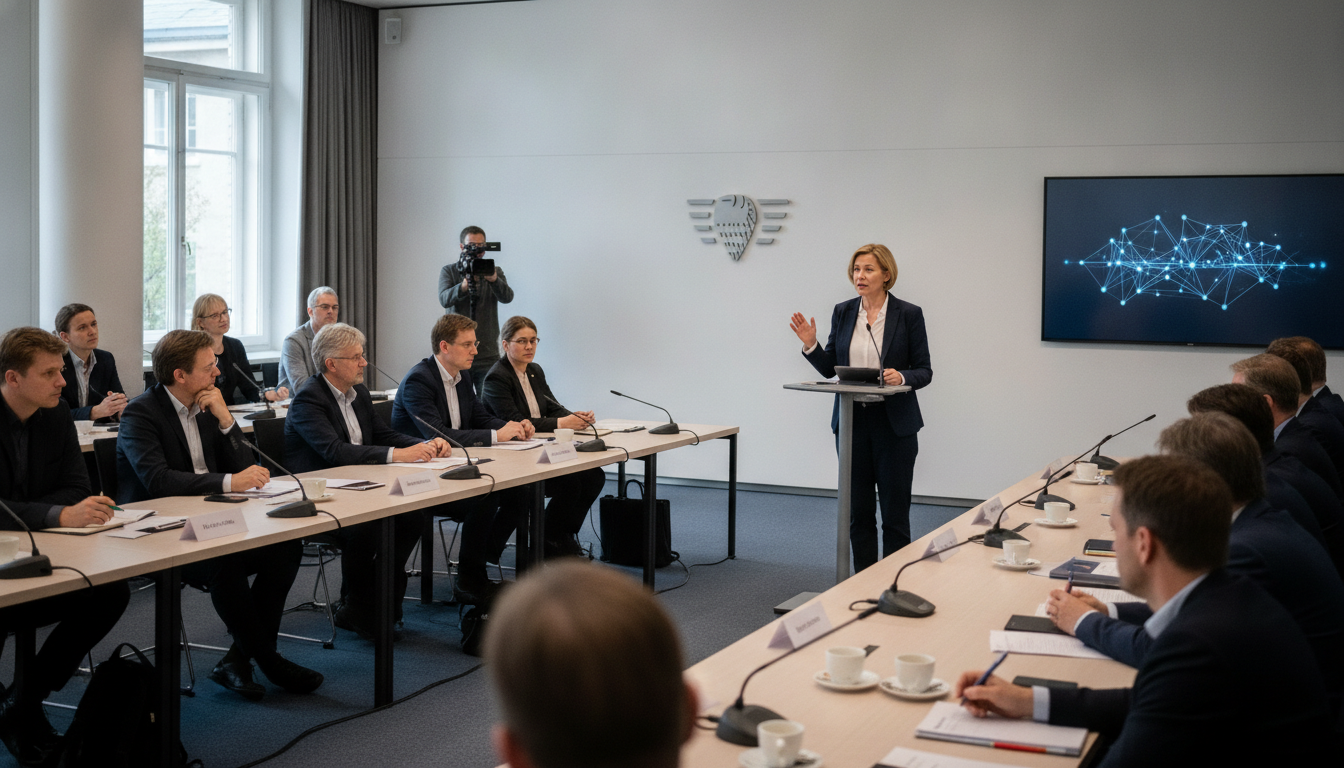
The ministry confirmed that speech preparation follows a staged process and that AI-assisted speechwriting is being used selectively as a drafting tool. A spokesperson described an initial pre-brief between the minister and the speech unit to define structure, impact and core messages. The speech office then prepares argumentation, language and overall flow, with AI available to test wording and tighten organization.
Ministry outlines speech preparation steps
The spokesperson said every speech begins with a targeted pre-meeting between the minister and the speech unit to set the purpose and the desired effect. This initial discussion establishes the speech’s structure, the key messages, and the tone the minister wishes to convey. Drafting responsibilities then move to the speechwriting team, which shapes argumentation and sequencing to meet those objectives.
AI used as a ‘sparring partner’ in drafting
Officials described AI-assisted speechwriting as a supportive step in drafting rather than an authorial shortcut. The tool is used to order thoughts, suggest alternative phrasings, propose cuts and sharpen a speech’s structure, according to the spokesperson. They emphasized AI’s role is limited to generating options and testing formulations, not producing final text without further human input.
Human review remains the decisive safeguard
The ministry stressed that all outputs from AI-assisted speechwriting must be checked and validated by people before they are used. Human reviewers are responsible for detecting factual errors, aligning tone with ministerial priorities and ensuring legal or policy constraints are respected. “Before anything is incorporated into a speech, a person must check, change and decide,” the spokesperson said, underscoring human accountability in the process.
Checks and responsibilities to prevent mistakes
Officials said the workflow includes explicit checkpoints to prevent inadvertent errors or inappropriate content from reaching public speeches. These safeguards include fact-checking routines, legal vetting where relevant, and internal approvals that require named officials to sign off on final text. The ministry portrayed these steps as essential to prevent reliance on AI outputs that may be mistaken or incomplete.
Transparency and accountability questions emerge
The admission that AI-assisted speechwriting is in use prompted questions about transparency, attribution and record-keeping from observers outside the ministry. Policy analysts note that clarity about when and how AI tools are applied helps preserve public trust and lets auditors trace the provenance of language used in official statements. The ministry’s insistence on human final approval addresses part of that concern but leaves open how the use of AI will be documented for oversight.
The ministry framed the approach as pragmatic: leveraging technology to improve drafting efficiency while keeping humans firmly in charge of content and decisions.
