
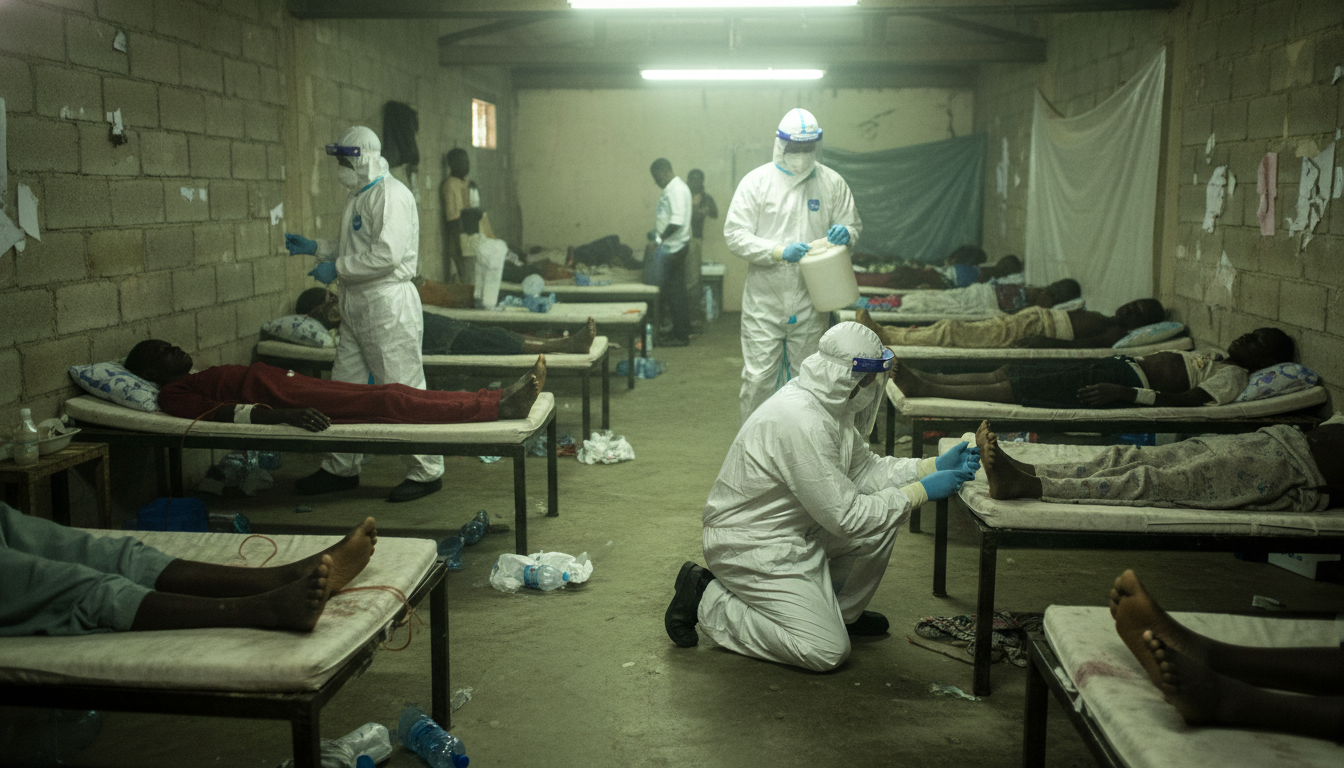
Ebola outbreak deepens as patients, including children, fill isolation ward in West Africa
A visiting reporter entered an Ebola ward on May 30, 2026, as the Ebola outbreak in the region intensified; patients of all ages were being treated and at least one recent death was recorded. The scene underscored mounting pressure on local clinics and the urgent need for strengthened infection control and community support.
Inside the Ebola ward
The ward was a cluster of white tents and sealed rooms where healthcare workers moved in layers of protective equipment, their faces hidden behind visors. Staff spoke in clipped tones and maintained strict spacing; the air was heavy with the protocols designed to prevent further transmission.
Patients lay on hospital beds separated by plastic sheeting, with monitors and IV lines among the minimal comforts. Both adults and children shared the facility, and staff said a patient had died within days, illustrating the outbreak’s severity.
Protective gear and infection-control challenges
Healthcare workers relied on full personal protective equipment, including impermeable suits, double gloves and N95 respirators, following international guidance. Donning and doffing stations were set up outside treatment areas, but staff described the process as time-consuming and physically draining in the region’s heat.
Shortages of supplies and trained personnel complicated infection control, according to staff on site. Even with strict procedures, crowded facilities and limited space for patient transfers increased the risk of nosocomial spread.
Treatment capacity under strain
Beds were in short supply and triage areas were operating around the clock to prioritize the most critical cases. Clinicians focused on supportive care—hydration, electrolyte replacement and symptom management—because specific antiviral treatments remained limited in availability.
Overwhelmed wards forced clinicians to make difficult decisions about resource allocation while attempting to maintain isolation protocols. Oxygen and intravenous fluids were in high demand, and logistical delays sometimes impeded timely delivery of supplies.
Children and family separation
Children accounted for a visible portion of admissions, many accompanied by distraught relatives who were forced to remain outside secure treatment zones. Separation policies, designed to reduce transmission risk, left families anxious and strained community support networks.
Staff described improvised measures to preserve human contact where possible, including short, supervised visits and the use of tablets or radios to relay messages. Psychosocial support teams worked to counsel parents and relatives, but resources were limited and emotional needs often outpaced available services.
Public health response and vaccination efforts
National health authorities and international partners have ramped up surveillance, contact tracing and targeted vaccination campaigns in affected districts. Officials reported accelerating ring vaccination around confirmed cases to slow transmission and protect high-risk contacts.
The World Health Organization and regional bodies have urged additional funding and personnel to expand vaccination reach and contact investigation. Officials emphasized that rapid identification of cases and timely vaccination remain central to containing the outbreak.
Community fears and transmission drivers
Local communities expressed both fear and fatigue as the outbreak persisted, with some residents reluctant to report symptoms due to stigma or concern over isolation. Traditional burial practices and close household contact have been cited by health teams as ongoing drivers of transmission in several areas.
Public information campaigns aim to address misinformation and promote safer practices, but responders say trust-building is essential. Community leaders and religious figures have been engaged to adapt cultural practices in ways that reduce risk while preserving dignity.
The unfolding situation highlights the fragility of health systems facing recurrent epidemics, with clinics operating at the intersection of medical urgency and logistical constraint. International partners continue to mobilize resources, but officials warn that containment will require sustained cooperation, funding and community engagement.
As the outbreak evolves, health authorities have called for immediate reinforcement of treatment centers, expanded access to vaccines and deeper community outreach to prevent further spread. Continued vigilance, transparent communication and swift resource deployment will be critical to protecting vulnerable populations and halting transmission.
