
Wildberries warehouse strike: Kyiv says long-range drones hit e-commerce storage of alleged military parts
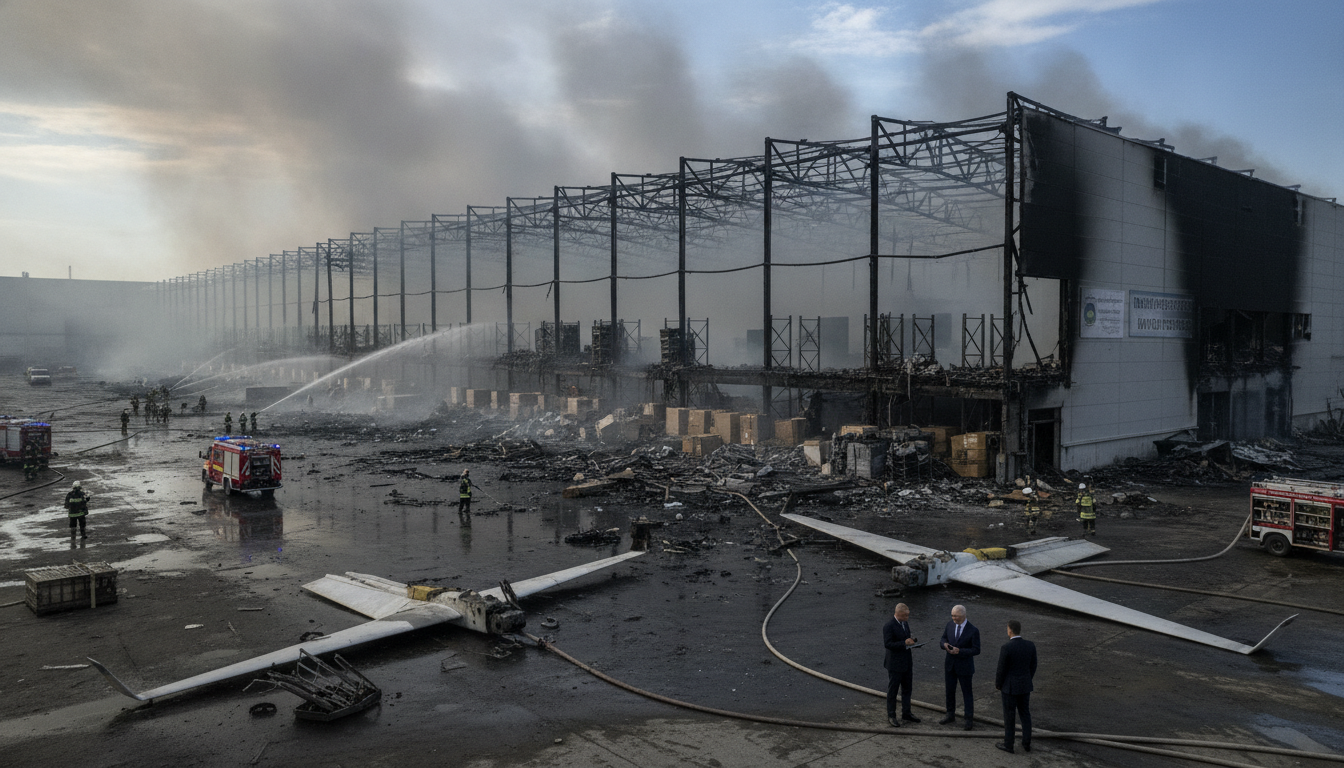
Ukraine struck a Wildberries warehouse in a long-range drone attack on Aug. 3, 2026, saying the facility stored drone components used by Russia’s military.
Ukraine’s military launched a long-range drone strike on Aug. 3, 2026, that struck a warehouse belonging to Russian e-commerce giant Wildberries, Kyiv officials said. The attack, described by Ukrainian authorities as a targeted operation, was aimed at a site the government alleges stored components for aerial drones used by Russian forces. Wildberries confirmed damage to a commercial storage facility but, as of the report, disputed any direct involvement in military supply chains.
Details of the strike
Ukrainian officials reported that long-range unmanned aerial vehicles reached and struck the Wildberries facility, causing structural damage to storage areas used by the company. The strike was identified by Kyiv as part of a wider campaign to disrupt logistics and materiel flows that it says sustain battlefield operations. Independent verification of the strike and its precise effects was limited at the time of reporting, as access to the site remains controlled and statements from all parties differ.
Security sources in Kyiv said the attack targeted specific pallets and storage zones rather than retail inventory, indicating a degree of intelligence-driven precision. Witnesses described explosions and the presence of emergency services at the scene after the strike. Local authorities have not released a full inventory of losses and there are no independently confirmed casualty figures available.
Kyiv’s allegations about drone components
Ukraine’s government has asserted that some commercial sites in Russia, including logistics hubs, have been used to hold components that can be converted for military drones. Kyiv repeated those claims regarding the Wildberries site, saying material stored there was linked to Russia’s aerial operations. Ukrainian statements framed the operation as consistent with international law because it targeted materiel contributing directly to military capacity.
The allegation that a private e-commerce warehouse stored drone components raises legal and ethical questions about the blending of civilian and military supply chains. Ukrainian officials argued that intelligence identified specific shipments and storage arrangements, but they did not make public detailed evidence. Analysts caution that such claims require careful verification, especially when civilian infrastructure is implicated.
Wildberries response and corporate ties
Wildberries issued a brief statement acknowledging damage to one of its warehouses and asserting its role as a civilian retailer and logistics operator. The company emphasized that it serves millions of customers with consumer goods and that its warehouses are commercial facilities. Wildberries did not accept responsibility for what Kyiv described as military-related storage, and the company called for an independent assessment of the incident.
Wildberries is one of Russia’s largest e-commerce platforms and operates an extensive network of fulfillment centres and third-party logistics services. The company’s size and role in national supply chains mean any strike on its infrastructure carries both economic and political implications. Corporate analysts say the incident will likely prompt sharper scrutiny of inventory controls and the degree to which private logistics networks can be segregated from state or military uses.
Moscow’s likely response and international reaction
Moscow has historically condemned strikes on infrastructure and characterised cross-border attacks as escalatory. While a formal Russian response to this specific Aug. 3, 2026, incident had not been published at the time of reporting, prior patterns suggest the Kremlin will denounce the operation and may summon diplomatic protests. Russian officials often frame such strikes as violations of sovereignty when they occur on Russian territory.
International observers and rights groups typically weigh the legality of attacks that affect civilian infrastructure against claims of military necessity. Western capitals have increasingly expressed concern about the mixing of civilian and military logistics in conflict zones. Some foreign analysts warned that further strikes against commercial facilities could complicate efforts to protect humanitarian and civilian supply lines.
Implications for logistics, commerce and conflict conduct
The targeting of a major e-commerce warehouse underscores the vulnerabilities of globalized supply chains in wartime. Retailers and logistics firms operating in or near conflict zones face heightened risks, and the incident may prompt companies to reassess warehousing practices, inventory transparency, and cooperation with state actors. Insurance and shipping costs could rise if such strikes become more frequent or are perceived as likely to spread.
For Ukraine, the operation aligns with a strategy of targeting material sources that it says directly support Russian operations. For Russia, the damage to a commercial infrastructure node raises questions about resilience and the blending of civilian logistics with military needs. Observers say both sides may be incentivized to increase deniability and obfuscation, making independent verification harder and raising the risk of further incidents involving non-combatant infrastructure.
The strike on Aug. 3, 2026, has added a new dimension to the conflict’s logistics battles, highlighting how modern warfare increasingly intersects with commercial networks.
The Wildberries warehouse strike will likely prompt further statements from Kyiv and Moscow in the coming days, as international actors consider legal and humanitarian ramifications and private companies reassess operations in contested environments.
