
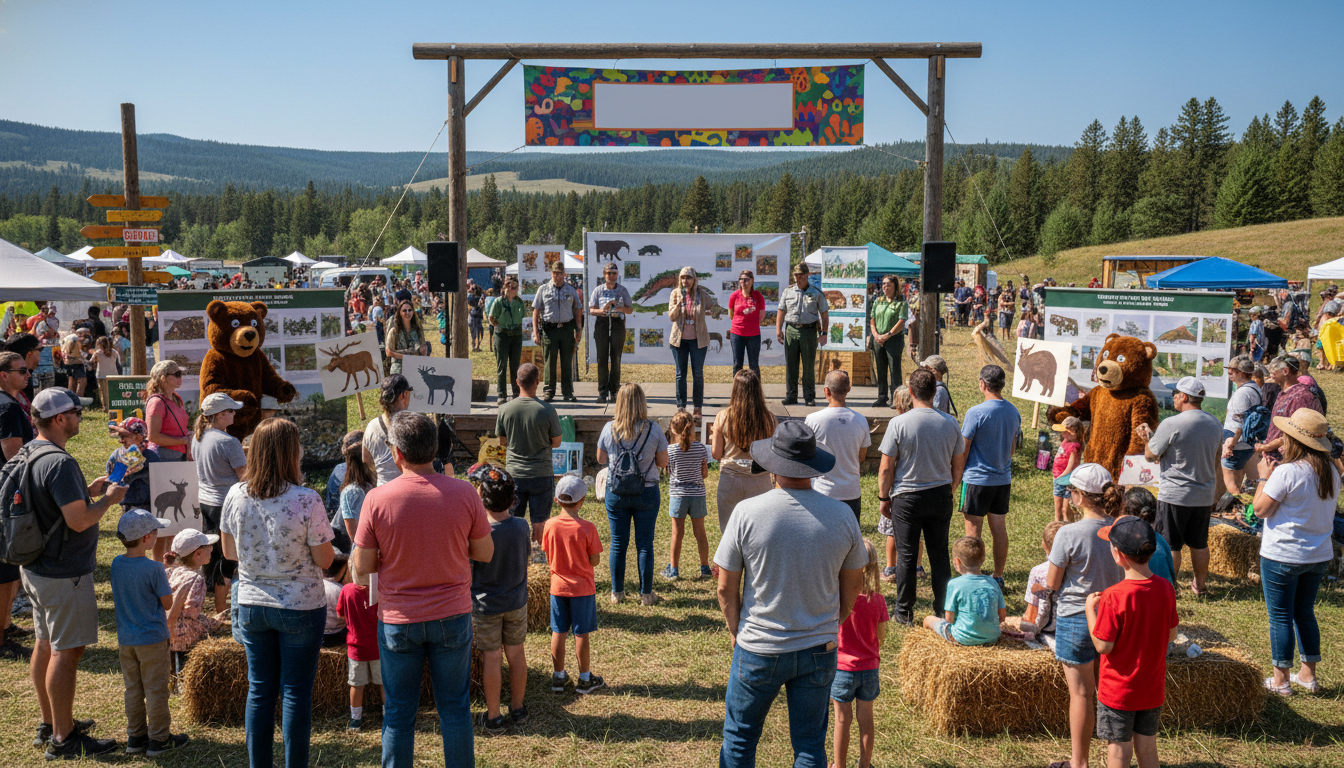
Bragg Creek’s inaugural Wild Fair draws hundreds to discuss wildlife coexistence
Hundreds attended Bragg Creek’s inaugural Wild Fair, featuring workshops, vendors and a keynote on wildlife coexistence and land-use planning regionally.
The inaugural Wild Fair brought several hundred conservationists, residents and visitors to the Bragg Creek Community Centre on Saturday, May 2, 2026, to discuss how people and wildlife can share the landscape. The event, organized by Bragg Creek Wild, combined a vendors’ marketplace, hands-on demonstrations and a keynote address to frame local concerns around growth, land use and everyday stewardship. Attendees heard practical advice on reducing human-wildlife conflict while advocates urged stronger engagement in planning and politics to protect the region’s natural character.
Event draws community volunteers and conservation groups
Several dozen exhibitors and NGOs staffed booths demonstrating practical conservation steps and educational displays throughout the day. Local groups from the Elbow River Watershed Partnership to the Alberta Wilderness Association set up interactive stations explaining pollution pathways, species at risk and habitat stewardship. Organizers said the marketplace format allowed residents to speak directly with experts and sign up for volunteer opportunities.
Organizers promote ‘wild smart’ approach to coexistence
Renée Delorme, president and founder of Bragg Creek Wild, told the crowd the goal was to foster conversations that balance recreation, development and ecological integrity. She framed the concept of being “wild smart” as a series of everyday choices — from securing attractants to supporting sensible land-use planning — rather than extreme lifestyle changes. Delorme emphasized that coexisting with wildlife is about preserving what residents value in the landscape while reducing unintended harms.
Keynote frames challenge around planning, politics and personal growth
Conservationist and author Kevin Van Tighem delivered the keynote, urging attendees to consider three interlinked responses: planning, politics and personal growth. He warned that suburban and recreational growth spilling west from Calgary increases pressure on nearby ecosystems, and that land-use decisions made now will determine whether nature remains part of the community’s identity. Van Tighem encouraged conservationists to engage with elected officials and planning processes to ensure nature has a seat at the table.
Local experts give practical safety and prevention advice
Speakers and workshop leaders highlighted common sources of conflict: unsecured garbage, off-leash dogs and people approaching wildlife too closely. Hendrik Boesch of Wildlife Coexistence Cochrane described outreach efforts that teach residents how to avoid encounters and reduce attractants around homes. Demonstrations from watershed educators illustrated how road salt, litter and oil can wash into rivers, linking everyday household actions to broader ecosystem health.
Groups use fair to recruit volunteers and spread regional knowledge
Alberta Wilderness Association outreach specialist Sara Heerema said the Wild Fair allowed the group to reach people who care about the environment but are unsure how to get involved. Exhibitors aimed to connect local concerns with issues facing other parts of Alberta, arguing that cumulative impacts across regions demand coordinated attention. Several organizations took registrations for monitoring programs, public consultations and community cleanups as part of a push to turn interest into sustained civic action.
Residents voice concerns about growth and preserve local character
Conversations at the fair repeatedly returned to land-use change and how to manage increased visitation without eroding the qualities that attract people to Bragg Creek. Many residents expressed tension between the economic and recreational benefits of more infrastructure and the loss of quiet, wild spaces. Speakers urged policymakers to prioritize planning that protects habitat corridors and minimizes the footprint of new development on sensitive landscapes.
Bragg Creek Wild said the fair was intended to be the first of a series of public engagement efforts that combine education, policymaking and community action. Organizers noted that while not everyone will participate in formal planning discussions, small daily behaviors and increased civic involvement can cumulatively reduce risks to wildlife and strengthen local ecosystems. Attendees left with practical tips, volunteer contacts and a clearer sense that protecting the region will require both individual choices and collective advocacy.
