
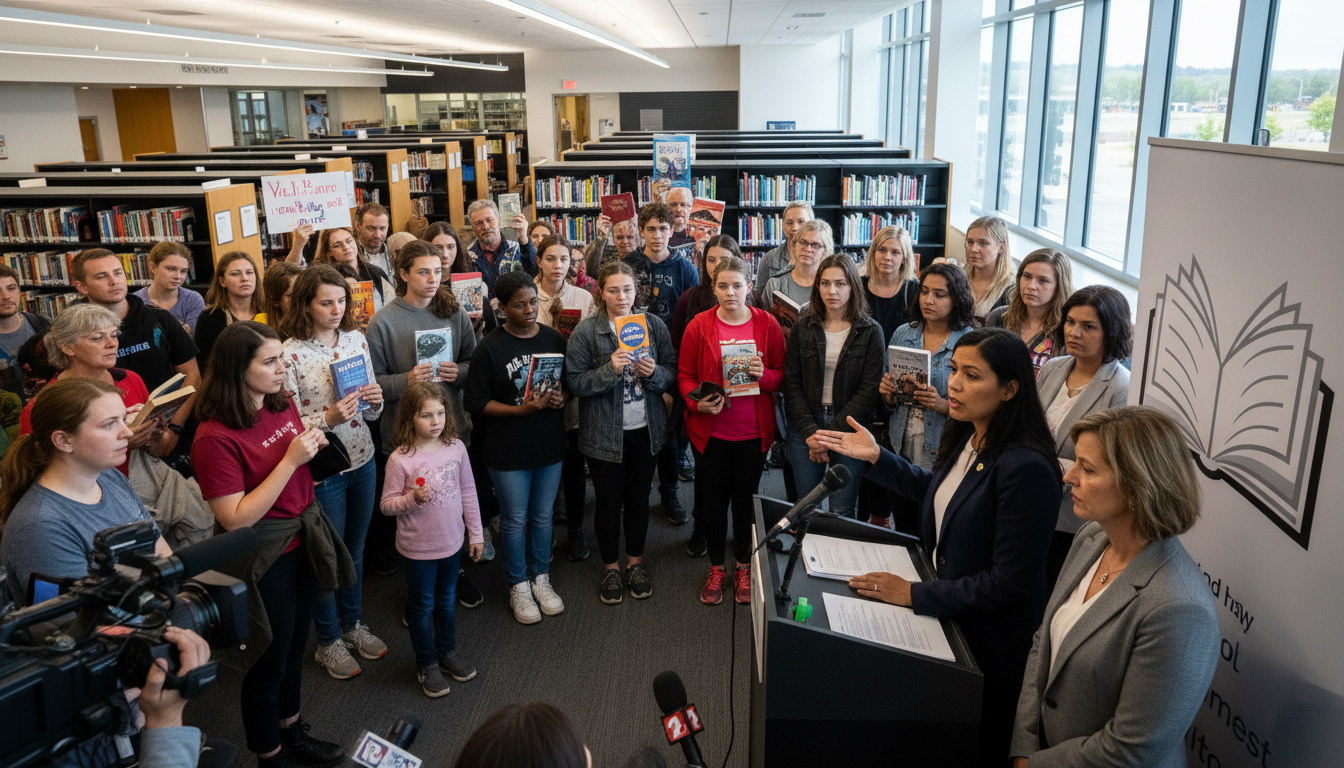
Bill 28 prompts Alberta libraries to warn of costs, privacy and censorship risks
Alberta’s Bill 28 has library leaders warning it could impose new costs, privacy intrusions and curb access to materials in public libraries across the province. The legislation, which targets age-appropriate access to sexually explicit content, is drawing urgent concern from municipal libraries, authors and community groups.
Public libraries from St. Albert to other municipalities say the bill’s proposed standards would require new staff duties and physical changes to branches. Library officials also say they fear the loss of confidential access that patrons currently enjoy.
St. Albert library signals financial and operational strain
Laura Winton, CEO of the St. Albert Public Library, told reporters that Bill 28 would trigger a “domino effect” of expenses for local libraries. She said anticipated costs include extra staffing, new systems for age verification and reconfiguring space to segregate materials, and those costs would fall to municipalities without provincial funding.
Winton warned that placing materials behind restricted counters or in locked rooms would reduce community space used for programming, study and gatherings. She said the change would fundamentally alter how libraries operate as welcoming, trusted community hubs.
Minister frames Bill 28 as protecting minors
Municipal Affairs Minister Dan Williams has defended the bill as a measure to prevent minors from accessing sexually explicit materials. Williams says the legislation would allow the province to set provincewide standards and to limit borrowing of books with graphic sexual content to those 16 and older or to patrons with parental consent.
The minister said the government has already acted to limit access in school libraries and that Bill 28 extends protections to public libraries while preserving avenues for consultation with library boards. He also indicated the minister could review library board decisions or complaints under the proposed rules.
Practical implications for library service and privacy
Library administrators say the bill as described raises immediate questions about how age verification would be implemented in practice. Asking teens to present government identification, for example, could be impractical for many 16-year-olds who do not yet have ID, and would create front-line staff responsibilities they are not currently funded to carry out.
Officials fear that visible restrictions—such as designated “adult” sections or locked circulation—would undermine patrons’ ability to browse and borrow privately. Library leaders further caution that segregating collections could chill community use and deter individuals from exploring sensitive or challenging subjects.
Creative community voices warn of censorship risks
The Writers’ Guild of Alberta, representing more than 1,000 writers, issued a forceful statement condemning Bill 28 as an unjustified restriction on intellectual freedom and expression. The guild argued the legislation hands broad power to the minister to determine what materials Albertans can read, which it says risks chilling effects on writers and readers alike.
Guild representatives said censorship historically targets works that help readers imagine different perspectives and that restricting access undermines the ability of individuals to think and learn freely. The group called for careful scrutiny of any rules that could limit public access to books and other materials.
Libraries seek concrete regulations and a seat at the table
Library officials and municipal leaders say key details of Bill 28’s regulations have not been released, making it difficult to evaluate the bill’s full impact. St. Albert’s CEO said libraries want to engage with the province to clarify how standards will be applied and to seek solutions that protect children without eroding library services.
Minister Williams said he has begun conversations with libraries across Alberta and expressed openness to implementation discussions. Both sides say they want to avoid unintended consequences, but they remain apart on how to balance parental authority, child protection and constitutional protections for access to information.
Many libraries stress that their staff are professionally trained librarians who already work to ensure children find age-appropriate materials, and that their collections are curated with community needs in mind. Municipal leaders add that without clear provincial funding, any new compliance requirements would increase pressure on municipal budgets and potentially force service reductions.
Questions now center on how the province will define “graphic” sexual content, the mechanics of enforcing age limits, and whether exemptions or supports will be provided to smaller rural libraries. Legal observers warn that any regulation touching on expression and access may prompt judicial scrutiny if stakeholders argue it infringes constitutional rights.
For now, the bill’s fact sheet and public statements have set the terms of debate, but many practical details remain unresolved. Libraries, author groups and municipal officials are preparing submissions and seeking meetings with the government as they await draft regulations and further consultation.
Alberta’s Bill 28 has opened a provincial conversation on how to protect children while preserving the confidentiality and broad access principles that underpin public libraries, and that debate is likely to continue as stakeholders press for clarity and funding.
