
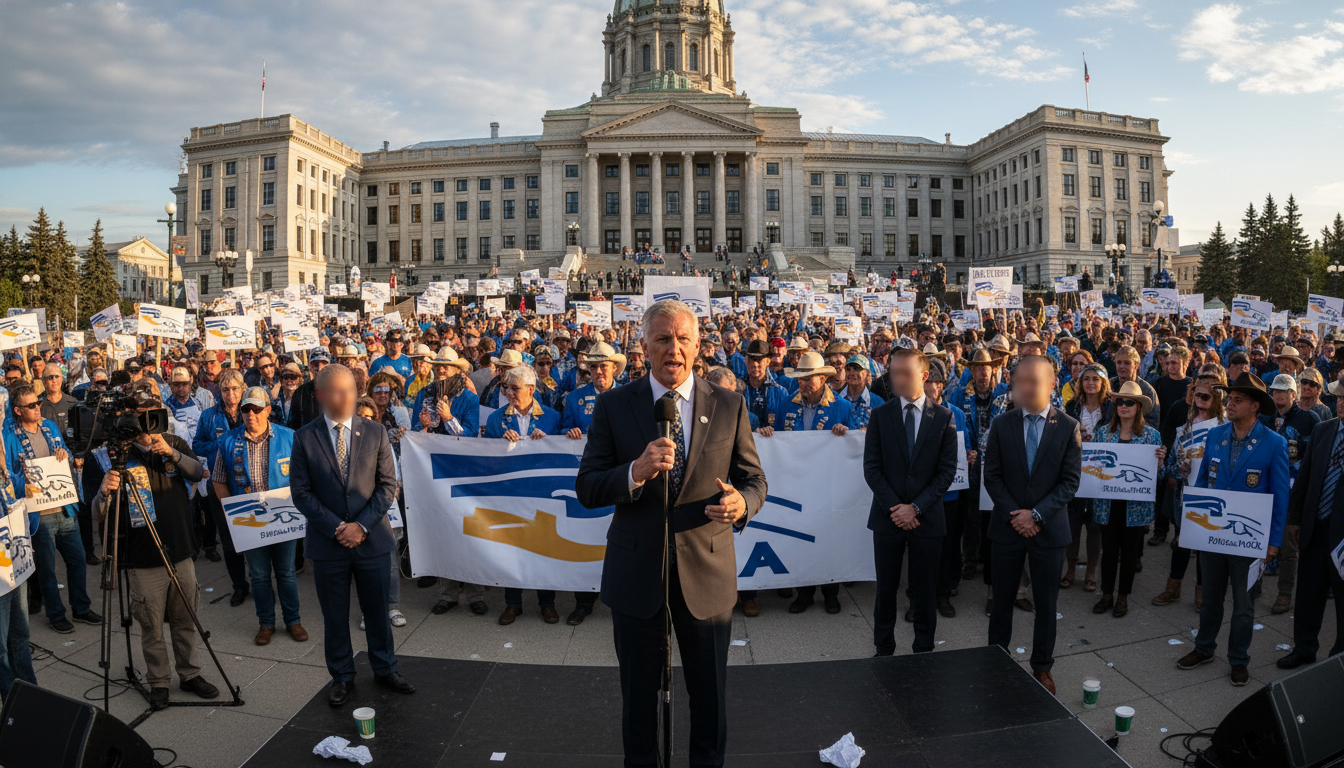
Alberta separatist movement built on decade of grievances, Hunter says
Alberta separatist movement grows as decade-old grievances and economic worries drive support, Hunter says the province is securing long-sought outcomes.
The Alberta separatist movement is being framed by supporters as the result of a decade of mounting grievances, a spokesman known only as Hunter told reporters, saying the campaign is now producing the results its backers have sought. Hunter characterized recent gains as the culmination of long-standing frustrations over federal policies and economic outcomes for the province. He added that prominent figures, named in his remarks, want to see Alberta prosper even as the movement presses its claims.
Grievances traced to the last ten years
Hunter said the current separatist energy is rooted in a ten-year arc of grievances that crystallized around economic policy and resource management. He argued that a series of federal decisions and market shifts left many Albertans feeling their interests were sidelined, contributing to the rise in separatist sentiment. Supporters say that perception of neglect, rather than a single event, has driven organizing and political pressure across the province.
Supporters point to tangible outcomes
According to Hunter, the movement is no longer solely symbolic: he suggested its actions have begun to yield concrete outcomes that activists have pursued for years. He told listeners, in paraphrase, that “we’re getting outcomes” the movement has long sought, indicating satisfaction with recent developments. Observers note that activists often measure success by policy shifts, increased political attention and local mobilization, rather than immediate constitutional change.
Economic concerns remain central
Economic angst remains a central theme for those backing the Alberta separatist movement, with oil-sector volatility and questions about market access frequently cited as drivers. Hunter emphasized provincial prosperity in his remarks, arguing that securing better economic terms for Alberta is a primary aim for many supporters. Analysts say such economic narratives are effective at mobilizing voters who feel their livelihoods are closely tied to provincial resource policies.
Political messaging and public figures referenced
In his remarks, Hunter invoked national figures to underline his point about provincial priorities, quoting a reference to “Prime Minister Mark Carney” when asserting that prominent leaders want Alberta to thrive. That phrasing was used as part of his rhetorical emphasis rather than a claim about formal political titles, and it served to frame the debate around who speaks for the country and for the province. Political strategists note that invoking well-known names can be a deliberate tactic to broaden an argument’s appeal even when the reference is rhetorical.
Ottawa and provincial responses vary
Responses from federal and provincial arenas have ranged from cautious engagement to outright dismissal of separatist demands, depending on political leanings and strategic priorities. Provincial officials have alternately criticized and courted voters expressing separatist sentiment, seeking to balance public order with political outreach. Federal ministers and party leaders have tended to emphasize legal frameworks and the benefits of national unity while acknowledging the need to address economic grievances that fuel the movement.
Potential paths forward for the movement
Observers outline several possible trajectories for the Alberta separatist movement, from sustained regional campaigning to episodic political influence that reshapes federal-provincial negotiations. Hunter’s comments suggest proponents intend to keep pressing for measurable changes rather than immediately pursuing formal separation. Legal experts and constitutional scholars warn that any serious talk of secession would confront significant legal, economic and political hurdles, making incremental gains the more plausible short-term strategy.
The coming months are likely to show whether momentum described by Hunter translates into broader political shifts, policy concessions or intensified debate on national unity. Supporters will be watching for economic signals and federal responses, while opponents will focus on preserving institutional ties and addressing the underlying issues that have driven discontent. Ultimately, how both provincial leaders and the federal government respond may determine whether the movement remains a pressure group or becomes a defining force in Alberta politics.
