
Alberta $100 energy rebate draws nearly 800,000 applications as Meta data centre debate simmers
Alberta launches $100 energy rebate; nearly 800,000 applicants so far with payments expected soon as concerns grow over application validation, fraud flags and a major Meta data centre.
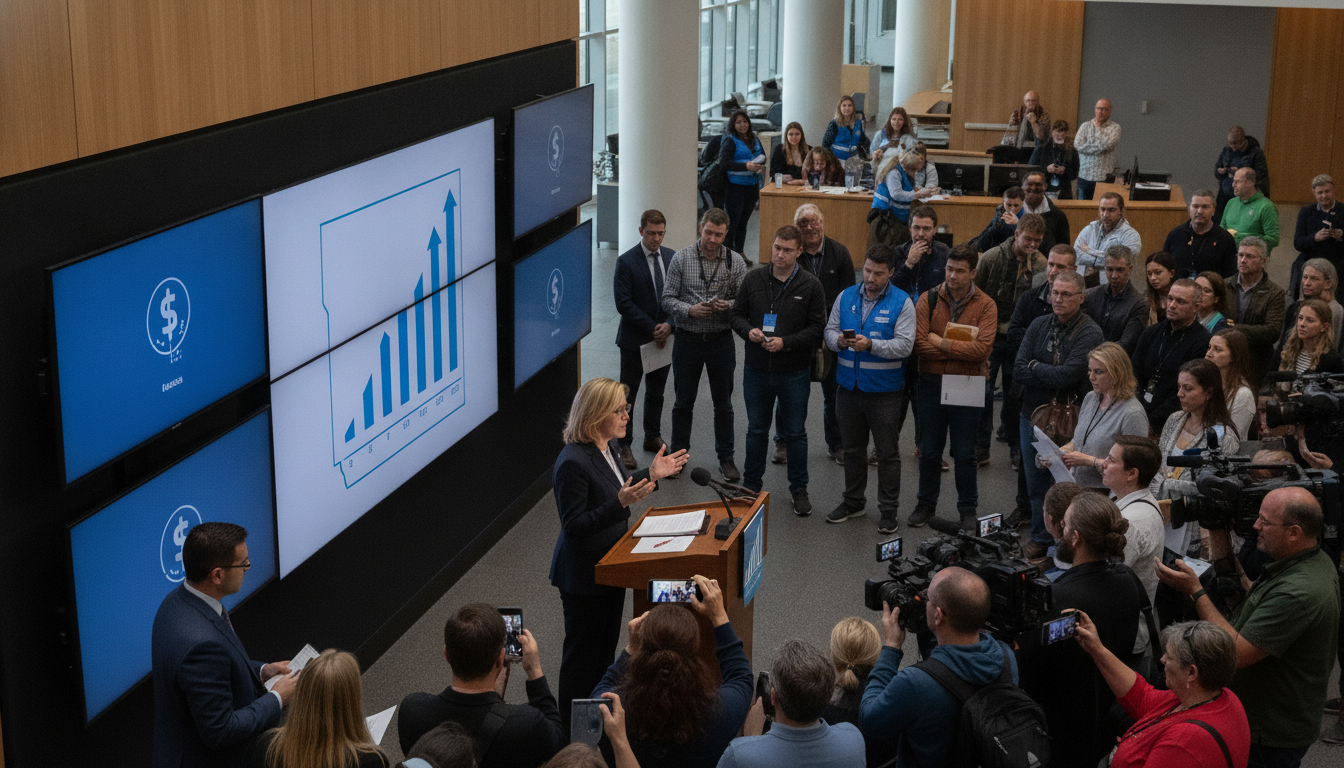
The Alberta $100 energy rebate has attracted close to 800,000 applications within two weeks of the online portal opening, Premier Danielle Smith said Thursday as the government moved to reassure residents about payment timetables and fraud protections. (globalnews.ca)
Nearly 800,000 Albertans apply for $100 energy rebate
The government reported a rapid uptake of the one-time $100 payment, with the premier saying almost 800,000 people had applied since the portal launched in early July. (globalnews.ca)
Provincial officials originally estimated about 3.4 million Albertans would be eligible under the program’s income threshold, which limits applications to households with annual income of $225,000 or less. The rebate was designed as a taxable-free, one-time payment intended to offset recent increases in living costs. (alberta.ca)
Smith told reporters she expected the first payments to begin landing in bank accounts “in the next few days,” and that rebates would be delivered by e-transfer or email once applications are verified. The government’s published guidance says applicants should allow up to 14 days for review after submission. (globalnews.ca)
Application portal validation and fraud checks slow some applicants
Officials acknowledged that parts of the online verification process have created barriers for some applicants as the province implements additional fraud-protection measures. The government said extra validation steps were added to reduce misuse of the program. (globalnews.ca)
A spokesperson for the ministry responsible for technology services told reporters that roughly 35,000 applications were flagged as potentially fraudulent during the initial intake, and the government said it has blocked those applications while it completes reviews. The province similarly warned residents about phishing scams impersonating the rebate in text messages sent before the portal opened. (globalnews.ca)
The premier said the government is exploring ways to streamline validation without weakening safeguards, including simplifying income verification for legitimate applicants while retaining protections designed to prevent identity theft and automated abuse. Officials encouraged Albertans who face technical challenges to use Alberta Supports centres or the provincial call lines for assistance. (alberta.ca)
Eligibility rules, timelines and delivery method explained
The rebate is open to Alberta residents aged 18 or older who filed a 2025 tax return and whose household annual income does not exceed $225,000. The province defines a household for this program as either a single individual or two people who are married or in a common-law relationship. Roommates and adult children living at home who are not spouses are considered separate households and must each apply separately. (alberta.ca)
Some Albertans will not need to apply. Recipients of the Alberta Seniors Benefit, Assured Income for the Severely Handicapped (AISH) and Income Support programs will be automatically enrolled and paid without an online application, though new clients added after the launch may need to complete an application. The province said payments are non-taxable and will not affect other government benefits. (alberta.ca)
The government published an application window running from July 1 to Sept. 30, 2026, and said payments would be sent via Interac e-transfer using Interac’s verification service or by email within approximately two weeks of a validated submission. Applicants were advised to have their Social Insurance Number, tax-return details and banking information ready before starting the online form. (alberta.ca)
Premier confronted at Legislature pancake breakfast over data centres and coal policy
Premier Smith made the remarks on the legislature grounds in Edmonton during a government-hosted pancake breakfast, where she handed out flapjacks and fielded questions from attendees. While many attendees queued for photos and signatures, a small group used the event to press the premier on environmental and technology policy, including coal-mining approvals and the province’s push to attract large data centres. (globalnews.ca)
Security intervened after at least one person became argumentative with the premier, and event staff removed a woman from the line following an exchange about the government’s efforts to attract artificial intelligence data centres to Alberta. Smith continued to serve pancakes amid heightened security presence. The interaction highlighted local unease about the scale and environmental footprint of new industrial projects announced this month. (globalnews.ca)
Meta’s $13-billion data centre and the Greenlight power plan raise local concerns
This month the province and Meta announced the company plans to build a major data centre campus north of Edmonton, an investment the company describes as being worth more than CA$13 billion. The Sturgeon County project is projected to be one of Meta’s largest data centre campuses and is expected to create thousands of construction jobs and several hundred permanent positions once operational. (datacenters.atmeta.com)
Provincial officials and the company have said the data campus will be powered initially by surplus grid electricity, with a new natural gas-fired Greenlight Electricity Centre slated to provide dedicated power by about 2030. The planned Greenlight facility, developed by a private consortium, is intended to ensure a reliable, on-site supply to support the data campus, but critics and some local residents have raised questions about long-term emissions, water withdrawals and grid impacts. (globalnews.ca)
Meta said in its public announcement that it will invest in local infrastructure, including roads and water upgrades, and that it plans to add enough clean energy to the Alberta grid to match the data centre’s electricity use. Company spokespeople pointed to public sustainability disclosures and ongoing engagement with regional authorities as the project advances through regulatory and construction milestones. Nonetheless, the scale of the development and its reliance on a major natural-gas plant have become focal points for public debate. (datacenters.atmeta.com)
Government frames rebate as direct relief, not a return to gas-tax cuts
The energy rebate replaces the Fuel Tax Relief Program that the province had considered activating when oil prices spiked earlier in the year. Officials argued a direct cash payment delivers more certain relief to households because price reductions at the pump do not always translate into consistent savings for consumers. The province estimated the rebate provides roughly 50 per cent more savings per person than the fuel-tax relief would have delivered over three months. (alberta.ca)
Premier Smith defended the choice, noting variation in pump prices across stations can be substantial and that the policy ensures dollars benefit people directly rather than relying on retail pass-through. She said it was too early to decide whether the rebate would continue beyond the current one-time payment or whether the government would revert to fuel-tax measures, adding the administration would assess the program’s results after the next fiscal quarter. (globalnews.ca)
What recipients and applicants should watch for next
Officials urged applicants to be vigilant for scams and to access the portal only through alberta.ca, warning that the province will not send unsolicited texts or emails asking for banking information. People encountering technical problems or who lack internet access were directed to Alberta Supports centres, which can offer on-site assistance. The province also provided a call line and email for rebate inquiries. (alberta.ca)
The government said it will continue to refine validation processes to reduce false positives, expedite legitimate payments and close the window to automated or fraudulent mass applications. Observers and opposition parties have already signalled they will monitor rollout performance, fraud rates and administrative costs as indicators of the program’s effectiveness. (globalnews.ca)
The province’s dual challenge this summer will be ensuring rapid distribution of relief dollars to qualifying residents while managing community concerns about the industrial projects and infrastructure decisions that have become intertwined with questions about energy supply and economic strategy. (globalnews.ca)
Payments are expected to begin arriving within days for those whose applications clear the validation checks, and the online portal will remain open through Sept. 30, 2026, after which unsubmitted claims will no longer be accepted. The government has said it will review program uptake and outcomes in the coming quarter before deciding on any extension or modification to the approach. (alberta.ca)
