
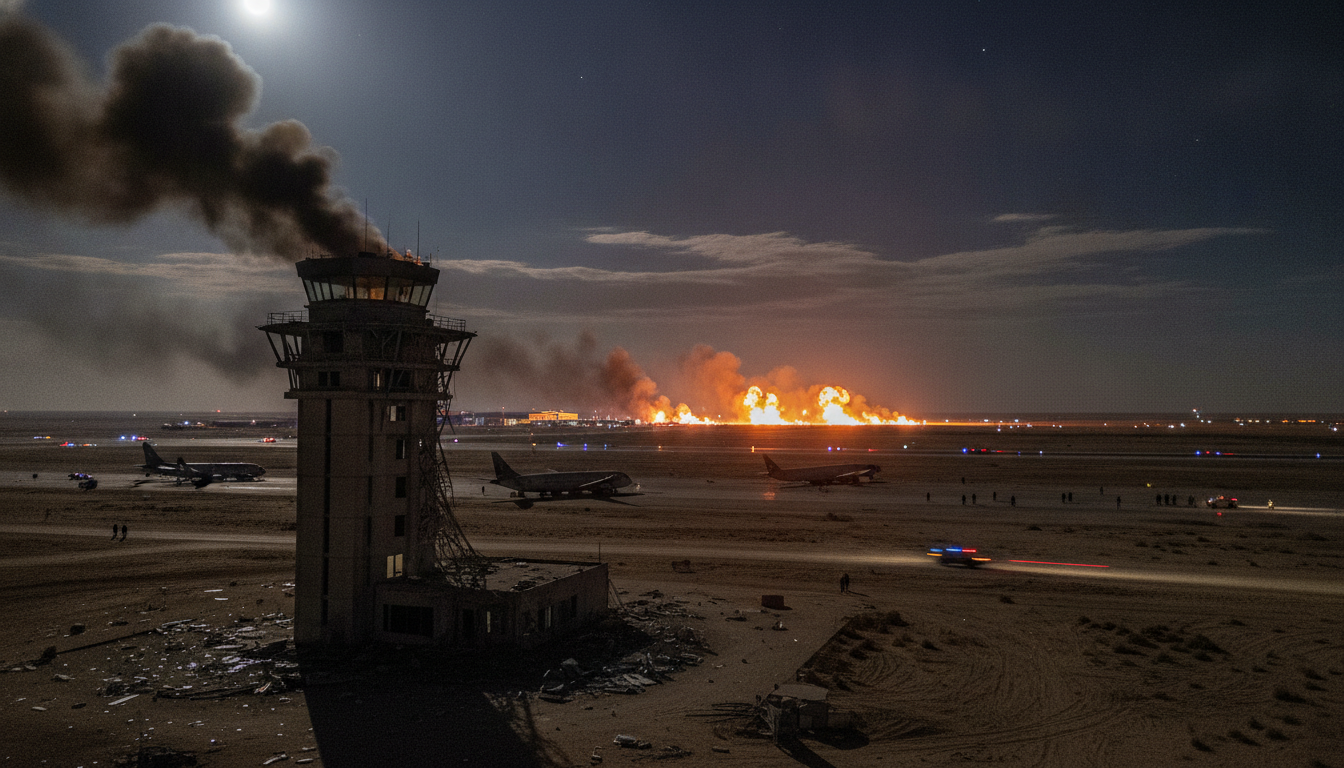
US strikes Iran for sixth consecutive night, targeting southern infrastructure
US strikes Iran for sixth consecutive night, targeting southern infrastructure across Qeshm, Bandar Abbas and Iranshahr amid mounting regional tensions.
The United States conducted strikes against targets in southern Iran for a sixth straight night, local media and military statements said, continuing a cycle of retaliatory actions that has heightened regional alarm. The latest campaign was reported to have begun at 18:00 GMT on Thursday and hit sites on Qeshm Island and several port cities, according to Iranian outlets. Officials on both sides say the attacks reflect a deteriorating implementation of a memorandum of understanding signed last month.
US continues strikes into sixth night
The US military confirmed it initiated another round of strikes late on Thursday, describing the actions as responses to recent provocations in the Gulf. Iranian media reported explosions across multiple southern provinces, with eyewitness accounts and official statements describing damage to transit and communications infrastructure. The persistence of nightly strikes marks a sharp escalation from brief exchanges earlier in the month.
Southern infrastructure reported damaged
Iranian state-affiliated outlets said an airport in Iranshahr was struck and that a communications tower in Bandar Abbas was hit, resulting in local power outages. Another report suggested a bridge in Bandar-e Khamir sustained damage, disrupting ground transit routes along the coast. Iranian authorities and local reporters described intermittent outages and travel interruptions as emergency services assessed the impacted areas.
IRGC and regional actions reported
The Islamic Revolutionary Guard Corps publicly claimed a separate attack on an airbase used by US forces in Bahrain, framing the action as retaliation for a US strike that Iranian officials say forced the evacuation of a children’s cancer hospital in Ahvaz. The IRGC also asserted it had struck sites in Kuwait and Jordan, though the scope and impact of those claims were disputed. Kuwait’s army acknowledged it had been targeted, reporting an incursion involving dozens of drones and material damage to vital facilities.
Gulf states bolster defences amid uncertainty
Regional governments have moved to strengthen air defences around ports and critical infrastructure as tensions mount, diplomats and regional analysts said. Military preparedness across the Gulf has reportedly increased, with authorities vigilant for further drone or missile activity that could threaten commercial shipping and civilian sites. Analysts warn the concentration of assets and the frequency of strikes raise the risk of miscalculation that could draw more states into direct confrontation.
White House signals diplomacy while promising consequences
Washington’s public stance blended a call for accountability with offers of diplomacy, as the White House reiterated that President Trump remained “always open to diplomacy” while insisting there would be consequences for attacks on shipping and regional partners. The administration had previously warned it might target Iranian power plants and bridges if Tehran did not re-enter negotiations, language Iranian military leaders said would be met with strong retaliatory measures. Tehran’s foreign ministry, by contrast, has said it is focused on defence and is not planning talks with Washington at this stage.
Diplomatic impasse over last month’s memorandum
Both Tehran and Washington have accused the other of breaching the memorandum of understanding — the interim pact they signed last month — a charge that has complicated efforts to cool tensions. Analysts describe the current posture as a test of wills, with each side seeking concessions without yielding strategic leverage. A Middle East politics scholar noted both capitals appear determined to compel the other to make the first move, increasing the diplomatic temperature while narrowing the window for negotiated de-escalation.
Recent nights of strikes have left Gulf states on alert and civilian populations in affected regions coping with outages and disrupted services. As military and diplomatic signals continue to crisscross the region, officials and analysts warn that the situation remains volatile and subject to rapid change.
