
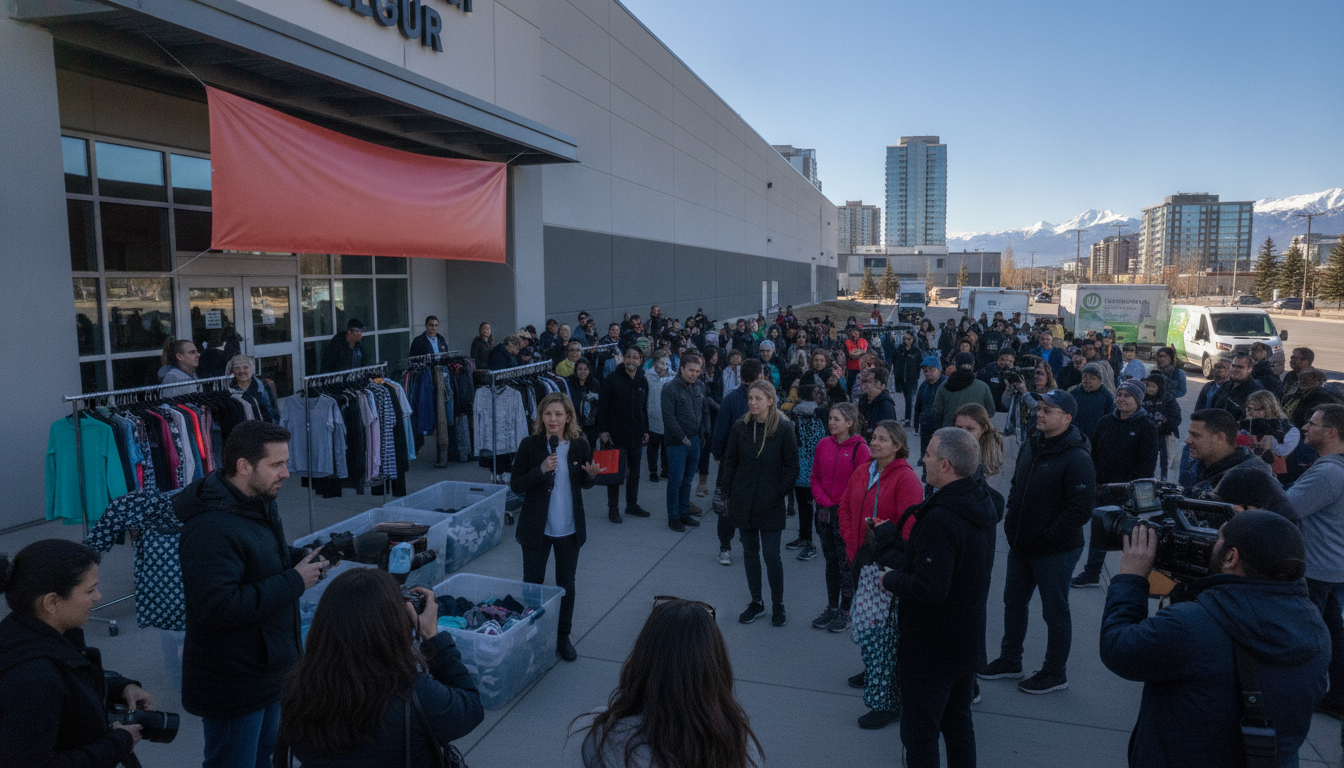
Lululemon resale expands in Canada with Calgary processing hub
Lululemon resale signals a new phase for the brand as its Like New platform rolls out in Canada and a Calgary processing centre begins handling thousands of returned and traded items.
Lululemon resale program arrives in Canada
Lululemon has moved into branded resale with the launch of its Like New service in Canada, offering customers a way to buy and sell pre-owned gear through the company’s platform.
The program lets sellers receive the majority of their sale price in cash or a larger share as store credit, and it is positioned as an extension of the company’s product lifecycle strategy.
Company statements frame the service as a method to keep high-performing garments in circulation while offering lower price tiers for shoppers.
Calgary processing hub becomes central node
A 25,000-square-foot facility in Calgary now processes Lululemon returns and customer-submitted resale items, marking the retailer’s shift from informal secondary markets to a managed, brand-run channel.
The site is operated by Tersus Solutions and represents the Denver-based firm’s first Canadian footprint for textile processing and resale preparation.
Officials at the hub report daily throughput in the low thousands, reflecting rapid uptake of the program’s intake and a steady pipeline of items entering the resale stream.
How items are cleaned, graded and prepared for resale
At the Calgary hub, incoming garments are inspected, sorted and evaluated for condition before being prepared for relisting.
Tersus employs a waterless cleaning method based on liquid CO2 that the company says sanitizes and refreshes textiles without consuming municipal water resources.
After cleaning, items are repaired or refurbished when feasible, then graded to determine resale price bands and quality descriptors for buyers.
Retailers see resale as revenue and loyalty driver
Brands pursuing resale are motivated by the ability to recapture value from returns and used merchandise that might otherwise be written off.
Executives at processing partners describe resale lines as comparatively high-margin because previously discounted or damaged items can be restored and sold again.
Beyond direct revenue, retailers use resale programs to issue credit and encourage repeat purchases, converting secondary transactions into ongoing customer relationships.
Consumer behaviour is pushing resale into the mainstream
Industry observers note that resale and peer-to-peer marketplaces have moved from niche to mainstream, with a majority of Canadian shoppers engaging in pre-owned purchases in recent years.
The widespread use of online classifieds and marketplace apps has normalized buying used apparel and created a market that brands now aim to capture under their own banners.
Retail analysts say bringing resale into branded ecosystems lets companies reach shoppers who seek lower price points while maintaining quality assurances and returns policies.
Early adopters and industry precedents in Canada
Several Canadian and international retailers established branded resale options before larger rollouts, offering a blueprint for how managed resale can operate.
Smaller apparel firms that built circularity into their production and business models reported measurable diversion of textiles from landfill and modest revenue from second-hand sales.
Large retailers have also experimented with buy-back and sell-back programs for years, collecting thousands of items through organized take-back initiatives to refurbish and resell.
Operational scale and logistics challenges
Scaling a branded resale program requires significant logistics, from intake and authentication to cleaning and inventory management.
Processing centres must be able to efficiently sort high volumes of returns while maintaining consistent grading standards to preserve brand value and customer trust.
For national rollouts, geographic distribution of hubs becomes a strategic consideration to minimize transit costs and delivery times for both sellers and buyers.
Pricing, payouts and consumer incentives
Lululemon’s resale model offers different payout mixes to sellers, with a larger share available if proceeds are taken as store credit.
That structure aims to balance immediate reimbursement for sellers with inducements for further purchases at full or reduced price within the brand’s retail channels.
Analysts say such incentives can nudge resale participants toward ongoing engagement with the brand while supplying inventory for the resale storefront.
Sustainability claims and environmental impacts
Branded resale programs are often promoted as sustainable alternatives to single-use consumption by extending garment lifespans and reducing waste.
Waterless cleaning technologies, refurbishing and certified grading each contribute to lowering the environmental footprint compared with discarding or replacing garments.
Quantified impacts from smaller brands and buy-back pilots show measurable waste diversion, though broader lifecycle analyses are needed to compare outcomes across different fabrics and supply chains.
Consumer protections and quality assurance
A core advantage brands bring to resale is the promise of authentication, standardized condition ratings and a central complaints process.
Requiring proof of purchase for some items helps verify provenance, although trade-in or evaluation pathways often exist when documentation is unavailable.
Established stores can therefore offer buyers more confidence than anonymous listings, which supports pricing at a premium relative to generic second-hand marketplaces.
Market opportunities for premium and technical apparel
Resale is attracting premium and technical apparel makers because their products often retain utility and performance over several owners.
Garments designed for durability are more amenable to refurbishment and can command stronger resale prices when certified by the original brand.
As companies expand branded resale, categories with higher initial prices and technical features are likely to be prioritized for recovery and relisting.
Job creation and new service roles
The expansion of processing hubs creates roles in inspection, cleaning operations, grading, repairs and logistics coordination.
Operators say the facilities require trained technicians familiar with textile care and automated systems, generating a specific set of skills within local labour markets.
Those jobs also support a quality-controlled resale pipeline, which is central to maintaining brand standards and consumer trust in second-hand inventory.
Implications for smaller thrift and peer marketplaces
As brands internalize more resale activity, independent thrift stores and peer-to-peer sites may see shifts in available supply and buyer expectations.
Branded platforms typically target different price bands and offer assurances that many informal sellers and smaller shops cannot match.
Observers caution that a diversified resale ecosystem benefits consumers overall, but that market concentration under major brands could change competitive dynamics.
Regulatory and reporting considerations
Retailers operating resale programs may encounter regulatory nuances around returns, warranty transfers and labeling of second-hand goods.
Transparent disclosure of item condition and accurate grading are essential to comply with consumer protection rules and maintain marketplace integrity.
Brands also face growing pressure to disclose environmental impacts and the measured outcomes of circular initiatives in annual reporting.
Outlook for branded resale in Canada
The entry of major apparel companies into branded resale suggests the channel will continue to expand as part of mainstream retail strategy.
Retail analysts expect supply-chain partners and third-party processors to scale capacity to meet increasing intake of returns and trade-ins.
For consumers, the rise of brand-managed resale offers more choice: lower-cost access to premium products, plus the security of authenticated listings and standardized condition descriptions.
Lululemon’s move into branded resale reflects a larger strategic shift among apparel makers toward recovering value from returned and used goods while meeting consumer demand for lower-cost, sustainable options.
Processing hubs like the Calgary facility and the technologies they deploy are central to that shift, enabling high-volume cleaning, grading and refurbishment under brand supervision.
As more retailers build resale pathways into their retail ecosystems, Canadian shoppers can expect growing access to authenticated second-hand inventory and new avenues to recoup value from items they no longer use.
