
Luxembourg teacher fired over social media posts draws student protests
Students protest after a Luxembourg teacher was fired over social media posts; she told Al Jazeera her pro-Palestinian activism prompted dismissal and costs.
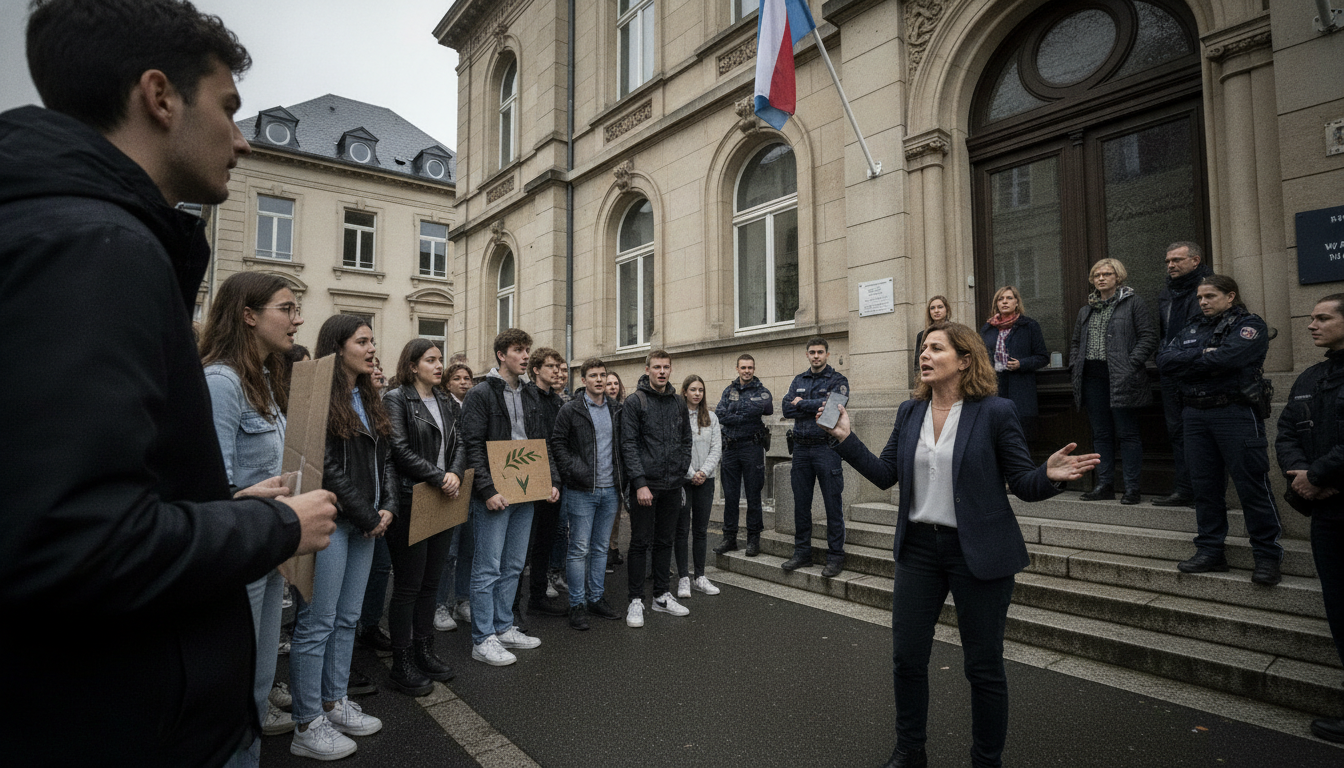
Fatima Kurtic, a teacher in Luxembourg who was dismissed after a social media post deemed anti-Israel, drew dozens of students and supporters to a demonstration this week to contest her firing. The Luxembourg teacher fired over social media posts has described to international media the motivations behind her pro-Palestinian stance and the personal and professional costs she says have followed. The protest, held close to the school where she taught, highlighted tensions over political expression, employment rules and campus solidarity.
Students stage demonstration in Luxembourg
Students and community supporters gathered in visible numbers to show solidarity with the dismissed teacher, holding signs and chanting slogans in support of free expression. Organizers described the event as peaceful, aimed at drawing attention to what they called an overreach by education authorities. The demonstration underscored a wider debate among pupils and parents about how schools handle staff conduct outside the classroom.
Participants told reporters that the dismissal has affected school morale and prompted conversations among students about civic engagement and accountability. Several attendees said they were worried about chilling effects on political speech by educators and on the ability of schools to serve as spaces for critical discussion. Organizers indicated more events could follow as they consult legal advisers and education advocates.
Dismissal traced to October social media post
Local media and those close to the case say the disciplinary action followed a social media post shared in October that officials judged to be anti-Israel. The school authority moved to dismiss the teacher after an internal review of the content and its circulation among the community. Details of the internal process and the exact grounds cited in the dismissal notice have not been publicly released by the education administration.
Family members and supporters contest the characterization of the post and say context was overlooked in the disciplinary decision. The timing of the dismissal and the ensuing public reaction have intensified scrutiny of how schools evaluate staff conduct in digital spaces and how employers weigh social-media activity against professional responsibilities.
Teacher speaks to Al Jazeera about motivations
Kurtic spoke to Al Jazeera about her pro-Palestinian activism and the personal toll she says followed from publishing views online. In that interview she outlined the reasons for her public stance, framed by concern for civilian suffering and calls for political accountability. She also described the material and reputational costs she has faced since the post surfaced, saying the dismissal has affected her livelihood and standing in the community.
Her supporters argue the conversation she sought to start is part of legitimate political debate and that dismissal was a disproportionate response. Critics of her position emphasize the responsibility of teachers to maintain neutrality in dealings with students and to avoid content that could be judged as discriminatory or incendiary.
Support network mobilizes legal and advocacy resources
Local advocacy groups and education unions have signalled support, offering legal advice and public advocacy to challenge the dismissal through appropriate channels. Representatives said they are reviewing the case to determine whether employment protections and procedural safeguards were followed. The prospect of legal action has been raised by supporters as a means to contest the termination and to seek clarity on rules governing staff conduct.
Legal experts caution that outcomes in such cases often turn on contract terms, disciplinary procedures and specific national labour protections. They also note that European courts have grappled with similar conflicts between freedom of expression and professional obligations, producing varied decisions that hinge on context and proportionality.
Education authorities and officials remain opaque
Requests for comment from the school administration and relevant education authorities were not immediately answered, leaving specifics of the dismissal process unclear. Public statements from official channels have been limited, according to local reporters, which has contributed to frustration among demonstrators seeking transparency. The absence of a detailed explanation has made it harder for observers to assess whether the dismissal followed internal policy.
Officials in Luxembourg and representatives of the education sector routinely stress the need to balance staff rights with safeguarding students and maintaining an inclusive learning environment. Whether that balance was correctly struck in this case is likely to remain a topic of public debate until more information emerges or legal proceedings clarify the facts.
Wider implications for speech and school governance
The case has fed into broader questions about how schools and employers regulate employees’ social-media activity and where lines should be drawn for political expression. In recent years similar disputes across Europe have prompted policy reviews, legal challenges and renewed discussion about professional codes of conduct. Educators, unions and civil liberties groups are watching closely for outcomes that could shape future rules on outside-of-work speech.
Observers say the episode highlights the complexity of adjudicating speech that touches on international conflicts and community sensitivities, especially when expressed by public-facing professionals. The eventual resolution could influence how schools craft guidelines, how administrators respond to complaints, and how teachers weigh the risks of public political engagement.
The demonstration this week brought renewed attention to a contentious dismissal that remains under scrutiny, with advocates pushing for a fair review and authorities facing calls for clearer communication about decision-making and policy enforcement.
