
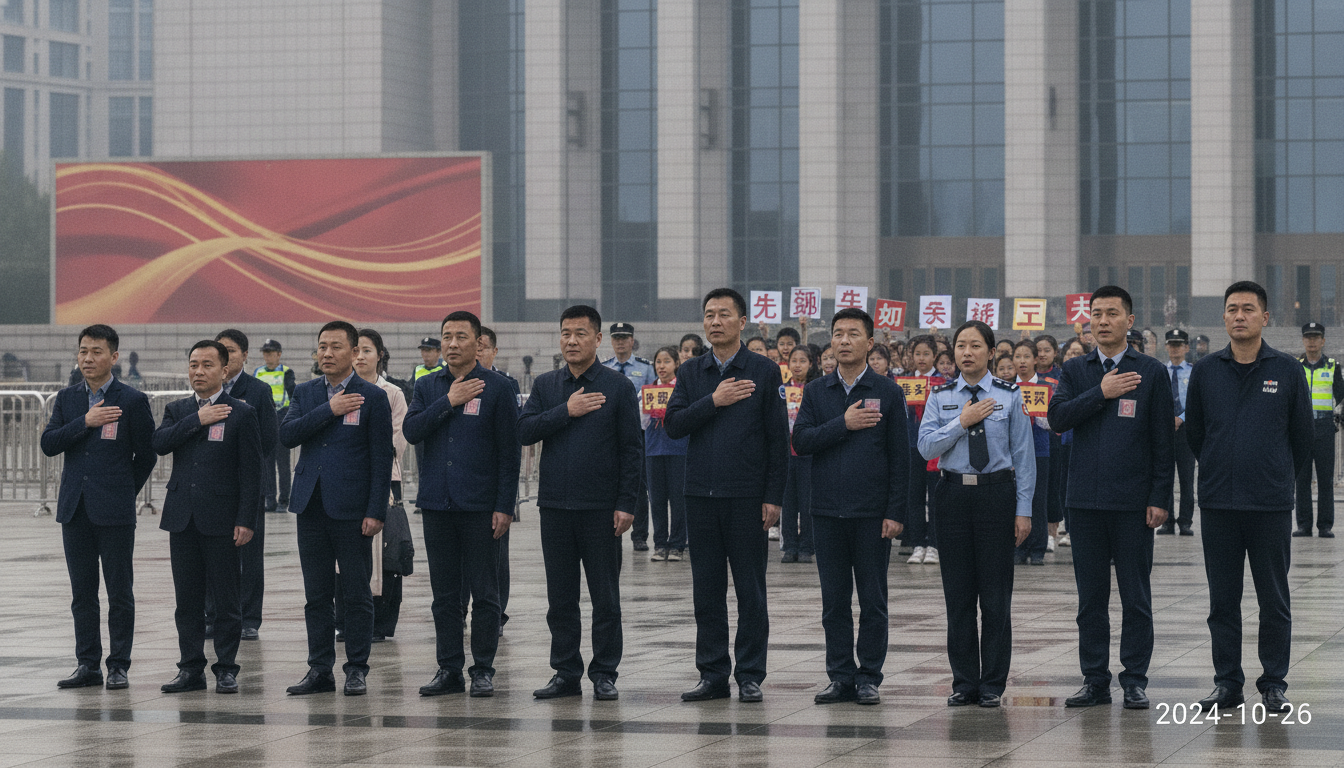
China’s ethnic unity law takes effect, boosting Mandarin and raising extraterritorial concerns
China’s ethnic unity law took effect, boosting Mandarin in schools while prompting rights concerns and warnings about enforcement beyond its borders.
Beijing says law will forge shared national identity
The Chinese government framed the ethnic unity law as a tool to strengthen social cohesion and counter separatism when it was passed. Officials described raising Mandarin’s status in education and public life as essential to building a common national identity across the country’s diverse regions. State statements emphasized that the law’s measures will apply to schools, official business and public spaces to create consistent language standards.
Mandarin elevated in classrooms, official business and public spaces
Among the law’s clearest provisions is the promotion of Mandarin as the primary language of instruction and administration. Education policy changes signal a shift toward Mandarin-medium teaching in more schools, which authorities say will improve communication and opportunity across provinces. Critics argue that the practical effect will be to reduce the presence of minority languages in classrooms, public signage and local government services.
Activists warn of further erosion of minority rights
Uyghur, Tibetan and other minority rights groups abroad condemned the law, saying it accelerates cultural and linguistic assimilation. Organizations such as the World Uyghur Congress have warned that measures to standardize language and public life will further erode the protections for ethnic, cultural and religious practices. Diaspora activists also point to a broader pattern of restrictions and argue the law tightens Beijing’s control over minority identity and community institutions.
Clause allowing action beyond China draws international alarm
A widely cited clause allows Chinese authorities to take action against those who violate the law outside the country, a provision that has drawn condemnation from foreign governments and rights advocates. Taiwan’s government explicitly warned that the clause could be used to target critics on the island, and diplomatic channels have flagged the provision as a potential threat to free speech for overseas communities. Legal scholars warn the extraterritorial language could complicate cross-border relations and raise questions about jurisdiction and enforcement.
Think tanks and analysts outline stability and rights trade-offs
International analysts have offered mixed assessments, noting the law’s stated aim of preventing separatism while highlighting the human rights trade-offs. Senior fellows at policy institutes caution that language standardization can deliver administrative efficiencies but also risks alienating minority populations if implemented coercively. Observers from regional risk groups say the law may reduce short-term tensions in some areas but could deepen resentment and drive further unrest where communities feel their identities are being subsumed.
What the law could mean for education and cultural preservation
Language policy experts say the long-term impact will depend on implementation details and local enforcement practices. If Mandarin instruction displaces native-language curricula entirely, younger generations may lose access to ancestral languages and cultural knowledge. Conversely, blended or bilingual approaches can preserve linguistic traditions while expanding Mandarin fluency, but such programs require resources and political will that local authorities may not prioritize uniformly.
International monitoring and future diplomatic responses
Rights organizations and foreign governments have announced plans to monitor the law’s implementation closely and document its effects on minority communities. Policy responses may include public statements, targeted sanctions, or support for language and cultural preservation programs abroad. Beijing has signaled it will defend the law as an internal matter essential to national unity, setting the stage for continued diplomatic friction.
The law took effect on July 3, 2026, and its reach will be measured by how it is applied in classrooms, local administrations and in overseas cases cited under its extraterritorial clause. Observers say the coming months will be decisive in revealing whether the policy leads to greater integration or deeper divides, and international actors will be watching for concrete changes to language instruction and the treatment of minority communities.
