
Rainy summer forces Canadians indoors, tests event calendars and backyard plans
Persistent rain is reshaping summer life across Canada as residents face a rainy summer that has delayed outdoor plans, muddied decks and reshaped community events.
Summer plans interrupted
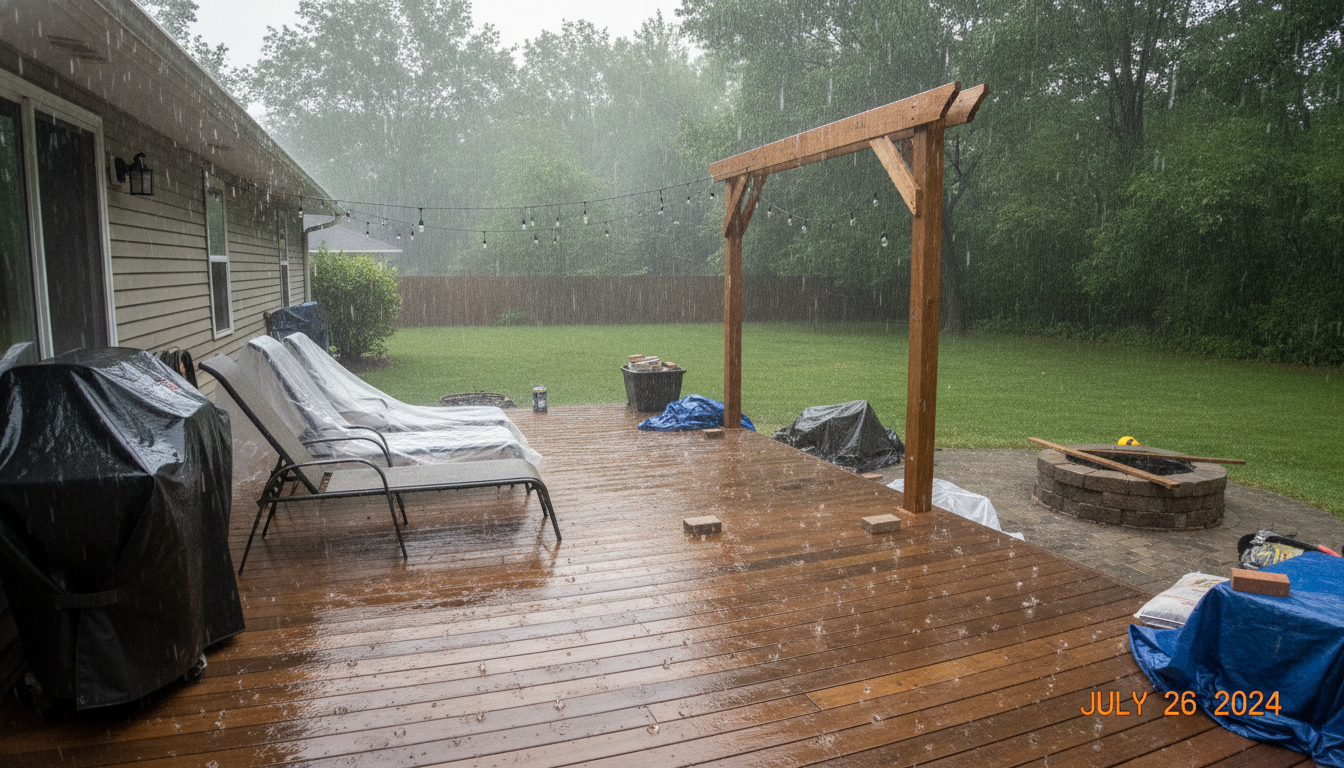
Across neighbourhoods from coastal towns to inland suburbs, residents say sunny afternoons have been scarce this season. Many families and homeowners report unusable decks and soggy lawns after repeated downpours that have kept barbecues, yard work and weekend projects on hold. Local organizers of small festivals and markets have scrambled to find dry venues or postpone dates, creating a ripple effect through community schedules.
Business owners who depend on patio traffic describe a softer flow of customers when skies are grey and damp. Restaurants with outdoor seating are trimming hours or moving service indoors on short notice to manage diminished demand. For some operators, the costs of tarps, extra staffing and lost capacity have added up over weeks of unsettled weather.
Event cancellations and rescheduling
Municipal recreation departments and volunteer-run festivals are balancing safety and logistics amid ongoing rain. Several popular weekend events have been rescheduled or consolidated to reduce exposure to muddy grounds and slippery conditions. Organizers say the decisions are often financial as much as practical, since wet weather can reduce attendance and increase cleanup costs.
Ticketed summer shows and outdoor cinema nights have adjusted formats, shifting to covered venues or offering rain dates to protect both performers and audiences. While some larger events have contingency plans and insurance, smaller community groups report fewer options and tougher choices when forecasts turn gloomy.
Economic and recreation impacts
The rainy summer has hit sectors that rely on warm, dry weather, from tourism operators to landscaping services. Tour companies, outdoor guides and campground operators report mixed bookings, with last-minute cancellations common when a forecast turns wet. Parks and trail managers have noted higher maintenance needs as frequent rain accelerates erosion and creates slippery conditions on footpaths.
At the same time, some indoor venues have seen modest upticks in interest as people seek alternatives to outdoor plans. Museums, galleries and recreation centres have reported an increase in daytime visits on particularly rainy weekends, helping to offset some losses for weather-sensitive businesses.
Public health and environmental trade-offs
Many residents express relief that the wet pattern has reduced wildfire smoke concerns that have affected recent summers. The trade-off, however, brings its own health considerations as damp environments can worsen mold problems in older homes and increase vigilance for water pooling that attracts pests. Public health officials advise homeowners to check for leaks, maintain ventilation and manage damp basements to limit indoor air quality issues.
Outdoor workers and volunteers say scheduling becomes a safety matter when slippery conditions or lightning risks appear. Employers and organizers are adjusting start times and break schedules to reduce exposure to sudden downpours, and some are relying more heavily on weather-alert services to guide decisions.
What forecasters and planners are saying
Weather forecasters and municipal planners emphasize that short-term patterns can change quickly, and they urge flexibility. Officials note that single-season variability is common and that infrastructure and event planning increasingly factor in more frequent wet or unpredictable weather. Municipalities are also reviewing drainage and field maintenance plans to handle concentrated rainfall without long-term damage to public spaces.
Organizers planning major summer attractions say contingency planning has become a standard part of preparations. Investment in more robust temporary structures, improved drainage for event sites and clearer refund policies have become practical responses to an uncertain summer calendar.
Community coping strategies
Residents have found creative ways to salvage summer routines despite repeated rain. Pop-up covered patios, revised potluck schedules and small indoor gatherings have helped neighbours stay connected without relying on fine weather. Homeowners are using quick-draining furniture and raised-planter boxes to keep gardens productive even in soggy conditions.
Local volunteer groups have organized equipment swaps and community tarps for public events, reducing costs for groups that cannot afford commercial coverings. Such grassroots responses highlight a pragmatic approach to making the most of a rainy summer while preserving the social rhythms that define the season.
Many people say they prefer rain over the alternative of smoky skies, but most still hope for a stretch of clear weather to reopen decks, parks and play spaces. As the season progresses, families, businesses and event planners will continue to adapt to the weather, balancing safety, economics and the simple desire for a sunny afternoon.
