
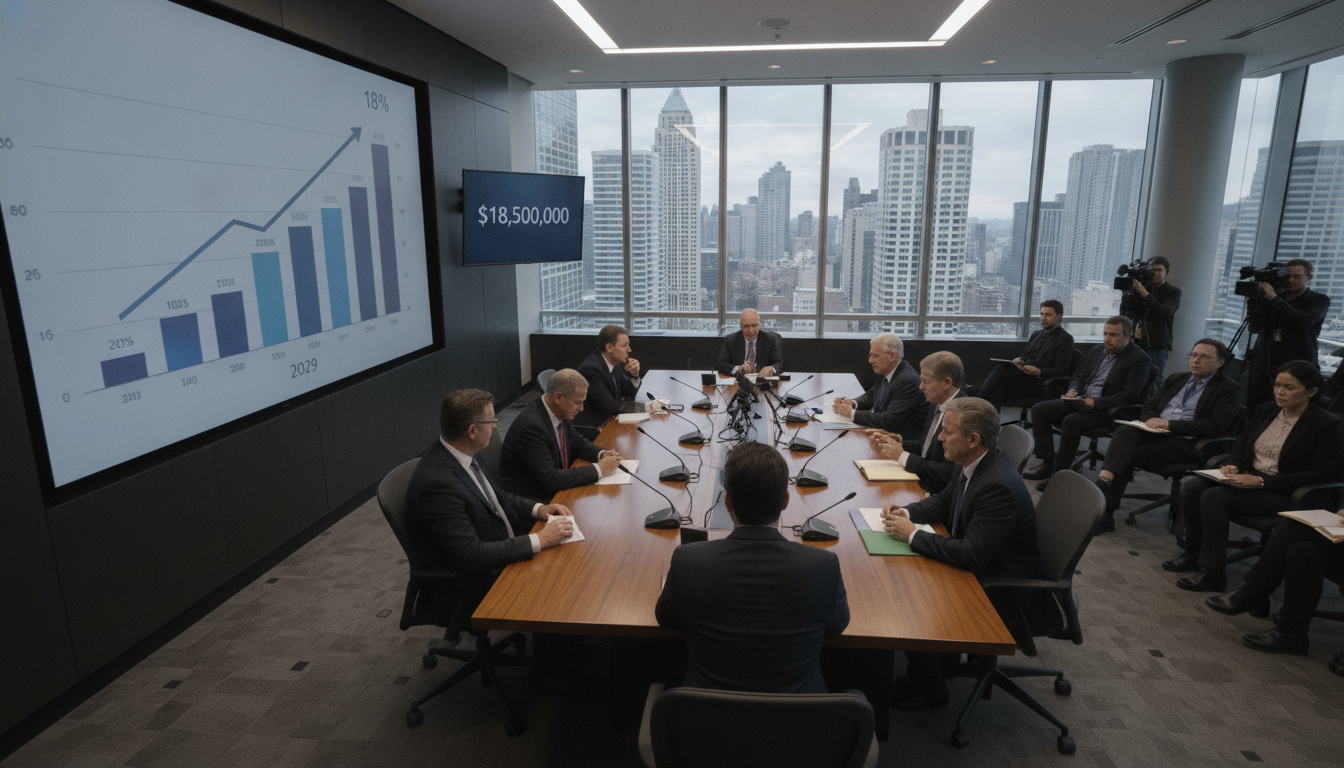
City debt limit of 18% projected by 2029 as $18.5M freed from under-budget capital projects
City expected to hit its self-imposed 18 per cent debt limit by 2029; $18.5 million freed by under-budget capital works will shape the supplemental capital budget.
The city council was told on Tuesday that the municipality is on track to reach its self-imposed debt limit of 18 per cent by 2029, prompting fresh scrutiny of capital priorities and fiscal controls. The city debt limit projection was presented as part of a supplemental capital budget adjustment that also revealed $18.5 million in savings from recent capital projects. Council members were briefed that several major works came in under budget, creating a one-time resource that will influence project timing and reserves.
Projected Debt Reaches 18 per cent by 2029
The finance briefing outlined a trajectory in which the ratio of net debt to operating revenues is forecast to climb to the city’s 18 per cent self-imposed threshold within three years. Officials warned that sustained borrowing for capital needs without offsetting revenue or expenditure reductions would push the indicator beyond the municipal policy ceiling. The projection prompted council to consider adjustments to the capital plan to avoid breaching the limit that guides borrowing capacity and long-term fiscal sustainability.
Under-Budget Projects Free $18.5 Million
Audited variances in recent capital projects produced $18.5 million in unspent funds that the administration proposed reallocating through the supplemental capital budget. The savings result from procurement efficiencies, lower-than-expected construction costs and scope adjustments on a number of initiatives. City staff recommended that the one-time savings be used to address high-priority needs and to cushion the capital program against the projected rise in the city debt ratio.
Major Projects That Generated Savings
Among the flagged projects, the Kathleen Andrews Transit Garage was completed under budget, reflecting competitive contractor bids and stronger-than-anticipated in-kind contributions. The rehabilitation of the Northgate Lions Senior Centre also returned funds, following a phased delivery approach that reduced immediate capital outlays. The city’s Growth Bus expansion came in below its approved estimate as vehicle procurement costs moderated and staging changes trimmed overheads.
Council Deliberations on the Supplemental Capital Budget
During Tuesday’s session, councillors debated whether to direct the freed funds into new capital initiatives, deferred maintenance, or reserve accounts to lower reliance on future borrowing. Some members pressed for reinvestment in community-serving projects that can be delivered quickly, while others urged a conservative approach to strengthen reserves and limit debt pressure. Administration underscored that the $18.5 million is a one-time windfall and should not be treated as a recurring funding source.
Implications for Services and Project Scheduling
Officials said reallocating the under-budget funds could accelerate service-enhancing projects that face longer timelines under current funding assumptions. Targeted reinvestment in accessibility, park infrastructure and transit amenities were cited as potential near-term uses that would deliver tangible benefits to residents. At the same time, staff cautioned that shifting funds to operating programs would obscure the capital nature of the savings and reduce transparency around long-term fiscal trade-offs.
Financial Strategy and Risk Management
City finance staff outlined options to mitigate the projected debt rise, including increased pay-as-you-go capital funding, prioritizing lower-cost, high-impact projects, and adjusting borrowing profiles. They also stressed the importance of contingency provisions to manage construction market volatility and interest rate risk. Council was presented with modelling that showed modest changes to the capital plan could delay reaching the 18 per cent threshold or reduce peak borrowing needs.
The supplemental capital budget hearing concluded with direction for administration to return with a refined capital reallocation plan that balances infrastructure delivery with debt targets. Council asked for scenario analyses that show the effects of alternative uses for the $18.5 million, including reserve top-ups, accelerated projects, and modest debt reduction. Staff will bring detailed recommendations to a future meeting for a final decision on how the one-time savings will be applied.
