
U.S. Officials Say Iran Is Expected Not to Impose a Toll as Strait of Hormuz Set to Reopen
U.S. officials expect Iran will not impose a toll on the Strait of Hormuz as a U.S.-Iran framework aims to fully reopen the vital waterway and begin technical talks.
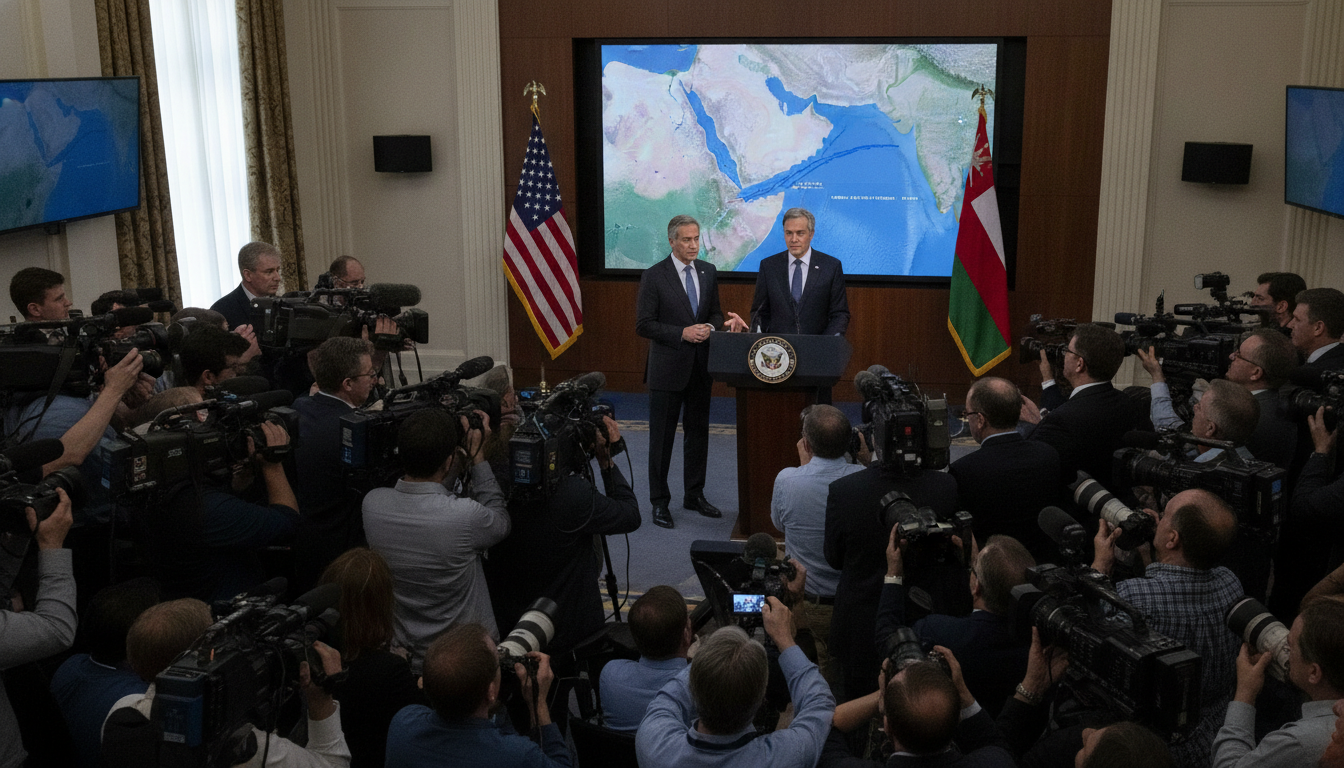
The United States said on Monday it expects the Strait of Hormuz to reopen without a new maritime “toll” following a U.S.-Iran framework that Washington says will end the immediate hostilities. U.S. Vice-President J.D. Vance told broadcasters that officials anticipate the route will be accessible without charges, while President Donald Trump said navigation is already resuming and that the passage will be completely open by Friday, June 19, 2026. The developments come amid a newly announced agreement between the United States and Iran that U.S. officials describe as a general, initial framework that leaves substantive technical issues for follow-up talks.
U.S. Officials Say No Toll Expected
Vance told CNBC and other outlets the United States expects Iran will not implement a fee for commercial transit through the Strait of Hormuz. He framed the absence of a toll as one of the security and commercial assurances the parties will address during technical negotiations this week. The White House and its representatives emphasized that the reopening should facilitate the free flow of oil and merchant shipping that relies on the strait.
Full Reopening Scheduled for June 19, 2026
President Trump said ships — including oil tankers — have begun leaving the strait and that full reopening is slated for Friday, June 19, 2026. U.S. statements indicate maritime traffic is already moving along routes Washington describes as secure, and officials expect that cadence to continue into the weekend. A drone image taken near Musandam, Oman, on June 15, 2026 captured increased vessel movement in the waterway in the days before the planned reopening.
Framework Agreement Signed Electronically; Ceremony Set for June 19
Senior U.S. officials said the short framework was signed electronically by President Trump, Vice-President Vance and Iran’s parliament speaker and lead negotiator, Mohammad Bagher Ghalibaf. The document was described by U.S. participants as roughly one and a half pages and intentionally general, designed to set a path for more detailed technical negotiations. A formal signing ceremony is expected to take place in Switzerland on Friday, June 19, 2026, where U.S. representatives including Vance, special envoy Steve Witkoff and Jared Kushner are slated to attend.
IAEA Inspectors to Assist with Highly Enriched Uranium Disposal
U.S. officials said the agreement provides for inspectors from the International Atomic Energy Agency to be authorized to travel to Iran to assist in arrangements to destroy the country’s stock of highly enriched uranium. Vice-President Vance described that commitment as written into the protocol and part of the verification measures the parties will implement. That provision will be among the technical subjects the negotiators plan to address in the coming days, according to U.S. statements.
Financing, Sanctions and Conditional Access to Investment
Officials estimated that as much as US$300 billion could become available for Iran’s reconstruction if Tehran meets its obligations under the framework, but they stressed the release of funds would be conditional on Iranian performance. Vance was insistent that no direct U.S. taxpayer dollars would be transferred to Iran, saying instead that the agreement would pave the way for other countries and private investors to provide capital if sanctions relief and reintegration follow verified compliance. U.S. authorities also said no sanctioned Iranian assets have yet been unfrozen under the initial framework and that the text of the agreement is expected to be released within 24 to 48 hours after the ceremony — meaning the public disclosure could occur between June 20 and June 21, 2026.
U.S. Military Presence to Be Maintained During Verification
A senior U.S. official cautioned that American forces will not withdraw immediately from the region, saying the military posture will remain in place while Washington monitors Iranian compliance with the framework. Officials signalled that the next phase will involve “real” technical discussions later this week to resolve outstanding issues, notably the contours of Iran’s nuclear programme. Vance and other administration figures portrayed the framework as a first step that defers the hardest questions to subsequent, more detailed negotiations.
The expected reopening of the Strait of Hormuz without a toll would remove a major impediment to global energy shipments and reduce immediate insurance and routing costs for commercial carriers. Observers will watch the June 19, 2026 ceremony and the forthcoming technical talks closely for concrete steps on verification, sanctions relief and the timeline for restoring full, unencumbered access to the waterway.
