
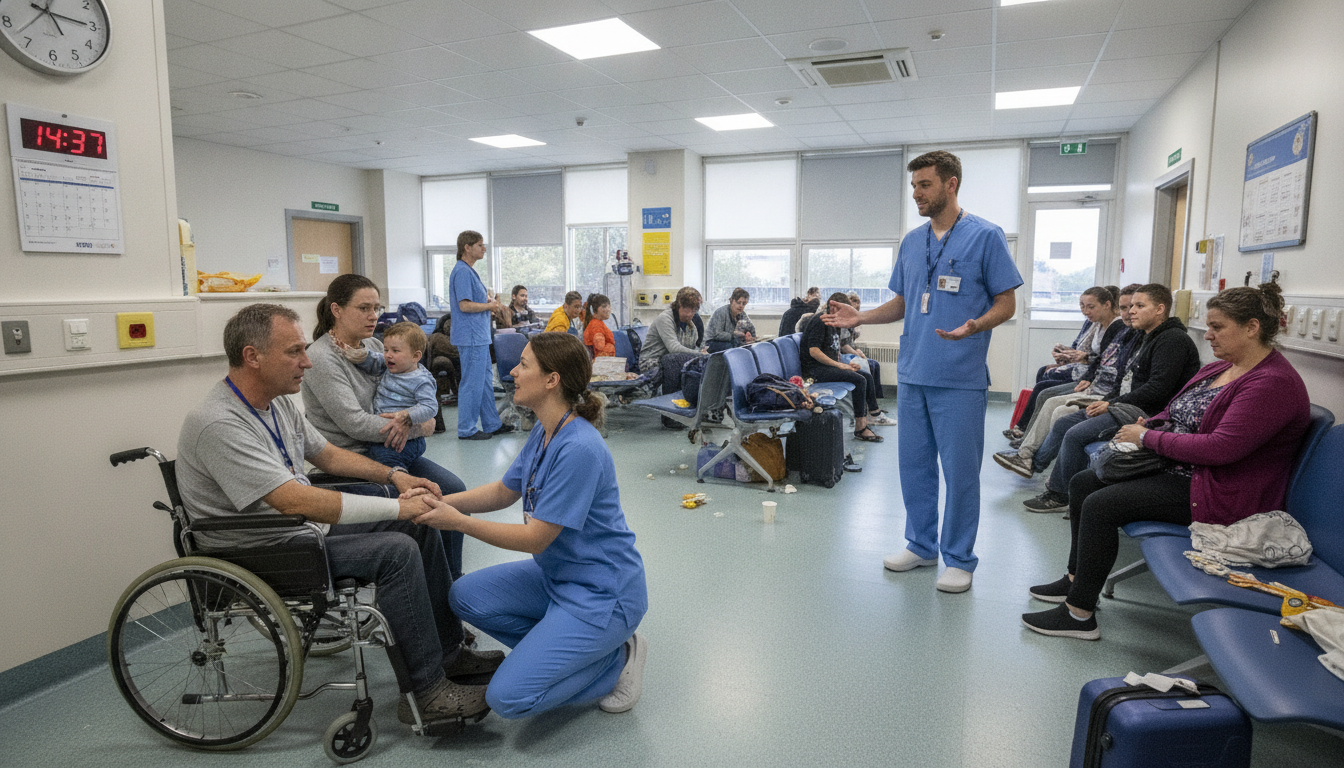
Health-care system praised for staff compassion but patients voice rising frustration
Patients report sympathy from staff but growing frustration with the health-care system’s delays and bureaucracy; advocates push for practical reforms nationwide now.
A growing number of patients and family members say the health-care system still offers compassion at the bedside, but concern is rising that kindness alone cannot make up for delays, gaps in care and mounting administrative barriers. Many describe frontline workers who offer encouraging words and practical help while acknowledging that systemic problems limit what they can do. The tension between individual compassion and institutional strain is shaping conversations across clinics, emergency departments and community care settings. Health advocates are urging policymakers to move beyond praise for staff and address the operational failures that leave patients waiting.
Frontline staff offer comfort but face limits
Health professionals frequently provide emotional support, information and small practical interventions while navigating heavy caseloads. Nurses, physicians and allied health workers commonly tell patients they understand their frustration and try to put processes in motion, even when resources are constrained.
Those gestures are meaningful to patients, who report that a calm voice or a clear explanation can reduce anxiety and restore a sense of dignity. At the same time, clinicians say they are often unable to resolve the systemic delays that cause repeat visits and unresolved problems.
Patients describe polite care with little follow-through
Several patients recount being reassured by staff only to encounter long waits for diagnostics, specialist referrals or home supports after discharge. These experiences leave many feeling that sympathy becomes a substitute for solutions when systems are understaffed or poorly coordinated.
Patient advocates say polite interaction is not equivalent to timely care, and that cumulative administrative obstacles — from referral backlogs to eligibility rules for community programs — contribute to a sense of helplessness. The result, they warn, is a cycle in which good bedside manners mask deeper service shortfalls.
Operational pressures are constraining responses
Health system managers and clinicians point to a set of operational pressures that are limiting their ability to act: rising demand, workforce shortages, complex IT and paperwork requirements, and funding models that leave little flexibility. These structural factors, they argue, create environments where staff must triage time between emotional support and complex care tasks.
Experts note that while compassion remains essential to patient experience, it cannot substitute for investments in staffing, streamlined processes and interoperable systems. When routine administrative tasks consume clinical time, the capacity to deliver timely diagnostics and follow-up care shrinks.
Waiting rooms and discharge realities expose gaps
Long emergency-room waits, delayed diagnostics, and slow specialist access are among the most commonly reported pain points. Many patients describe a pattern: receive reassurance during a visit, leave with instructions, then face weeks or months before definitive treatment or appropriate community support is in place.
Family physicians and community care teams say fragmentation between hospital, primary care and social services complicates transitions. Those gaps can lead to repeated visits and increased strain on emergency services, perpetuating the very delays that concerned patients first sought to avoid.
Advocates call for targeted, practical reforms
Patient groups and policy advocates are urging concrete measures to translate bedside compassion into measurable improvements. Recommendations include targeted recruitment and retention strategies, simplified referral pathways, expanded community-based supports, and administrative streamlining so clinical staff spend more time on direct care.
Advocates emphasize accountability and timelines, arguing that incremental gestures must be paired with clear benchmarks for reducing waits and improving continuity. They say public reporting and patient-centred planning can direct resources to the places where sympathetic care is frequent but system responses are weakest.
Practical steps clinics and patients are taking now
Some clinics are experimenting with low-cost changes designed to ease the strain: centralized referral coordinators, brief follow-up phone calls after discharge, and dedicated staff to navigate community supports. These interventions aim to convert a reassuring interaction into a tangible next step for patients.
Patients are also learning to navigate the system more proactively, using community health centres, virtual care options and local support organizations to bridge gaps. While these adaptations help individuals, advocates emphasize they are stopgaps without broader system reform.
The picture that emerges is one of skilled and compassionate health-care workers doing their best within a system that often prevents them from delivering consistent, timely care. Patients appreciate the empathy they encounter, but increasingly expect—and are demanding—practical changes that reduce waits and strengthen care pathways. Policymakers and health system leaders face pressure to match public gratitude for staff with investments and reforms that turn sympathetic words into reliable services.
