
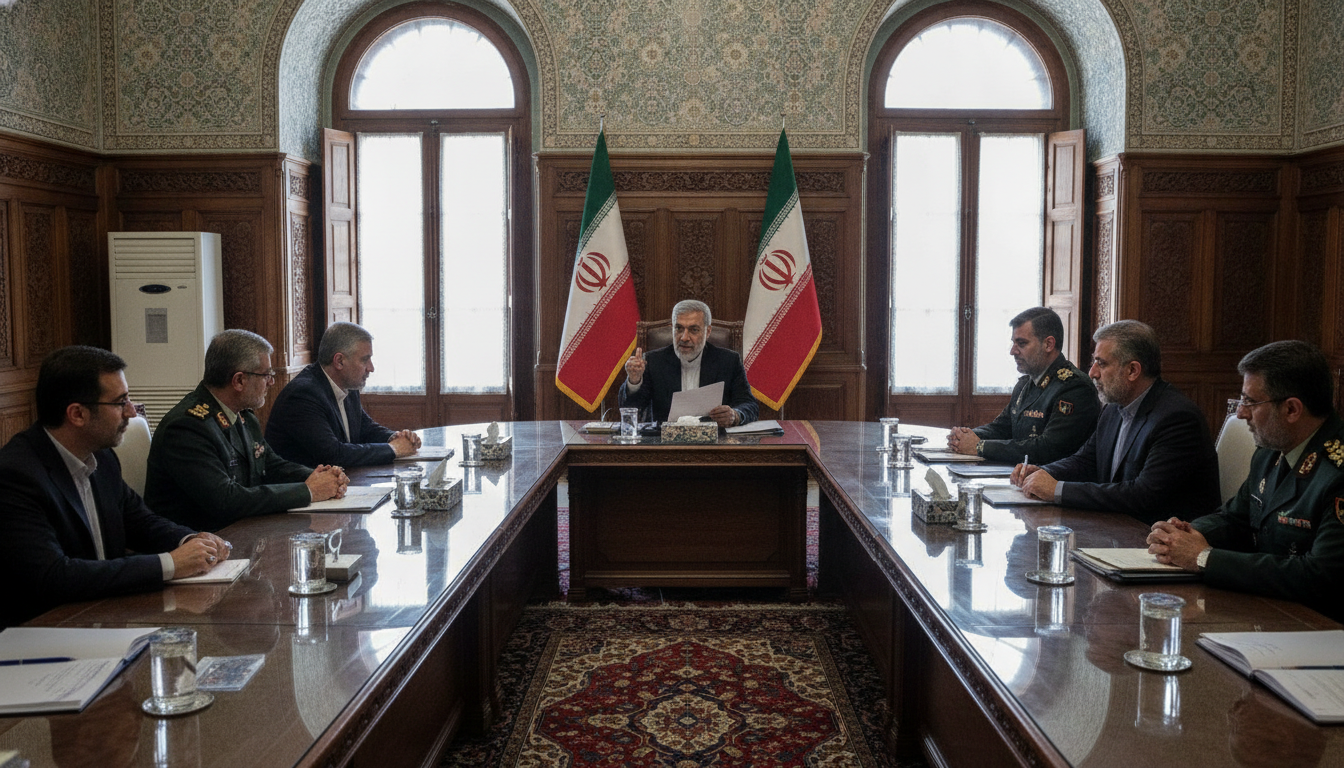
Iran’s new deterrence doctrine signals swift, severe retaliation aimed at denying US impunity
Trita Parsi told Al Jazeera that Iran has abandoned strategic patience in favour of a policy of swift severe retaliation to deny the United States the ability to strike with impunity, reshaping regional deterrence.
On June 10, 2026 Trita Parsi told Al Jazeera that Tehran now views immediate and overwhelming response as central to its security strategy. Iran’s new deterrence doctrine is framed as a move away from measured restraint toward rapid escalation designed to raise the cost of any US or allied military action. The claim marks a significant shift in Tehran’s publicly stated approach to deterrence and raises new questions for policymakers in Washington and regional capitals.
Parsi says Iran abandons strategic patience
Trita Parsi described the change as a doctrinal break from what he called strategic patience, a posture where Iran tolerated limited strikes and calibrated responses. He said the new approach prioritizes denying adversaries the perception of safe options for strikes against Iranian territory or interests.
Parsi emphasized that Tehran intends to signal it will respond immediately and forcefully to any perceived aggression, aiming to remove what Iranian leaders see as a window for impunity. According to his assessment, immediate escalation is designed to bolster deterrence through the credible threat of severe retaliation.
Core elements of the doctrine
Parsi outlined several central elements that he says underpin Iran’s new deterrence doctrine without detailing specific operational plans. The approach, he said, centers on speed of response coupled with severity of effect to create immediate consequences for any attack on Iranian soil or assets.
Analysts interpret those elements to include rapid mobilization of conventional and proxy forces, the targeting of logistics and bases that support US operations, and the potential use of asymmetric tools to disrupt military and economic activities. The strategy, if enacted, would be intended to make the costs of intervention clear before follow on strikes can be planned or executed.
Military posture and escalation risks
A doctrine that emphasizes immediate escalation carries inherent risks of miscalculation and rapid escalation between state actors. Rapid response policies can shorten decision cycles and increase the chance that a single incident spirals into broader conflict before diplomatic channels have time to respond.
Military planners in Washington and allied capitals will likely reassess force protection, basing, and convoy security in response to a declared posture that rewards swift retaliation. At the same time, the ambiguity that often surrounds Iranian command and control could complicate efforts to calibrate responses and avoid unintended confrontation.
Reactions in Washington and regional capitals
News of the doctrinal shift is expected to prompt concerns in the United States and among Iran’s neighbors about how to deter or limit escalation. US officials have previously warned that actions against American forces or partners will elicit a response, and a doctrine of immediate retaliation may harden those stances.
Regional governments will weigh diplomatic and defensive measures to manage the increased volatility, balancing calls for de-escalation with contingency planning. Gulf states and European partners are likely to press for rapid communication channels to prevent incidents from escalating and to seek assurances that military activity will not trigger wider conflict.
Implications for naval operations and trade routes
A doctrine focused on denying impunity could have particular implications for maritime security in the Gulf and the Strait of Hormuz. Disruptions to shipping lanes or attacks on vessels supporting military operations would rapidly raise the stakes for global trade and energy markets.
Commercial operators and naval patrols may increase precautions, reroute when feasible, and expand escorts for high value shipments. The economic ripple effects would extend beyond the region and could prompt multinational efforts to protect key sea lanes and maintain freedom of navigation.
Diplomatic avenues and risk reduction options
Even as strategic postures shift, diplomats and international organizations retain tools to reduce the risk of unintended escalation and preserve channels for dialogue. Confidence building measures such as hotlines, notification of exercises, and third party mediation can create space for de-escalation after incidents.
European and regional mediators have historically sought to convene dialogue to prevent localized conflicts from expanding, and similar efforts are likely to resume. The durability of any diplomatic measures will depend on clarity of command in Tehran and reciprocal steps by the United States and its partners.
The public statement attributed to Trita Parsi signals a potentially consequential change in Tehran’s security calculus that officials will be watching closely. If Iran follows through on a policy of immediate and severe retaliation the practical effects will be felt across military planning, commerce, and diplomacy, underscoring the urgency of measures to manage risk and preserve channels for restraint.
