
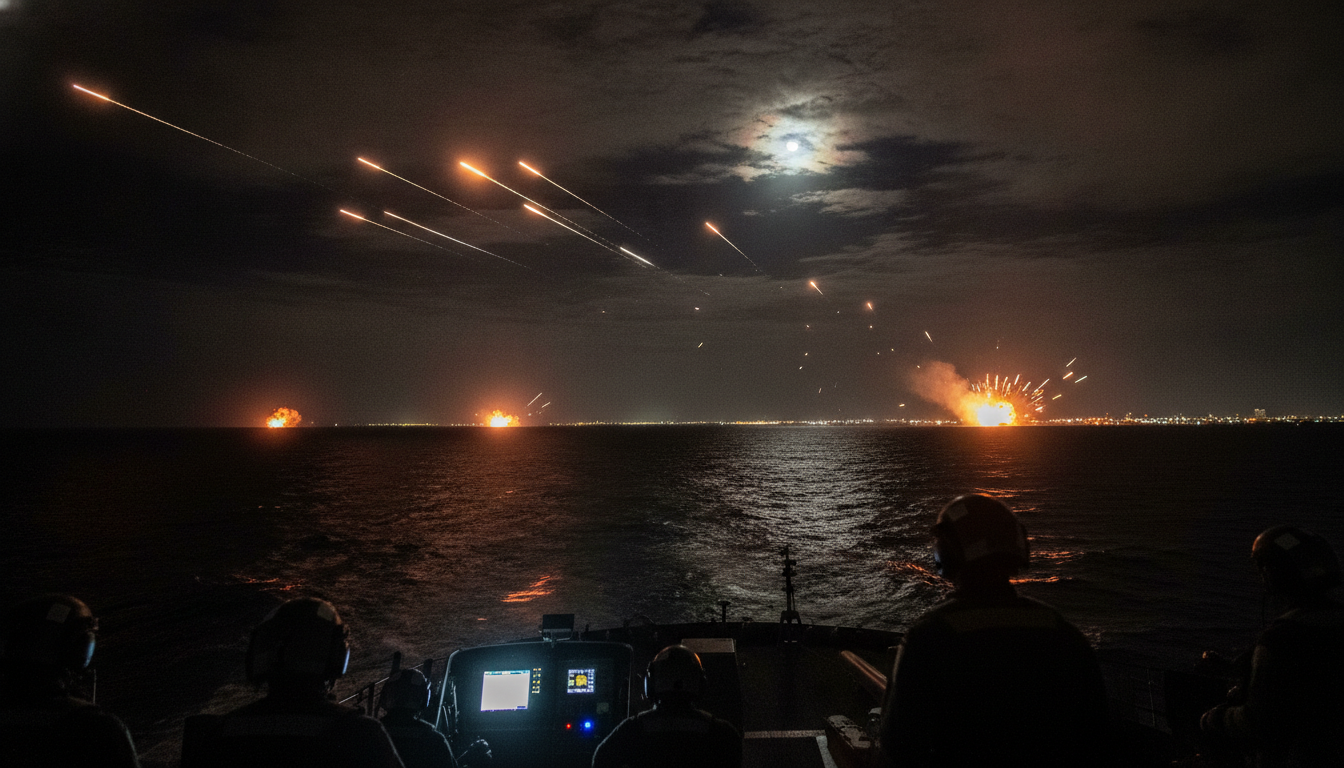
CENTCOM Launches US Strikes in Iran After Apache Downing
CENTCOM launched US strikes in Iran after an Apache helicopter was downed, targeting air defenses in Hormozgan; tensions rose as oil prices spiked and diplomacy stalled.
The United States Central Command said it had begun bombing sites in southern Iran on grounds of self-defence, marking a significant escalation in a region already shaken by weeks of intermittent attacks. US officials framed the action as a response to the downing of an Army Apache helicopter over the Strait of Hormuz, and described the operation as intended to degrade Iranian air-defence capabilities. The development constitutes one of the most direct American strikes against Iranian territory since the outbreak of the wider regional war earlier this year.
CENTCOM describes the operation as defensive
CENTCOM released a statement characterising the strikes as “defensive operations” carried out after what it called an unjustified Iranian attack on a US helicopter. US sources told international media the aim was to warn Tehran and to remove systems that had threatened American aircraft in the area. Pentagon officials said the strikes were limited in scope and intended to reduce immediate risks to US forces.
Sites hit in Hormozgan and the Strait of Ormuz region
Iranian state television reported explosions in Hormozgan province, while local agencies Tasnim and Mehr identified strikes near Sirik, Qeshm island, Minab, Djask port and the vicinity of Bandar-Abbas. External reporting indicated the targets included air-defence batteries and radar installations around the Strait of Hormuz, a chokepoint critical to global oil flows. Eyewitnesses and local broadcasters described flashes and detonations in multiple coastal areas, though independent verification of damage and casualties was not immediately available.
US officials call the strikes a warning and urge diplomacy
A senior US official, speaking to US networks, framed the operation as a calibrated warning intended to deter further Iranian attacks while preserving room for ongoing talks. Washington emphasised that the strikes were not meant to derail diplomatic efforts it said were still under way, even as presidential statements grew more forceful. Former and current US leaders had previously signalled a desire for a negotiated halt to hostilities, but the downing of the Apache shifted rhetoric toward retaliation.
Iranian leaders respond with strong rhetoric
Tehran’s top officials responded sharply to the US action, with senior negotiators warning that further aggression would provoke harsher responses. Iran’s parliamentary speaker and chief negotiator issued statements on social platforms stressing that diplomacy remains preferable but asserting Tehran’s readiness to escalate if attacked. State media recalled earlier incidents, including an attack on February 28 that killed more than a hundred schoolgirls in Minab, underscoring the scope of grievances informing Tehran’s posture.
Violence spreads across the Levant as tensions rise
The strikes came amid renewed exchanges between Israel and Iran-backed militias in Lebanon, where the southern city of Tyre has been repeatedly shelled. Israeli bombardments and Hezbollah counterattacks have left parts of Tyre largely deserted, and local officials reported civilian casualties and widespread displacements. Military sources in the region said hundreds of missiles and rockets had been fired in recent days, heightening fears of broader regional conflagration.
Oil markets and international reactions
Markets reacted quickly after the strikes, with crude prices jumping on concerns about supply through the Strait of Hormuz. Industry benchmarks briefly rose toward and above the low $90s per barrel as traders priced in heightened supply risk and potential disruption to tanker movements. Diplomatic capitals urged restraint, while regional mediators signalled renewed attempts to resume negotiations to prevent further escalation.
The strikes underscore the fragile balance between military pressure and diplomatic outreach in a conflict that has already produced months of cross-border attacks and a fragile ceasefire earlier in the spring. US officials say measures were targeted to reduce immediate threats to aircraft, but Tehran’s warnings suggest a sustained period of tit-for-tat responses could follow. International actors are watching closely for indications whether this episode will broaden into wider confrontations or push both sides back toward negotiated limits.
The region now faces a period of heightened uncertainty as military actions, political rhetoric and market reactions interact, leaving civilians in multiple countries at risk and diplomacy under strain.
