
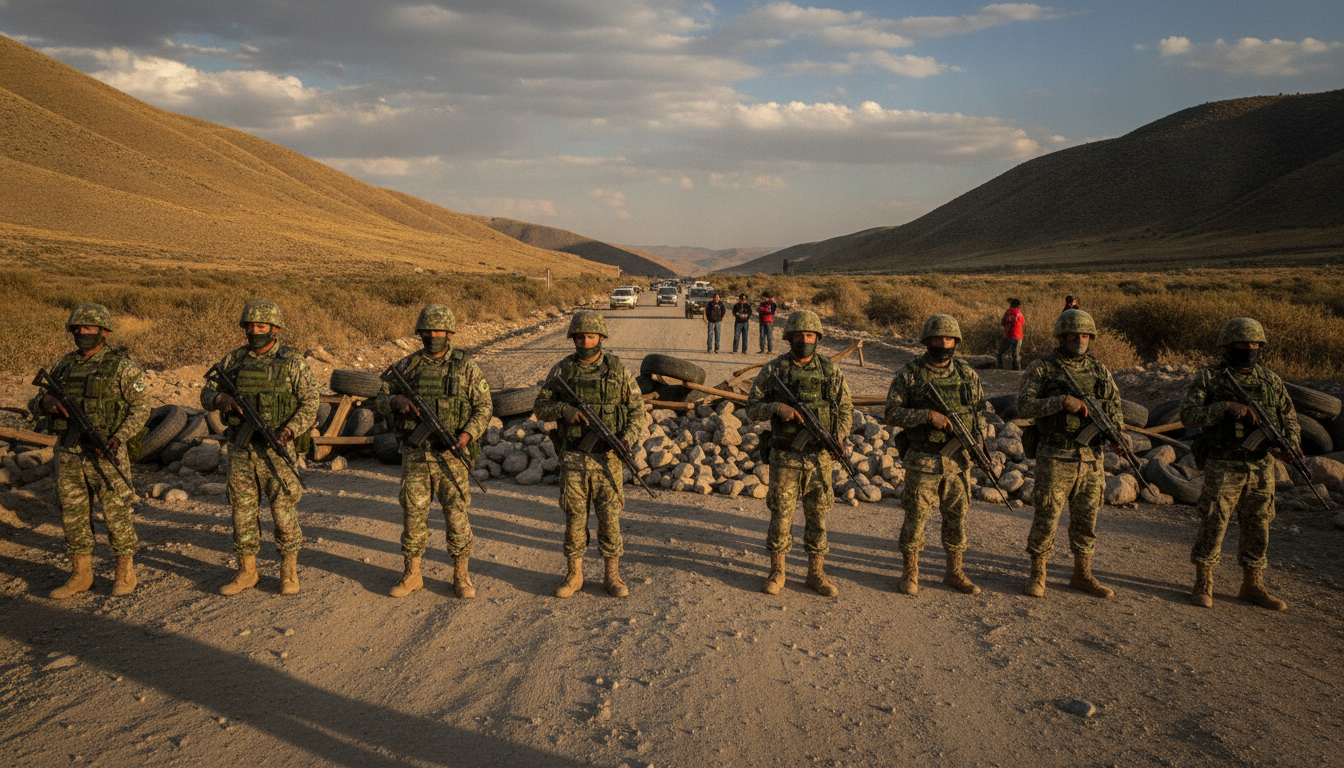
Bolivia law grants military power to clear roadblocks amid nationwide protests
Bolivia’s legislature approved on June 7, 2026 a law granting President Rodrigo Paz authority to use the military to clear roadblocks amid nationwide protests.
Bolivia’s Congress on Sunday passed legislation empowering the president to deploy the armed forces to remove roadblocks set up by antigovernment demonstrators, a move that reshapes how Bolivia military roadblocks can be confronted. The bill was adopted in the Chamber of Deputies after earlier approval in the Senate and is expected to be signed into law by President Rodrigo Paz. Lawmakers and officials characterized the measure as necessary to restore supply corridors, while critics warned it could broaden the military’s role in domestic policing. The new statute coincides with weeks of disruptive blockades that authorities say have produced shortages of food and medicine across large parts of the country.
Legislature approves new authority
The Chamber of Deputies voted to pass the bill late Sunday following an overnight debate that divided lawmakers across the political spectrum. Roberto Castro, who presided over the chamber, formally announced the passage as deputies moved to finalize the measure. Supporters argued the law fills a legal gap and gives security forces clear powers to reopen key highways and trade routes. Opponents said the vote risks escalating tensions by inviting military intervention in civil demonstrations.
Main provisions and legal protections for troops
Under the law, soldiers may be ordered to assist in clearing blockades and can act with authority to remove obstructions and secure transport routes. A notable provision grants troops a “presumption of legality” for actions taken during these operations, meaning their conduct will be considered lawful unless later disproven. The legislation also follows a repeal of a 2020 restriction that had limited military involvement in public-order operations, reversing earlier limits put in place after past unrest. Legal experts warn the presumption clause could complicate later investigations into abuses.
Extent of protests and impact on supplies
The demonstrations have been widespread, with unions representing farmers, miners and transport workers among the most visible organizers of blockades. Authorities estimate roughly 100 roadblocks have been established in recent weeks, affecting the flow of goods to regional markets and health centers. Local officials and humanitarian agencies report mounting disruptions to food distribution and medicine deliveries in isolated communities. These supply interruptions have added pressure on the government to find a rapid response.
Clashes in San Julián and security responses
Security forces have already used riot police and military vehicles in operations to try to clear obstructed roads, including a recent attempt in the town of San Julián. Video and witness accounts describe police deploying tear gas while demonstrators responded by burning tyres and throwing stones to halt advances. The interior ministry said operations aim to minimize harm while restoring traffic, but human rights groups criticized the use of force and called for proportional measures. The government says it will continue coordinated actions between police and the armed forces where necessary.
Political and economic drivers of unrest
Protesters point to rising inflation, stagnant wages and the government’s removal of fuel subsidies as principal grievances fueling the demonstrations. President Paz, a centre-right leader elected last year, has pursued pro-business policies and argued that subsidy reforms are necessary to stabilize public finances. Opposition groups contend the reforms have disproportionately affected rural and low-income households, increasing the political stakes of the current standoff. Analysts say the economic context has amplified social mobilization and complicated attempts at dialogue.
Regional alliances and international posture
Several regional partners and security-aligned groups have publicly signaled support for Paz’s government and its efforts to end the blockades, framing the disruptions as threats to basic supplies and order. Members of a regional security coalition backing the administration issued a statement expressing solidarity and underscoring the right of a government to protect supply lines. Humanitarian organizations and international rights monitors have urged restraint and called for accountability measures to accompany any expanded use of force. Diplomats say they are watching developments closely and urging a negotiated political solution.
Expectations are that President Paz will sign the bill in the coming days, after which implementation details and rules of engagement will be published by the defence and interior ministries. Legal challenges or parliamentary oversight may follow as civil society groups seek clarity on the presumption of legality and limits on military action. For now, the passage marks a significant shift in Bolivia’s approach to domestic unrest and places renewed emphasis on balancing security needs with protections for protesters and civilians.
