
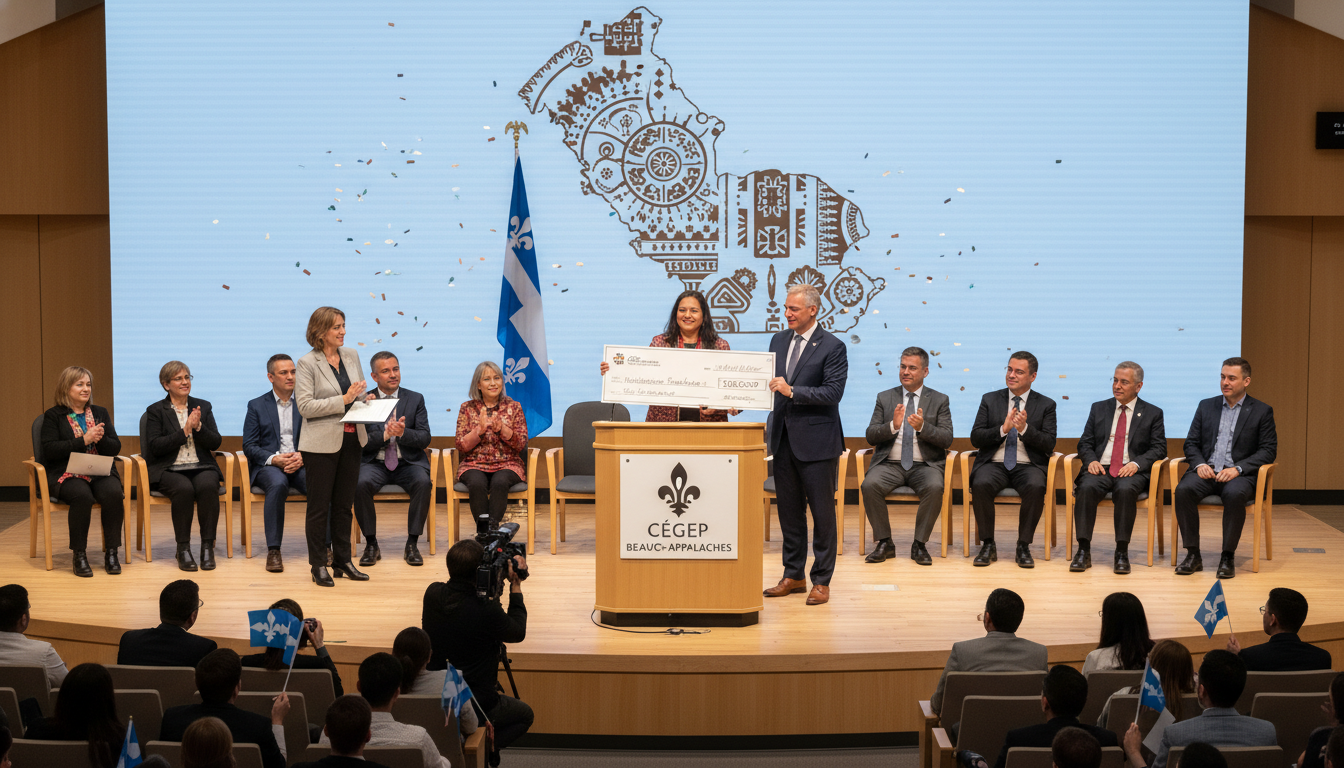
Reflections on First Nations Thought course to be adapted for cégeps and secondary schools across Quebec
Quebec funds expansion of Reflections on First Nations Thought course, creating Indigenous-authored modules and videos for cégeps and Quebec secondary schools.
The Reflections on First Nations Thought course developed at Cégep Beauce‑Appalaches since 2022 is set to be adapted and shared more widely across Quebec’s cégeps and secondary schools. The project, led by the course’s creator Etienne Gourde, received just over $150,000 from the provincial Ministry of Higher Education to develop Indigenous-authored modules and accompanying videos for classroom use. Organizers say the materials will be designed to be accessible and ready for teachers who currently lack Indigenous content in their curricula.
Project scope and initial materials
The work builds on four pedagogical video capsules released to coincide with the National Day for Truth and Reconciliation on September 30. Those early resources form the foundation for a larger package of content that will be refined and expanded under the new funding. Developers plan to create modules based on texts written by members of First Nations communities, each supported by a short video to provide context and classroom-ready teaching aids.
The ministry’s support aims to reach cégeps that do not yet offer Indigenous studies content, while making resources available voluntarily to any institution that wishes to integrate them. Officials emphasized the funding is intended to encourage sharing and access rather than imposing curricular requirements on teachers.
Circle of Consultation and Indigenous oversight
A Circle of Consultation composed of Indigenous scholars and educators will guide the project’s development to ensure cultural accuracy and respect. Members include Alex McComber, a Mohawk and associate professor in family medicine at McGill; François Bastien, a Wendat professor and associate dean at the University of Victoria; Jean‑François Létourneau, a literature teacher and writer; Etienne Gourde; and Médérik Sioui, a Wendat historian.
Project leaders said the circle will function as a compass for content choices, advising on how to present knowledge in ways that align with First Nations perspectives. The team intends to conduct interviews with elders and knowledge keepers and to consult widely so that modules reflect community values and lived experience.
Teaching approach and classroom integration
Developers are prioritizing materials that are “plug-and-play” for teachers who report difficulty finding reliable Indigenous content. The proposed modules will combine primary texts authored by Indigenous contributors with short video segments and pedagogical notes to help instructors introduce themes such as history, governance, health, art, literature, spirituality and economy.
Organizers acknowledge the project must bridge different ways of knowing, and they are mindful that Indigenous perspectives often resist rigid categorization. As a result, course designers expect to provide flexible lesson frameworks and suggested activities rather than prescriptive lesson plans, allowing teachers to adapt materials to their students and local contexts.
Challenges and safeguards
Project leaders call the initiative a work in progress and say questions remain about how teachers will appropriate the material and what supports they will need. One important tension is how to present themes without fragmenting Indigenous knowledge that is traditionally interconnected across domains.
To address these concerns, the Circle of Consultation will vet content and recommend culturally appropriate presentation formats. The team also plans community meetings this fall to gather feedback directly from Indigenous communities and to further align the resources with local expectations.
Local reception and institutional backing
Cégep Beauce‑Appalaches officials described the expansion as a source of pride and as a response to the region’s particular context. The college’s director of studies noted that proximity to Indigenous communities gives the institution a different perspective than cégeps in other regions of Quebec, and that the course aims to raise awareness among students who have limited contact with First Nations peoples.
Etienne Gourde’s approach has been credited locally for making the subject accessible to non‑specialist students, and the college hopes the resources will foster broader understanding among all students. The institution is also seeking additional partnerships to broaden the project’s reach and expects to host further events and lectures tied to the initiative.
Timeline and next steps
Developers aim to roll out the expanded modules progressively, with the goal of completing the project within two years. Community consultations are planned for the coming autumn, and the Circle of Consultation will oversee the production of interviews, videos and teaching guides during that period.
The ministry’s financial support covers development and sharing of materials to other cégeps that choose to adopt them, and project coordinators emphasize that adoption will remain voluntary for teachers. The team says it will monitor uptake and adjust materials based on classroom feedback and continued engagement with Indigenous partners.
The expanded Reflections on First Nations Thought course seeks to provide Quebec teachers and students with vetted, community‑guided resources that highlight Indigenous perspectives and support meaningful classroom conversations.
