
Officials Warn of Road Flooding Dangers as Even Small Depths Can Submerge Vehicles
Officials warn road flooding can stall vehicles and cause hydroplaning or drowning; even low water depths may close roads. Read safety tips and closure rules.
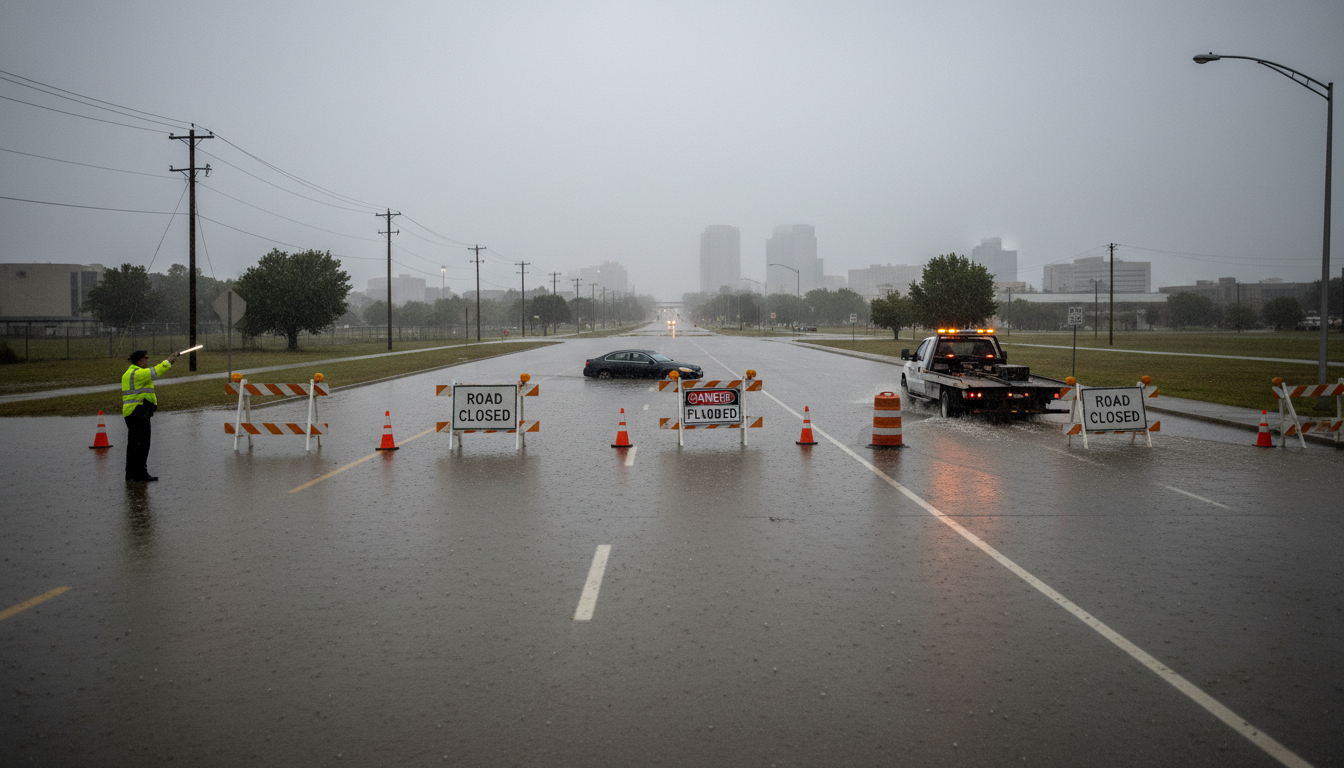
Officials outline when roads are closed for road flooding
Public safety officials say there is no single universal depth that defines a flooded road, but closures are typically ordered when water pools at low points, such as underpasses, to levels that could stall vehicles or cause them to lose traction. Road authorities use practical thresholds based on vehicle safety, visibility and the risk of hydroplaning rather than a uniform measurement. Drivers are being reminded that even short stretches of standing water can create conditions that meet those thresholds and justify barricades and detours.
Even shallow water can quickly become life-threatening
Transportation experts note that water depth that seems modest from the shoulder can rise rapidly in depressions and hidden ruts. Even a few feet of water beneath road grade may fully submerge smaller vehicles and create a significant drowning risk for occupants. Officials warn that motorists should never assume a roadway is passable based on appearance alone, because moving water and hidden currents can overturn or wash vehicles away.
Vehicle vulnerabilities and hydroplaning explained
Hydroplaning occurs when tires lose contact with the road surface and ride on a film of water, dramatically reducing steering and braking control. Wet brake performance, engine intake vulnerability and unseen obstacles such as washed-out pavement increase the danger long before a vehicle is fully submerged. Heavier vehicles are not immune; stalled trucks and SUVs can be swept off the roadway or pushed into deeper water if drivers attempt to proceed.
Clear guidance for motorists encountering floodwater
Authorities urge a straightforward rule: turn around, don’t drown. If drivers encounter standing or flowing water on the road, they should seek an alternate route and avoid low-lying crossings, underpasses and culverts where water collects. If a vehicle stalls, occupants should exit only if it is safe to do so and move to higher ground, calling emergency services for assistance rather than attempting to wade into moving water.
How municipalities assess and respond to flooded roads
Municipal and provincial road crews monitor known trouble spots during heavy rain and activate closure protocols when conditions deteriorate. Crews may deploy signage, barricades and traffic control, and coordinate with emergency services to prioritize rescues and clearances. Where needed, public works teams use pumps, sandbags and temporary diversions to reduce pooling and restore safe passage, while engineers inspect for structural damage before reopening routes.
Emergency services focus on prevention and timely rescue
First responders emphasize prevention and early warning as the best protection against flood-related fatalities. Dispatch centers track calls about stranded or swept-away vehicles and coordinate rescue operations while advising the public to treat closed roads as impassable. Authorities also remind residents that attempting to rescue others without specialized training is hazardous and often requires professional swift-water response teams.
Road flooding remains a persistent danger wherever heavy rain overwhelms drainage and creates low-point accumulation on roadways. Experts reiterate that apparent shallow water can conceal swift currents, washed-out pavement and other hazards that make driving unpredictable. Where closures are posted, they are based on assessments aimed at preventing vehicle stall, loss of control and life-threatening drownings.
Community communication and early alerts are central to reducing incidents during extreme weather. Transportation departments increasingly rely on social media, real-time traffic maps and roadside electronic signs to inform motorists of closures and safe detours. Residents are encouraged to subscribe to local emergency alerts and check official channels before travel in storm-prone periods.
Drivers can reduce risk by slowing for wet conditions, avoiding standing water, maintaining proper tire tread and ensuring brakes are in good condition. Motorists should plan routes that avoid known flood-prone corridors and be prepared to delay travel during intense rainfall. If forced to stop, keep hazard lights on, remain visible to other drivers and wait for help rather than attempting risky crossings.
Public safety officials caution that reopening a road does not always mean it is fully safe for all vehicle types. After water recedes, crews inspect surfaces for undermining, potholes and debris that could present new hazards. Road users should heed posted advisories about weight restrictions, single-lane controls or continued closures until authorities declare routes safe.
Authorities say the best defense against road flooding is a combination of preparedness, cautious driving and compliance with closure orders. By treating even modest water depths on the roadway as potentially dangerous, motorists help reduce the demand on emergency services and prevent fatalities. Officials ask drivers to prioritize safety over convenience and to report hazardous conditions to local authorities promptly.
As communities plan for wetter seasons, municipal and provincial agencies will continue refining where and when roads are closed for road flooding to protect drivers and first responders. In the meantime, motorists are urged to stay informed, exercise caution around standing and moving water, and remember that a seemingly small depth of water can produce catastrophic consequences.
