
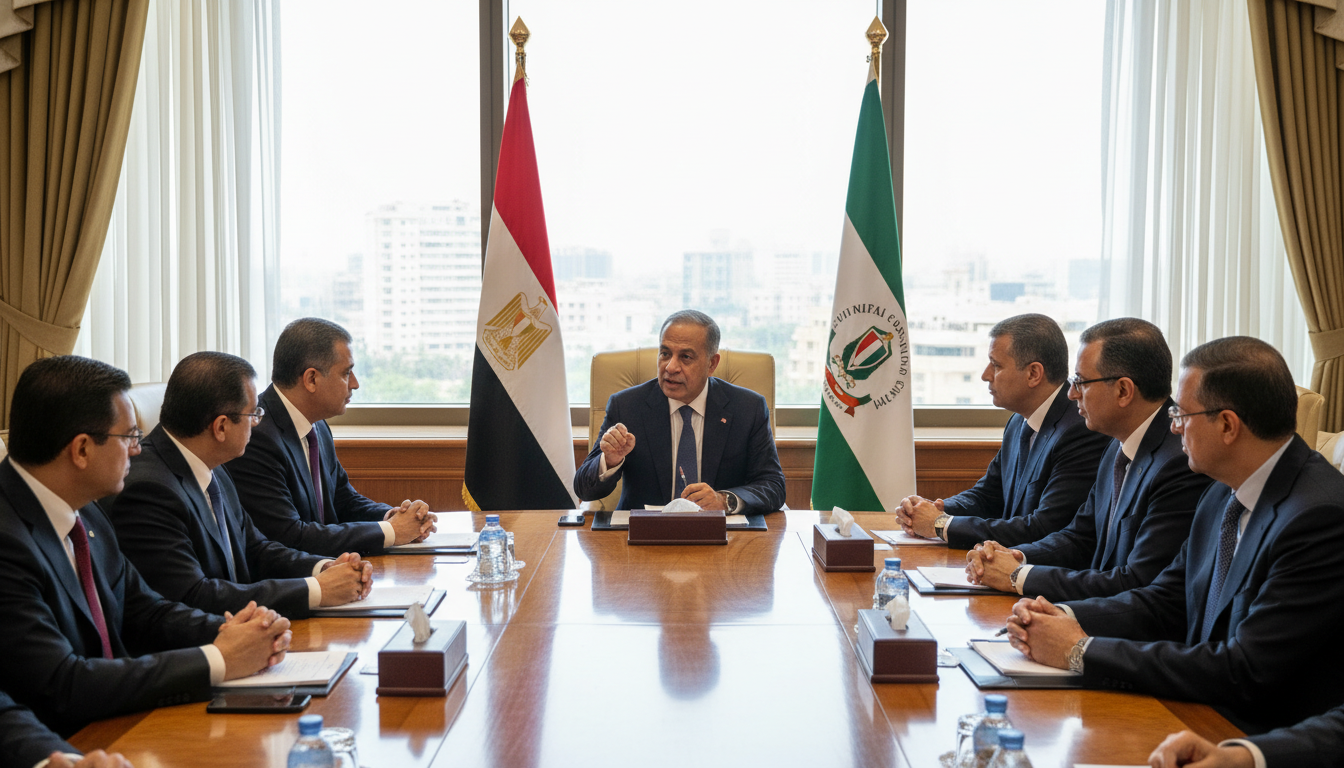
Egypt urges urgent diplomacy as Gaza ceasefire teeters amid Israeli expansion orders
Egypt urges urgent diplomacy to salvage the Gaza ceasefire as Israeli orders to expand control and proposals for Palestinian displacement threaten the truce.
Egypt has launched an emergency diplomatic push to rescue the Gaza ceasefire after a recent surge in Israeli military activity and public statements that risk undoing months of negotiations. Egyptian officials warned that efforts to expand Israeli control in the enclave and proposals for Palestinian migration would undermine the fragile truce. The diplomatic intervention, sources say, aims to bring parties back to the negotiating table before the situation spirals into full-scale renewed conflict.
Egypt launches emergency negotiations
An Egyptian intelligence official told Al Jazeera that Cairo has intensified contacts with both sides and with international mediators in recent days. The official said Egypt had invited a senior Hamas delegation, led by Khalil al-Hayya, for urgent talks in an effort to salvage the agreement. Diplomatic channels are reportedly working against a tight timetable to prevent a collapse of the ceasefire.
Hamas delegation expected in Cairo
A senior Hamas official based abroad confirmed receiving Egyptian communications aimed at containing the escalation and indicated a meeting in Cairo could take place within days. Hamas has publicly warned the truce is at risk because of what it describes as repeated Israeli violations. The group called on guarantor states and the United States to take immediate and serious steps to ensure Israel honours its commitments.
Israeli directive to expand control raises alarm
According to the reporting, Israeli Prime Minister Benjamin Netanyahu issued orders to expand the area under military control from 53 percent to 70 percent of Gaza, a move mediators say would breach the US-brokered peace framework signed in October 2025. Egyptian and other mediators argue such an expansion would fundamentally alter the parameters agreed to in the ceasefire addendum. Israeli officials have tied recent decisions to security and electoral considerations, a rationale that regional actors say risks broader destabilization.
Displacement proposals spark regional condemnation
Israeli Defence Minister Israel Katz reportedly revived a plan framed as “voluntary migration,” prompting alarm across the region and a formal rebuke from Cairo. Egyptian officials rejected any measures designed to push Gaza residents toward emigration or to direct Palestinians toward the Rafah crossing with Egypt. The prospect of pressured population movement has intensified diplomatic urgency, with neighbouring states warning against any actions that could amount to forced displacement.
Mediators coordinate with Qatar, Türkiye and US
Egypt has been coordinating closely with mediators in Qatar and Türkiye as well as with US officials to steer the process back to negotiations and to adjust the ceasefire addendum to reduce violence. The Egyptian source said Cairo had also contacted Washington to press for urgent restraint from Israeli leaders. Mediators are reportedly exploring revisions intended to de-escalate operations on the ground and to shore up implementation mechanisms for the truce.
Rising fatalities and targeted strikes complicate talks
The diplomatic push follows renewed Israeli strikes that have killed a significant number of Palestinians in recent weeks, with the reporting citing at least 141 deaths over the last two weeks. The source linked some of the strikes to the targeted killings of senior Hamas military figures, which have further strained the cessation of hostilities. While the ceasefire reached in October aimed to end two years of fighting that devastated Gaza, mediators warn that continued violence and provocative political moves risk unraveling the agreement.
International parties have been urged to use their influence to prevent further escalation and to ensure the ceasefire’s terms are respected. Egyptian diplomats emphasize that the window for negotiations is narrow and that military advances or demographic engineering could make a political solution impossible. The involvement of multiple external guarantors underscores both the regional stakes and the fragile balance that has kept direct large-scale conflict at bay since the October accord.
Ceasefire implementation remains contested on key points, including the scope of Israeli control, prisoner exchanges, reconstruction access and the movement of civilians. Mediators say clarifications and concrete implementation steps are needed to translate the October framework into a durable cessation of hostilities. Without quick, binding measures to address recent violations and inflammatory rhetoric, officials warn the situation could deteriorate rapidly.
Diplomatic sources stress that holding talks in Cairo would offer a last-chance opportunity to bridge gaps and to present a revised plan acceptable to guarantors and to the parties on the ground. Egyptian officials are believed to be seeking concrete commitments from Israel that would halt expansionary moves and from Hamas that would prevent retaliatory strikes. Observers say success will depend on coordination among Qatar, Türkiye, the United States and other guarantor states prepared to enforce the ceasefire terms.
Humanitarian and reconstruction needs in Gaza remain acute even as negotiators work to preserve the truce, with mediators pressing for urgent access and for measures to protect civilians. Aid agencies and regional governments have repeatedly warned that renewed large-scale hostilities would compound an already dire humanitarian crisis. The diplomatic race underway in Cairo is therefore being framed not only as a political necessity but as a humanitarian imperative.
Egypt’s intervention highlights the fragility of the current settlement and the narrow margin for error as regional and domestic political drivers collide with on-the-ground realities. Unless the parties and their backers can agree to immediate, verifiable steps to halt expansion and prevent forced movement, the ceasefire faces a real risk of collapse. The coming days will be crucial as diplomats attempt to translate urgent talks into a sustainable plan to keep Gaza from sliding back into all‑out war.
