
Podcasters’ Free Speech at Issue as Defence Seeks Dismissal, Citing Charter Violations
Craig Alcock argues Edmondstone’s claim lacks jurisdiction and infringes podcasters’ free speech and multiple Charter protections.
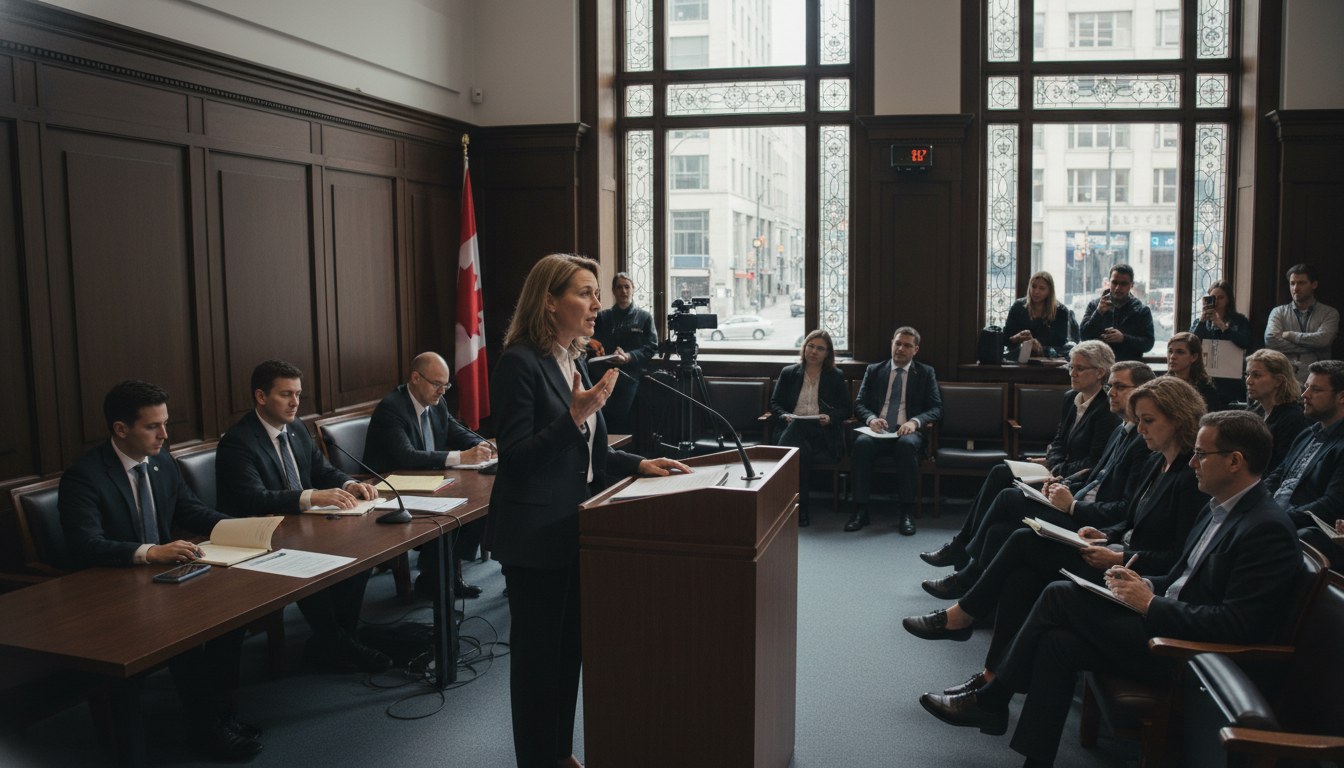
A lawyer for the podcasters, Craig Alcock, told the court that a claim brought by Edmondstone lacks proper jurisdiction and improperly interferes with podcasters’ free speech.
Alcock said the claim also runs afoul of Charter protections, including freedoms of speech, thought and opinion, protection against unreasonable search and seizure, and the presumption of innocence.
The submissions mark an early, robust defence aimed at removing the matter from the court’s reach while framing it as a constitutional issue.
Jurisdictional Challenge Raised by Defence
Alcock told the court the claim should be dismissed for lack of jurisdiction, arguing the forum is improper for resolving the dispute.
He said procedural and territorial questions undermine the plaintiff’s ability to proceed in the chosen venue.
That contention, if accepted, could end the case on technical grounds without addressing the substantive allegations.
Charter Arguments Cited in Defence Submissions
The defence framed its response around multiple Charter rights, asserting that the claim encroaches on protected expression and thought.
Alcock argued that placing legal constraints on the podcasters’ content would chill speech and interfere with opinions expressed in public commentary.
He also raised protections against unreasonable search and seizure and stressed the presumption of innocence as further grounds to resist the claim’s scope.
Scope of Edmondstone’s Claim and Defence Response
Filings indicate Edmondstone launched the claim against the podcasters, but the public record provided to the court-focused debate on jurisdiction and constitutional issues.
Alcock’s submissions emphasize that procedural shortcomings in the claim must be addressed before any factual or evidentiary disputes are considered.
The defence portrayed the action as an attempt to regulate or punish commentary rather than to resolve a straightforward legal dispute.
Implications for Digital Media and Podcasting
Legal observers say cases that test the limits of podcasters’ free speech can set precedents for online commentary and independent media.
If courts accept broad Charter defences in similar disputes, plaintiffs may face higher hurdles when seeking remedies against creators.
Conversely, a ruling against the podcasters could narrow protections and encourage more litigation targeting digital publishers.
Balance Between Rights and Remedies Highlighted
The submissions underline a recurring legal tension: ensuring access to remedies while protecting constitutional freedoms.
Alcock’s argument asks the court to weigh immediate legal remedies against potential long-term impacts on public discourse.
That balancing act is central to many modern cases involving online commentary, where civil processes and constitutional protections intersect.
The court will now consider the defence’s jurisdictional and Charter-based objections as the litigation proceeds.
Timing for further hearings or rulings has not been publicly disclosed in the filings available to reporters.
How the court addresses the intersection of procedural rules and constitutional rights will be closely watched by broadcasters, podcasters, and media law practitioners.
The case underscores the fragile line courts must navigate between adjudicating private disputes and safeguarding podcasters’ free speech in an increasingly digital public square.
