
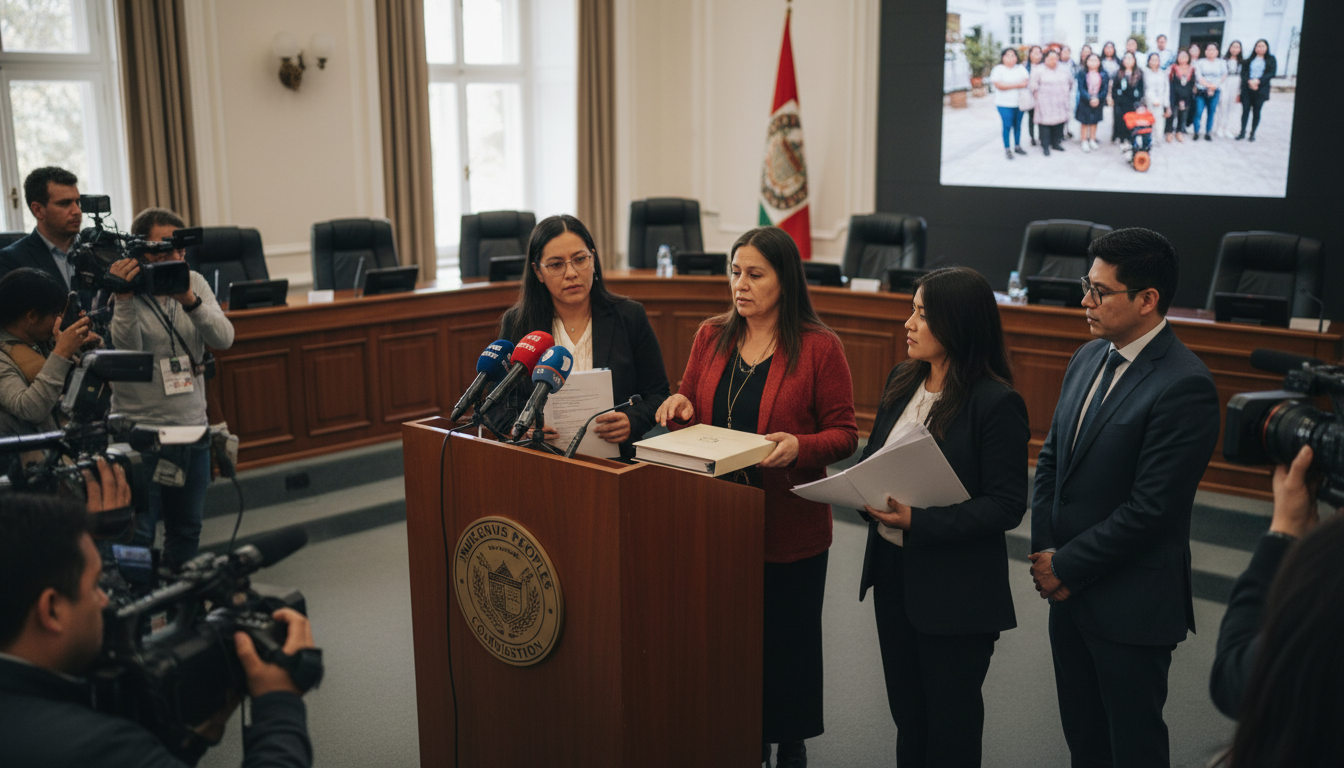
Report: 132 Indigenous women detail forced sterilization and obstetric abuse from 1956–2023
A new UQAT-led report documents 132 testimonies from Indigenous women alleging forced sterilization and obstetrical violence between 1956 and 2023, prompting legal action and calls for official apologies.
Summary of new findings
The research team led by Professor Suzy Basile at the Université du Québec en Abitibi-Témiscamingue collected 97 new testimonies that build on an earlier 2022 report, bringing the total to 132 accounts of obstetrical and gynecological violence. The report documents instances of forced sterilization, non‑consensual abortions and other coercive practices experienced by Innus, Atikamekw and other First Nations women. Among the newly recorded cases, researchers identified 55 instances described as forced sterilizations, while more than half of all participants since the project began—77 women—report having been sterilized without meaningful consent.
Examples of coercion and after‑the‑fact consent
Testimonies include multiple accounts in which women say they were asked to sign consent forms after procedures, or told to initial documents in a way that obscured the nature of the intervention. One participant recounted learning only years later that she could no longer become pregnant, and others described discovering the full extent of their surgeries only when later medical scans or clinicians revealed the missing reproductive organs. The pattern of delayed disclosure and inadequate communication is a central concern highlighted by the authors as evidence of systemic failures.
Range of experiences and time span
The incidents recorded in the report span nearly seven decades, from 1956 through 2023, and involve individuals who were between 15 and 40 years old at the time of the events described. Interviews with participants were conducted between 2023 and 2024, and the ages of those interviewed ranged from 19 to 90 years at the time of the study. The temporal and geographic breadth of the testimonies illustrates recurring practices rather than isolated incidents, say the researchers.
Beyond surgery: verbal, psychological and sexual violence
The report documents a spectrum of mistreatment in health settings that extends beyond surgical procedures. Women recounted verbal abuse, dismissive attitudes, and racist stereotyping, including statements by healthcare providers that assumed substance use or suicidal tendencies because of Indigenous identity. Participants also reported secret drug tests on newborns, misinterpretation of common birthmarks as signs of abuse, and coerced or pressured abortions described as presented as the only option for an allegedly low‑quality life for the child.
Legal responses and class actions
As testimonies have multiplied, legal efforts have followed in several provinces, including Alberta, British Columbia, Saskatchewan and Manitoba. In Quebec, more than 30 Atikamekw women from Manawan have come forward in a class action against the Centre intégré de santé et de services sociaux (CISSS) de Lanaudière and three physicians for sterilizations alleged to have taken place since 1980. Researchers say further participants declined to testify for personal reasons, indicating the true scope of grievances may be larger than the documented sample.
Policy proposals and criminal legislation
The research notes that the harms described have profound impacts on psychological and sexual health, intimate relationships and community trust in the healthcare system. In Ottawa, Senator Yvonne Boyer has introduced legislation that would criminalize forced and coerced sterilization; the bill has advanced to late stages in the House of Commons, according to the report. Researchers and advocates argue that legal prohibition, alongside reparations and systemic reform, are necessary to prevent recurrence and to provide redress for survivors.
Calls for recognition and official apologies
Professor Basile and her colleagues urge both the Quebec government and the federal government to formally acknowledge systemic discrimination in healthcare and to present official apologies to survivors. The report emphasizes that the harms are not merely individual medical errors but reflect a "modus operandi" in responses to Indigenous women’s reproductive health that is consistent across communities and regions. Recommendations include improved informed‑consent practices, culturally safe care, and independent review mechanisms to restore trust.
The report’s findings add to a growing body of evidence prompting public inquiries, litigation and policy debate about how health systems treat Indigenous patients. Survivors, advocates and researchers say the documentation strengthens calls for concrete reforms to ensure reproductive autonomy and culturally competent care for Indigenous women across Canada.
