
River Café Reinforces Calgary Reputation with Local Ingredients and Deep Sustainability Practices
River Café in Calgary champions Canadian and Albertan ingredients while pursuing ambitious sustainability measures at Prince’s Island Park.
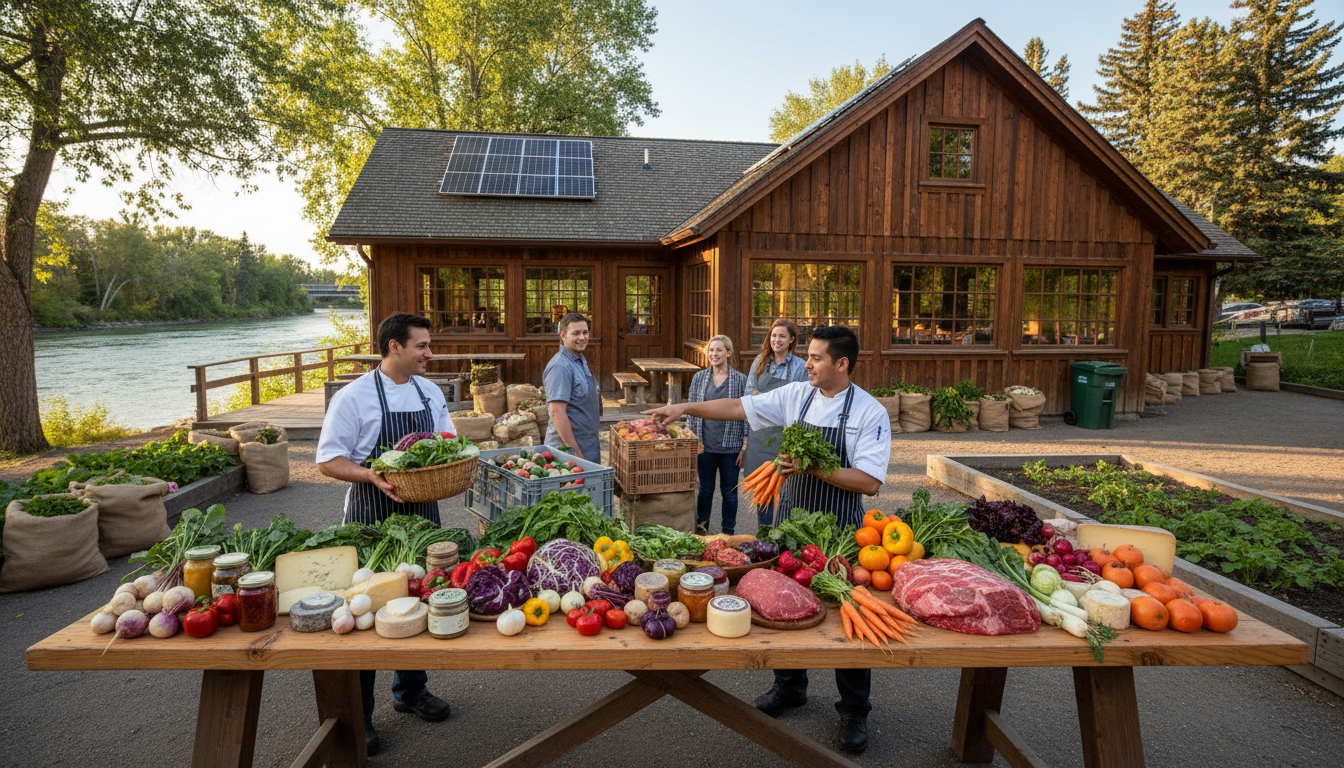
River Café in Calgary, listed at No. 42 on a recent local ranking, underlines its commitment to Canadian and Albertan ingredients alongside a suite of sustainability practices. The restaurant, located at 25 Prince’s Island Park, combines a riverside setting with a menu rooted in regional producers. Diners encounter a kitchen philosophy that prioritizes local sourcing, energy reduction and waste minimization.
Riverside setting and urban nature
River Café sits within Prince’s Island Park, offering diners direct access to the Bow River and surrounding green space. The location shapes the restaurant’s identity, providing a setting that emphasizes seasonal menus and an outdoor dining experience when weather permits.
The park location also supports a quieter, more contemplative dining atmosphere distinct from Calgary’s downtown core. Proximity to walking paths and river views reinforces the restaurant’s appeal to both residents and visitors seeking a nature-oriented meal.
Local and Albertan ingredients at the core
The menu at River Café is built around Canadian and Albertan ingredients, with chefs sourcing produce, meats and dairy from regional farmers. This focus on locality aims to highlight seasonal availability and to shorten the supply chain between producer and plate.
By emphasizing provincial products, the restaurant supports local agricultural businesses and showcases Alberta’s culinary resources. Dishes change to reflect harvest cycles, creating a menu that evolves throughout the year and encourages repeat visits.
Operational sustainability measures implemented
River Café has taken a number of operational steps to reduce its environmental footprint, beginning with the elimination of bottled water in service. The decision reduces single-use plastics and encourages alternatives like filtered tap water for guests.
Energy and water conservation are also priorities, with the restaurant taking measures to lower consumption in both the kitchen and dining areas. These operational adjustments are intended to reduce long-term resource use while maintaining service standards.
Waste reduction, reuse and composting
The restaurant practices recycling, composting and material reuse as part of its waste-management strategy. Organic waste is diverted from landfill through on-site composting or partnership with local composting programs, cutting methane emissions and returning nutrients to soil.
Material reuse extends beyond food waste to include the selection of serviceware and supplies that can be repaired or repurposed. This approach supports a circular mindset and reduces the frequency of single-use purchases.
Sourcing ethics and supplier relationships
River Café’s supplier choices emphasize transparency and traceability, with kitchen staff and management cultivating relationships with Alberta producers. These partnerships allow chefs to plan menus around reliable seasonal yields while supporting fair practices.
Working closely with suppliers also enables the restaurant to adapt quickly when certain ingredients are scarce, ensuring menu continuity and reducing food waste. The emphasis on traceable sourcing helps sustain producers and reassures diners about origin and quality.
Public reception and place in Calgary dining scene
The restaurant’s ranking at No. 42 on the Calgary list reflects both its culinary reputation and its sustainability profile. River Café has become part of Calgary’s broader movement toward restaurants that marry local sourcing with environmental stewardship.
Patrons often cite the combination of setting, service and ingredient provenance as reasons to visit, while critics note the menu’s responsiveness to seasonality. The café’s location in Prince’s Island Park gives it a distinct niche compared with urban fine-dining venues.
River Café’s holistic approach—combining a riverside environment, regional ingredients and a range of sustainability practices—positions it as a notable example of how restaurants can integrate culinary quality with environmental responsibility. Its address at 25 Prince’s Island Park is a clear signal that the dining experience is meant to be enjoyed in close connection with Calgary’s natural landscape.
