
Judge orders Centurion Project to remove public electors list after Elections Alberta injunction
Edmonton judge orders Centurion Project to remove public electors list after Elections Alberta injunction; group must disclose who accessed it within 4 days.
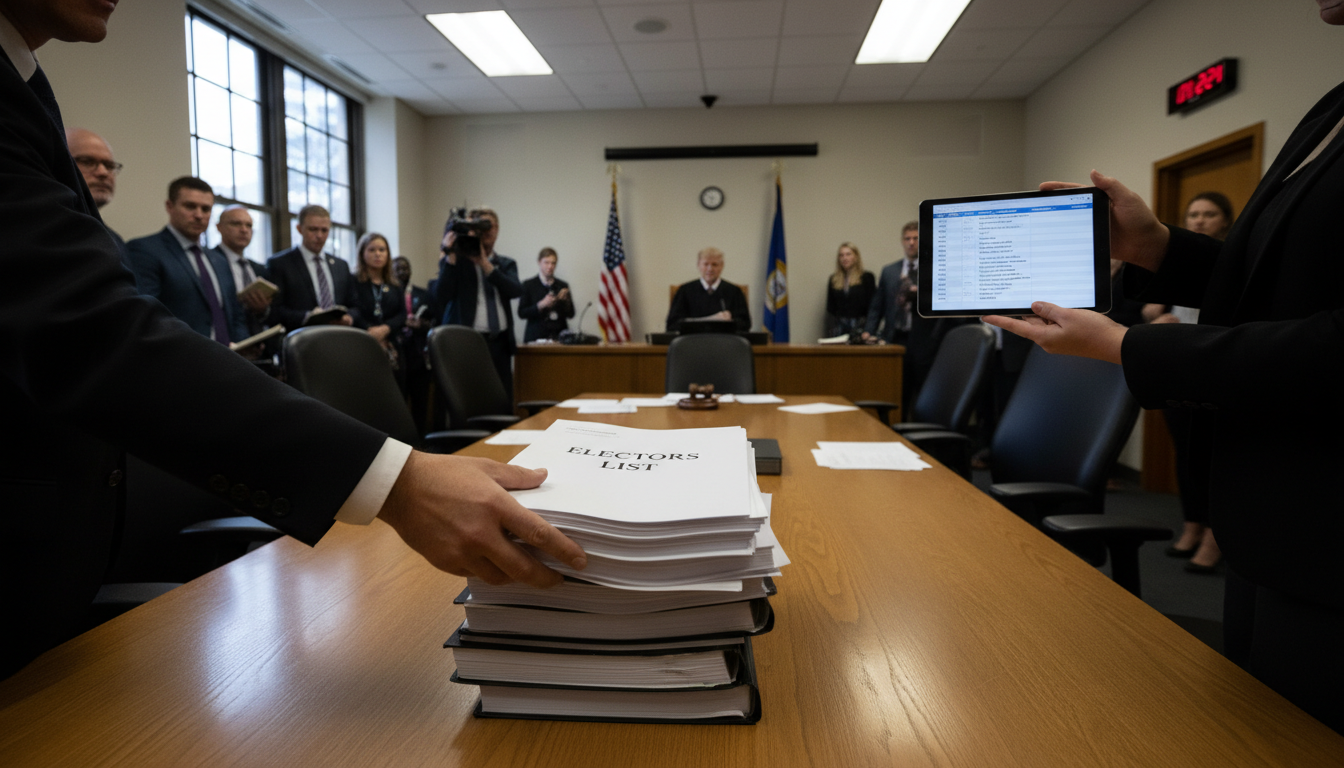
An Edmonton judge has granted Elections Alberta’s injunction ordering the Centurion Project to remove a publicly available list of electors from its website, citing concerns over the exposure of personal information. The order requires the group to take down the list immediately and to identify those who were given access or copied the material. Elections Alberta says the list contains personal data of Albertans who are registered and eligible to vote in the provincial election. The court gave the Centurion Project a four-day deadline to provide contact information for individuals and entities who obtained the list to the chief electoral officer.
Court grants injunction and mandates immediate removal
The injunction was delivered in an Edmonton courtroom and directed the Centurion Project to pull the voter list from public view without delay. The ruling underscores the court’s view that continued public dissemination of the list posed an unacceptable risk to the privacy of electors. The Centurion Project has been ordered not only to remove the list but also to preserve evidence about how the list was shared and accessed. Court documents set a tight timeline for compliance and information disclosure to Elections Alberta.
Four-day deadline to disclose recipients and contacts
The judge’s order requires the Centurion Project to identify anyone who was provided a copy of the list, permitted access to it, or otherwise had interaction with the material. That information, including contact details, must be delivered to the chief electoral officer within four days of the ruling. The narrow timeframe is intended to allow Elections Alberta to assess the scope of dissemination and to notify affected electors if necessary. Failure to meet the deadline could expose the group to further court action, including potential findings of contempt.
Privacy risks tied to the electors list
The list in question contains personal information of registered voters, which privacy advocates say can be sensitive and exposing if widely distributed. Such data can include names, addresses and other details that, in aggregate, enable unwanted contact or targeted campaigns. Privacy experts caution that even seemingly routine voter information can be exploited for harassment, identity theft or misinformation efforts. The injunction reflects growing scrutiny over how voter data is collected, stored and shared in an era of heightened digital vulnerability.
Elections Alberta’s response and statutory role
Elections Alberta sought the injunction as the statutory body charged with administering provincial elections and safeguarding the integrity of the voter registry. The agency argued in court that public dissemination of the list risked violating privacy protections and undermining public confidence in the electoral process. By securing the order, Elections Alberta aims to contain further spread of the material and to trace any distribution path. The chief electoral officer will use the required disclosures to determine whether additional steps, including elector notification, are warranted.
Potential legal and administrative consequences
Legal experts say the immediate remedy ordered by the judge is consistent with emergency injunctive relief designed to prevent irreparable harm. If the Centurion Project does not comply fully and on time, the court could impose sanctions or escalate enforcement measures. Beyond courtroom remedies, Elections Alberta may consider administrative responses focused on restoring protections for electors and reviewing how the voter registry is safeguarded. The incident is likely to prompt renewed debate over access to electoral records and the balance between transparency and privacy.
Public reaction and concerns among voters
The disclosure has prompted concern among some Albertans who worry their registration details were exposed without consent. Voter advocacy groups and ordinary citizens have expressed unease about the potential for misuse of personal data and the implications for participation in the democratic process. Officials say the chief electoral officer will assess whether affected electors should be notified and what protective steps could be recommended. The injunction aims to limit additional dissemination while authorities evaluate the impact.
The injunction and its disclosure requirements mark a significant intervention by courts and Elections Alberta to halt public access to a list of electors and to map its distribution. The coming days will determine whether the Centurion Project complies with the court’s timeline and what follow-up measures Elections Alberta and other authorities will pursue to protect voter privacy.
