
Tesla hardware upgrades required for “true” Full Self‑Driving, Musk says
Tesla hardware upgrades could be needed for millions of cars to run a future unsupervised Full Self‑Driving, raising cost and logistical questions.
Elon Musk’s admission that millions of Tesla vehicles will require hardware upgrades to run a future version of its Full Self‑Driving (FSD) software crystallized a major risk facing the automaker after its latest earnings report. The disclosure came alongside results that largely matched analyst expectations and a $1.4 billion free cash flow surprise that briefly lifted the stock. Investors are now parsing what Tesla hardware upgrades will mean for owners, balance sheets and regulatory scrutiny.
Earnings backdrop and Musk’s announcement
Tesla’s recent quarter produced free cash flow that exceeded some analysts’ forecasts, but Chief Executive Officer Elon Musk used the earnings call to disclose a significant technical caveat for FSD’s roadmap. He acknowledged that an advanced, truly unsupervised version of FSD will not run on many existing vehicles without retrofitted components. That statement reframed a routine earnings update into a broader conversation about product support and long‑term cost for both the company and consumers.
The company has also signaled plans for substantial capital spending this year, increasing its outlook for capex as it funds new factories, software development and now potential vehicle retrofits. The need to upgrade hardware at scale changes the financial calculus, adding a physical, labor‑intensive line item to what had been largely software‑focused ambitions. Analysts and owners are seeking clarity on timing, pricing and how Tesla will operationalize such an upgrade program.
Which vehicles could be affected
Tesla’s comments targeted cars equipped with its so‑called Hardware 3 suite, the compute and sensing package the automaker installed in many vehicles between 2019 and 2023. Owners of those vehicles have long sought a definitive answer from Tesla about whether future FSD features would be compatible without further investment. If millions of Hardware 3 vehicles cannot support the next iteration of autonomy, a significant installed base may face either optional or mandatory retrofit work.
The scale of the challenge depends on how many owners opt into an upgrade and whether Tesla chooses to subsidize or charge for the work. That decision will be consequential for resale values, owner satisfaction and the company’s reputation for post‑sale software upgrades. For consumers who bought into Tesla’s promise of continuous improvement, the prospect of paying for new hardware could be a bitter pill.
Logistics of upgrading millions of cars
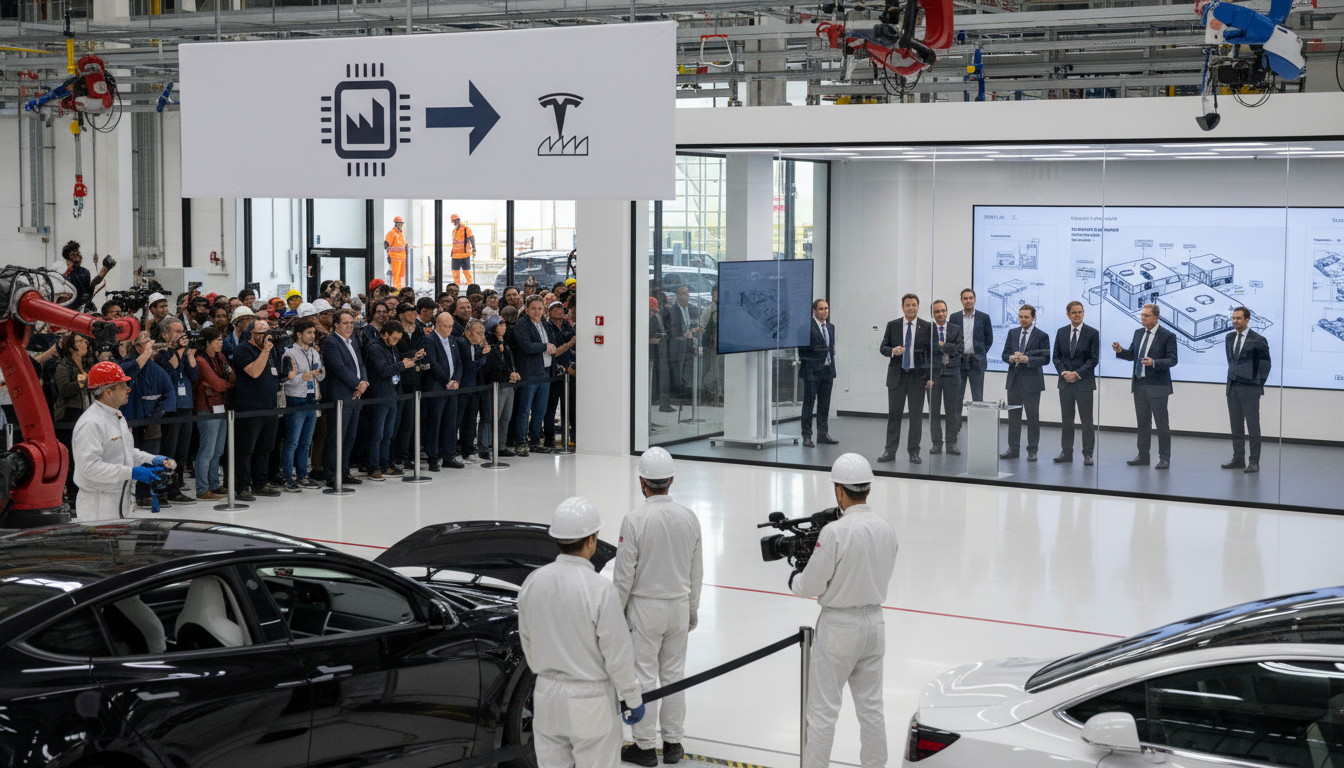
Musk said Tesla would likely need to perform physical upgrades to affected vehicles, a process that cannot be completed remotely. Executing millions of retrofits would require new service capacity, trained technicians and distribution of parts, prompting discussion of small, localized assembly or service centers — sometimes described by Tesla executives as “microfactories.” Building that infrastructure in multiple metropolitan areas would be costly and time consuming.
Operationally, installing compute modules, sensors or new wiring at scale raises inventory, warranty and scheduling questions. Tesla will have to balance throughput and quality control while minimizing customer disruption. Any misstep could trigger consumer complaints, regulatory attention and potential legal exposure related to product representations or implied warranties.
Legal and consumer implications
The upgrade requirement carries potential legal consequences because many owners purchased vehicles with public statements implying long‑term feature improvements through software. Consumer‑protection regulators and plaintiffs’ lawyers may scrutinize whether Tesla adequately disclosed hardware limitations at the point of sale. Class actions or regulatory inquiries could hinge on marketing claims and the clarity of communications about hardware compatibility.
Beyond litigation risk, the situation may influence how automakers describe software features tied to hardware platforms going forward. Competitors and industry groups will watch whether Tesla offers free upgrades, paid retrofit programs, or deferred releases of advanced autonomy to avoid broad hardware rollouts. The precedent set here could shape expectations for future software‑defined vehicle features across the industry.
Parallel moves in mobility and funding
The disclosure about Tesla hardware upgrades arrives amid a flurry of activity in the mobility and transportation sectors. Redwood Materials, the battery‑recycling and materials firm founded by a former Tesla executive, announced a restructuring that included layoffs affecting roughly 10 percent of its workforce. The move underscores pressure on battery supply‑chain startups to sharpen focus as they scale into energy storage markets.
Separately, a San Francisco autonomous‑hauler startup launched from stealth with a $24 million seed round led by a strategic investor, signaling continued investor appetite for freight autonomy. At the same time, ride‑hailing firm Lyft accelerated its European push by acquiring a London operation that will bring a broad base of black cab drivers onto its platform. These deals reflect divergent strategies across the mobility ecosystem as companies balance capital needs and commercial expansion.
Other industry developments to watch
Funding rounds and strategic shifts continued across the sector, from airport autonomy firms raising financing in Canada to logistics electrification startups securing capital in Europe. Aircraft autonomy developers announced significant new investments, while some SPAC deals stalled amid market volatility. Automotive manufacturers are also reshaping portfolios, with established luxury brands adjusting EV lineups and ownership stakes in joint ventures changing hands.
Notable operational updates included a resumption of production for a major electric vehicle after weather‑damage repairs and early reports about next‑generation in‑car software integrations performing more reliably. Taken together, these items illustrate an industry simultaneously advancing on software and hardware fronts, even as the cost and complexity of those pieces become clearer.
The coming months will test Tesla’s ability to define and execute a retrofit strategy that satisfies owners, protects margins and withstands regulatory scrutiny.
