
Jonathan Bettez civil trial set for Sept–Dec 2028 in Montreal
Jonathan Bettez civil trial vs. Sûreté du Québec set Sept–Dec 2028 in Montreal; family seeks $10M alleging police smear in Cédrika Provencher legal probe.
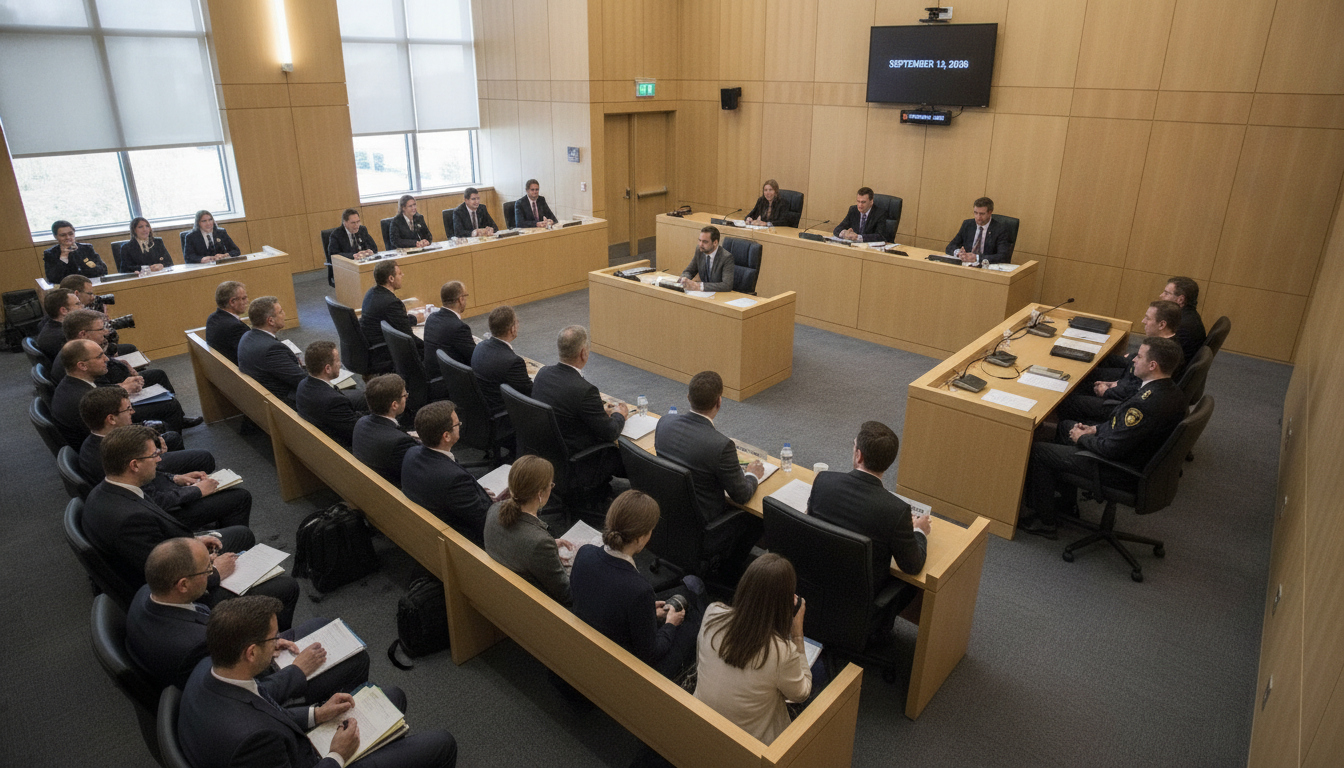
The civil trial launched by Jonathan Bettez against the Sûreté du Québec is scheduled to run from September through December 2028 in Montreal. The family’s claim, which names the SQ, individual investigators and the Quebec Attorney General, seeks $10 million for what it alleges was a deliberate campaign to damage Bettez’s reputation. The case will be heard roughly nine years after the original lawsuit was filed and follows a decade of criminal and civil proceedings tied to the Cédrika Provencher investigation.
Court schedules four-month hearing window
A provincial court judge set aside a four-month block for the trial after a July hearing, with 43 days earmarked to hear evidence. The extended schedule reflects the volume of material counsel say will be presented and the number of witnesses both sides intend to call. Proceedings will take place in Montreal and are expected to draw sustained public and media attention given the case’s high profile.
Family seeks $10 million in damages
Bettez and his relatives are pursuing $10 million from the Sûreté du Québec, the officers who led the original probe and the Office of the Attorney General of Quebec. Their civil suit alleges that investigators engaged in conduct designed to convince the public that Bettez might have been a pedophile and a murderer. The claim frames the suit as redress for reputational harm, emotional distress and the long-term consequences of those allegations.
Judge’s earlier ruling criticized police methods
The path to a civil trial opened after a judge in the earlier criminal proceedings, Justice Jacques Lacoursière, delivered sharp criticism of the investigative work by SQ officers. Lacoursière likened parts of the police inquiry to a “fishing expedition” and found investigators had sought information from Facebook without prior judicial authorization. That censure played a central role in allowing the civil action to proceed and remains a focal point of the family’s claim.
Evidence volume and witness list detailed
Counsel on both sides have signalled that thousands of documents will be entered into evidence during the trial, and a large roster of witnesses is expected to testify. The Attorney General has filed a witness list dominated by police officers, investigators and digital analysts, while the plaintiffs plan to call experts and people with direct knowledge of investigative steps. Court time will be tightly managed across the 43 days allocated to ensure examination-in-chief, cross-examination and document admission can proceed without significant delay.
Jonathan Bettez prepares to speak publicly for first time
Jonathan Bettez, 46 and originally from Trois-Rivières, has not previously spoken publicly about the allegations and the subsequent legal battles. His lawyer, Jessy Héroux, said the family is eager for the public to hear the material uncovered during pre-trial procedures and that those disclosures, he contends, will demonstrate Bettez’s innocence. Héroux added that his client is prepared to testify, answer questions and present a full account of the events and of actions the family says were taken by the SQ to tarnish his reputation.
Case history: acquittal followed by civil filing
The civil suit was filed about a year after Bettez’s acquittal on criminal charges of possession, distribution and accessing child pornography in October 2018. That acquittal concluded the criminal dimension but, according to the plaintiffs, left unanswered questions about investigative conduct and public statements linked to the broader Cédrika Provencher inquiry. The family’s claim, advanced in 2019, seeks accountability for investigative choices and public messaging they say unfairly suggested Bettez’s culpability.
The upcoming trial will test competing narratives about investigative technique, evidence handling and the line between vigorous policing and improper conduct. Observers say the case could have ramifications for police powers around digital evidence and for how law enforcement agencies communicate about suspects in high-profile investigations. The court’s timetable means a decisive public airing of disputed materials and witness testimony will arrive in the fall of 2028 when the proceedings open in Montreal.
